Food
Regional cuisines, street snacks, dining etiquette, and flavors worth planning around.
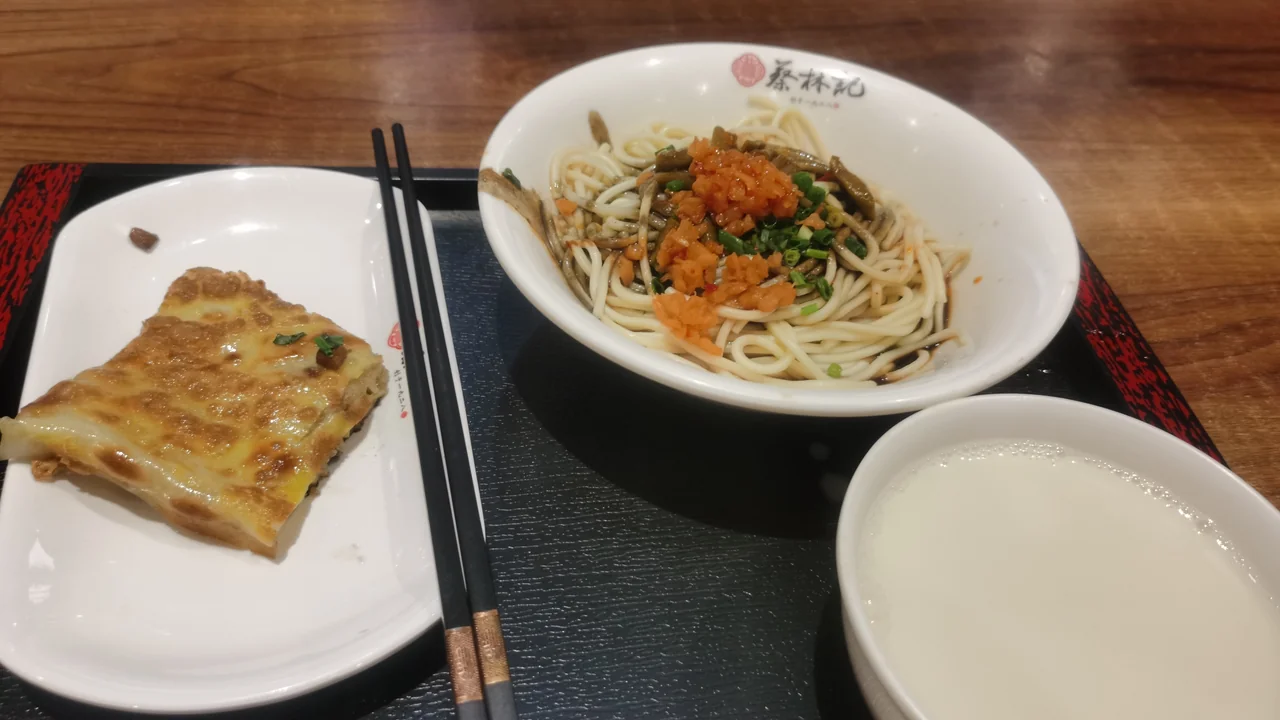
Hot Dry Noodles and Wuhan Breakfast: Where and When Without Fake Hours
Wuhan 过早 centers on hot dry noodles with sesame paste — Hubu Alley and Liangdao Street as Wuchang anchors, early-to-mid morning window, no invented stall clocks.
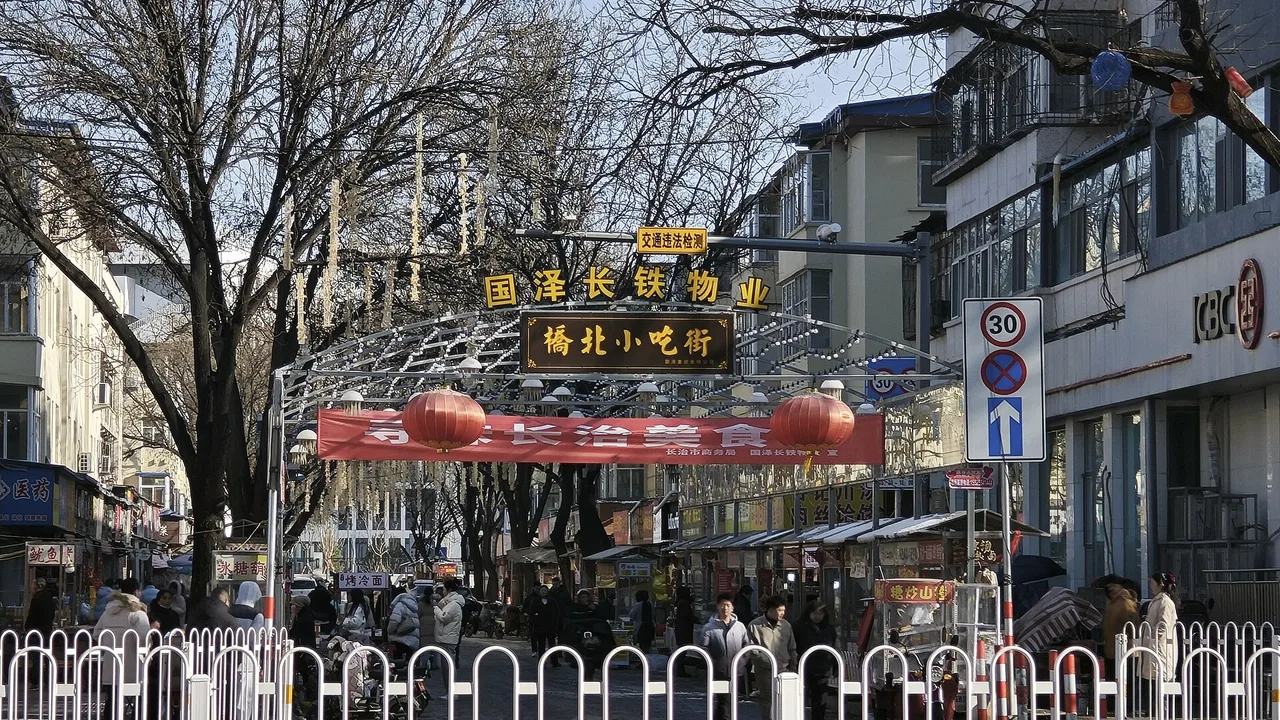
Donkey in a Pancake, Noodles on the Griddle: What to Eat in Changzhi
Changzhi's signature foods are Lucheng donkey-meat shuaibing, Zhangzi fried flatbread and Huguan mutton soup with a baked bun; order by name and point, and do not expect Western menus outside hotels.
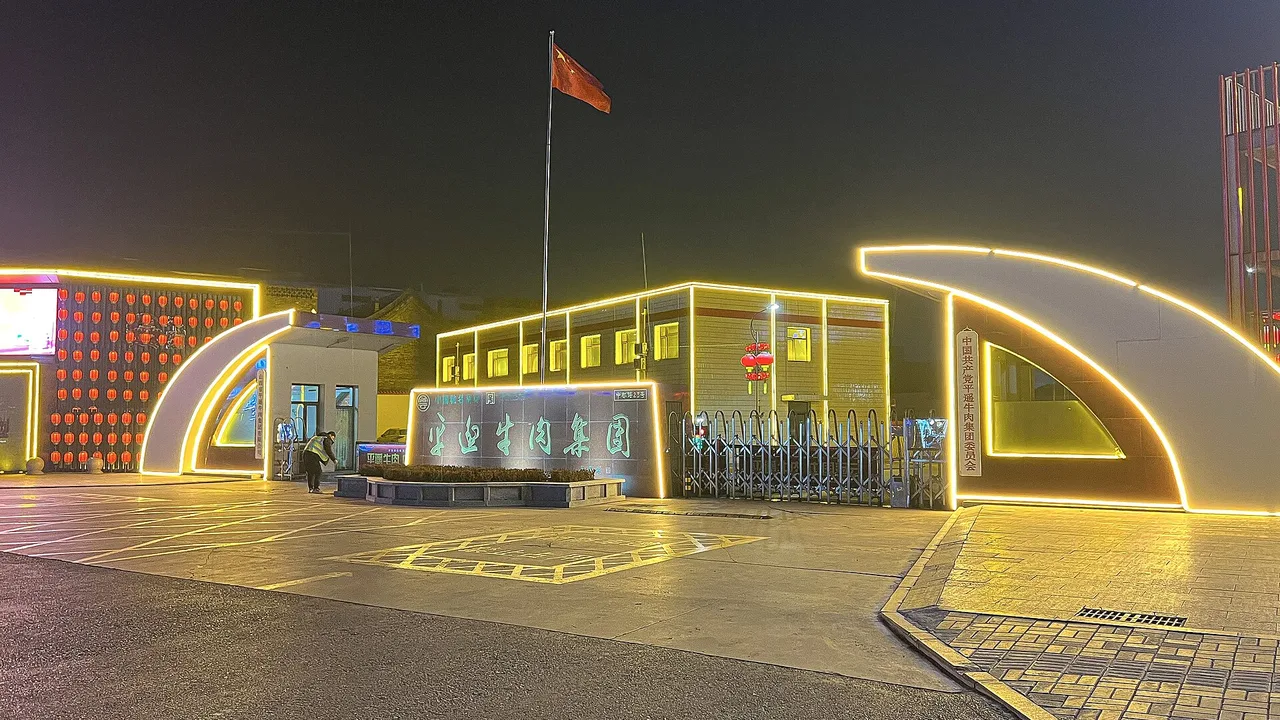
Slice, Jelly, Honeycomb: What to Eat in Pingyao and How to Order It
Order Pingyao beef by the plate cold and sliced, wantuo buckwheat jelly cold or fried, kaolaolao oat rolls with a dipping sauce, and a charcoal nuanguo hot pot if you are a group — eat a lane off South Street and confirm prices on the board.
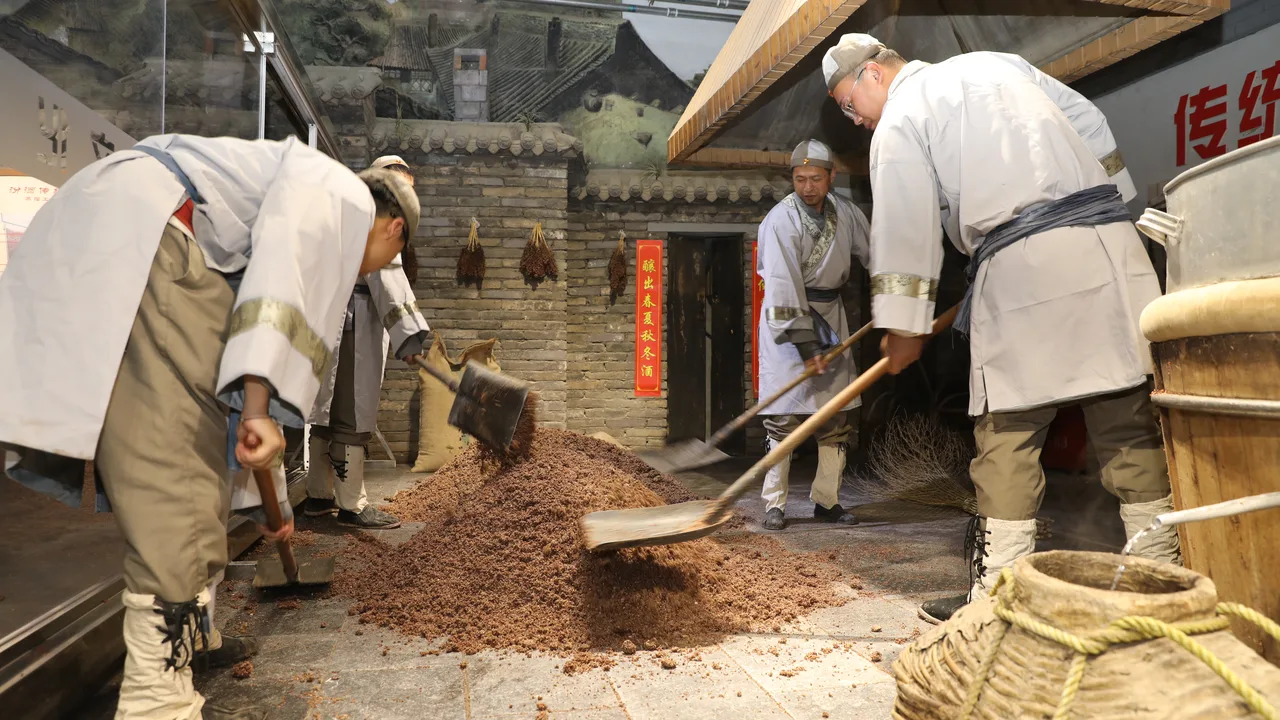
Museum, Cellars, One Tasting: Is the Fenjiu Distillery at Xinghua Village Worth a Stop?
The Fenjiu Culture Scenic Area at Xinghuacun, about 15 km from Fenyang, is a working distillery tour — museum, fermentation halls, old cellars and a tasting — for a 42-yuan ticket; budget two to three hours and do not drive afterwards.
Knife-Cut, Pinched and Poured On: Eating Noodles and Vinegar in Taiyuan
In Taiyuan, eat knife-cut noodles, tijian and cat's-ear noodles with a splash of mature vinegar, try guoyourou, and, in cold months, the early-morning soup called tounao; Qingxu county to the south is the heart of Shanxi vinegar.
Mutton Soup and Torn Flatbread: What to Eat in Yuncheng
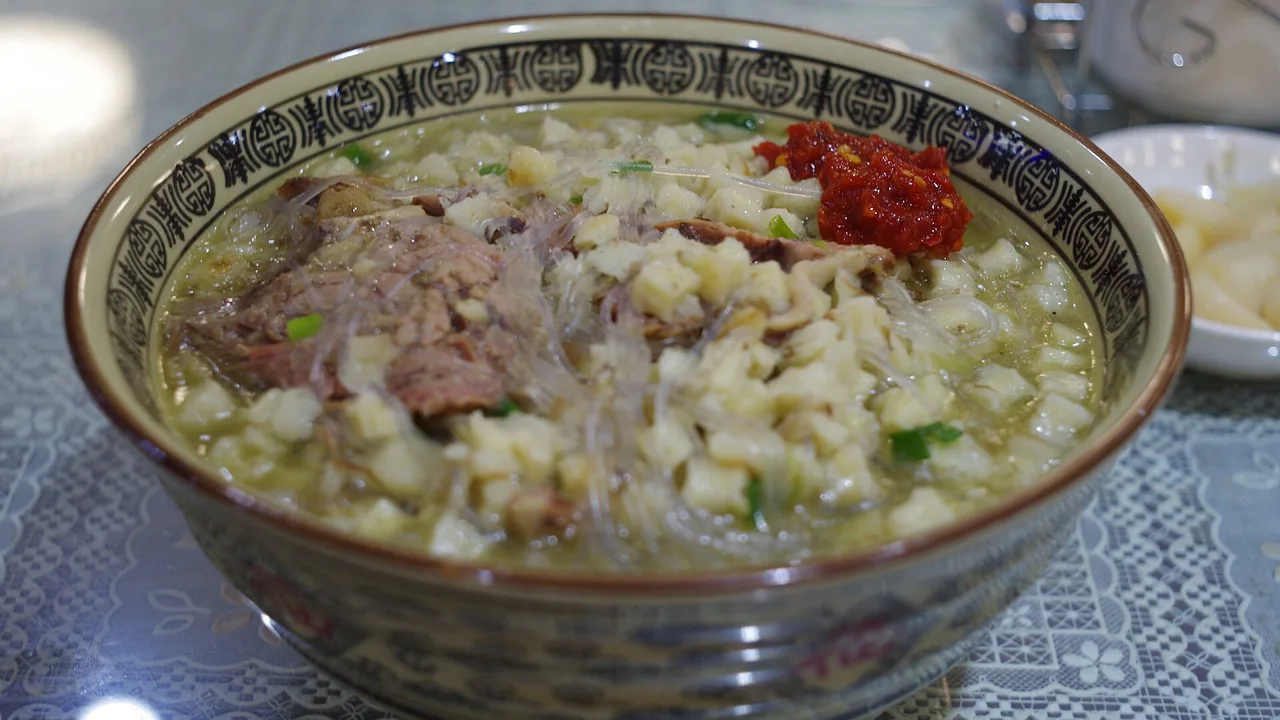
Yuncheng's signature is Xiezhou-style mutton paomo — a milky broth with mutton, glass noodles and chilli oil, eaten with flatbread; add Wenxi zhubing to take away, plus pulled noodles and Wanrong steamed dishes.
Watch the Shave: Ordering Datong Knife-Cut Noodles Like a Local
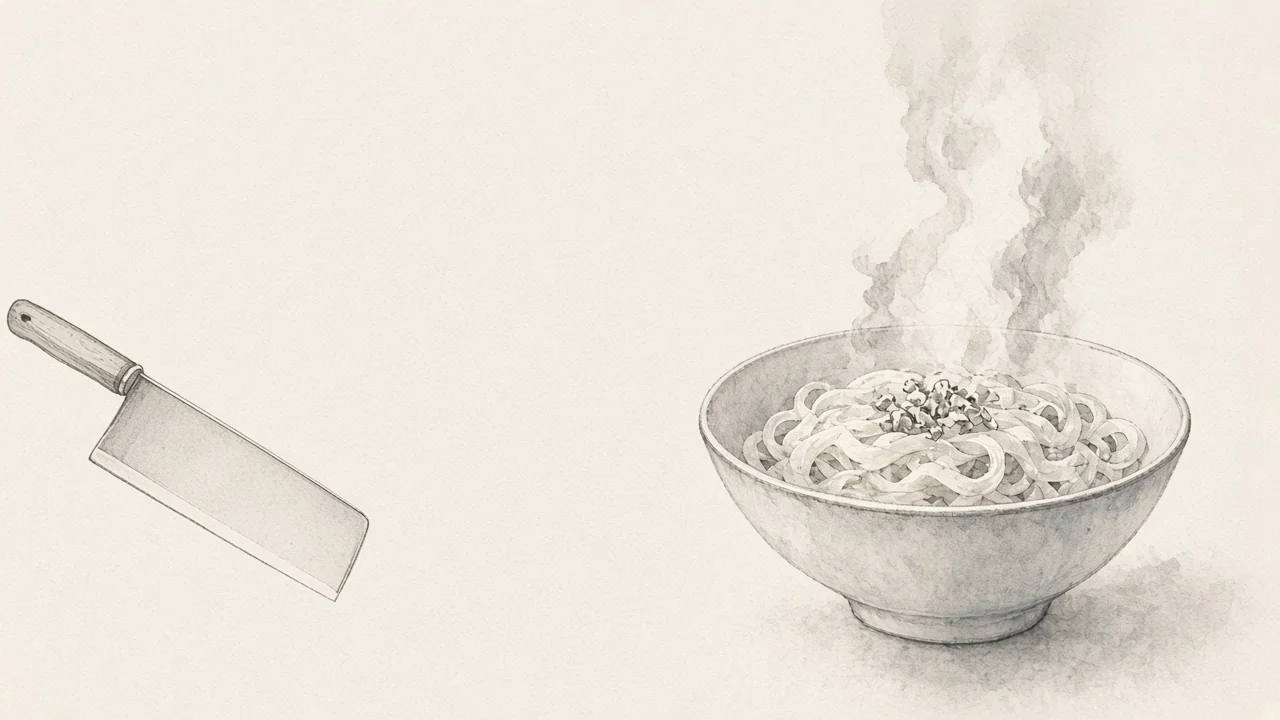
Order Datong knife-cut noodles by watching the shave, naming broth and topping, then judging ribbon chew — old-city / wall–temple area anchors, soft meal windows, no invented shop closing minutes.

Texture First: What One Huaiyang Dinner in Yangzhou Should Deliver
One Huaiyang dinner in Yangzhou should deliver knife-work texture and clear-broth clarity — Wensi tofu silk and a hand-cut lion’s head — not a fried-rice checklist or restaurant ranking.

Three Plates First: How to Order Yangzhou Morning Tea
Order Yangzhou morning tea as scalded dry tofu, san ding bao, then jade shaomai — an early tea-house path, not a restaurant ranking or fried-rice myth.

Dock Catch, Not Beach Menu: Is Lüsi Seafood Port Worth the Trip?
At Lüsi National Central Fishing Port in Qidong under Nantong, come for morning catch markets and dockside seafood meals — not a beach postcard or Yuan Tuojiao sunrise.

Crab Xiaolongbao in Changzhou: A Small Basket with a Long Memory
Changzhou crab xiaolongbao — autumn area anchors near Qingguo and old snack streets, no invented shop hours.

Tianmu Lake Fish Head: Changzhou's Slow, Milky Bowl
Tianmu Lake fish head casserole in Liyang — HSR day-trip area anchor, scenic hours soft, no fake shop clocks.

Sichuan Food Is Not Just Spicy
A short grammar of mala, fragrance, heat, smoke, and the kind of pleasure that makes you slow down between bites.

Sweetness and Bone: The Red-Braised Ritual of Wuxi Pork Ribs
Wuxi pork ribs Sanfengqiao Zhongshan Road area — sweet red-braise, Sanyang Plaza metro, no invented shop hours.

Sugar and Broth: Savoring Wuxi’s Sweet Xiaolongbao
Wuxi sweet xiaolongbao Sanyang Plaza Chaoyang — larger sugar-soy broth, Metro Line 1, no invented shop hours.

Alleyway Sweets: A Culinary Walk Down Pingjiang Road
Pingjiang Historic District free alleys — osmanthus cakes and rice-wine porridge, Metro Xiangmen, no invented shop hours.

The Clear Broth: Savoring Suzhou’s Sacred Morning Noodles
Su-style morning noodles — Shiquan / old-city area anchors, soft 06:00–09:00 broth window, no invented shop closing minutes.

Crisp and Honey: Navigating Cantonese Roast Meats and Alleyway Snacks
Cantonese roast meats — Wenming Road / Beijing Road / Shangxiajiu area anchors, shuangpin rice ~¥25–50, no fake shop hours.

Steam and Small Plates: The Lifelong Ritual of Guangzhou Yam Cha
Guangzhou yam cha — Liwan / Xiguan teahouse anchors (Tao Tao Ju, Pan Xi), soft morning windows, no invented restaurant hours.

Slicing the Rib: The Immigrant Flavors of Shenzhen’s Chaoshan Beef Hotpot
Chaoshan beef hotpot as Shenzhen immigrant food — Futian, Nanshan, Luohu area anchors, soft dinner peaks, no invented shop hours.

The Salt and the Scale: Seafood Feasts in Shenzhen's Shekou and Shende
Shekou wet-market seafood — buy live, pay a processing fee next door — Dongjiaotou Metro Line 2, soft evening kitchen windows.

Steaming Pleats: The Real Story of Tianjin’s Baozi Culture
Tianjin baozi culture — Goubuli Shandong Road brand anchor vs Heping/Nankai neighborhood steamers, no fake shop hours.

Batter and Crisp: Decoding the Ritual of Tianjin's Jianbing Guozi
Tianjin jianbing guozi morning ritual — Shanhaiguan Road market anchor, soft dawn window, no fake stall clocks.

Spices and Steam: A Culinary Wandering in the Muslim Quarter
Moving past the main tourist drag of Beiyuanmen to discover the alleyways where locals eat Yangrou Paomo and Roujiamo, examining the ancient Islamic-Chinese fusion.

Steam and Spice: A Culinary Walk Through Beijing's Hutong Alleys
Walk through the alleyways of Dongcheng to discover smoky breakfast griddles and zhajiangmian — area anchors around Beiluoguxiang and Huguosi, no invented shop hours.

The Crisp and the Melt: Decoding Beijing's Roast Duck Ritual
Peking roast duck is a meticulously choreographed performance of fire, steel, and taste — Qianmen and Hepingmen area anchors, no invented restaurant hours.

The Red Cauldron: Savoring the Tallow and Spice of Chongqing Hotpot
Communal, sweat-inducing, and thick with beef tallow, Chongqing's bomb-shelter hotpot is a sensory trial of chili and Sichuan pepper — Zhongshan Sanlu and Liziba anchors.

Morning Fire: The Everyday Ritual of Chongqing Xiaomian
Squeeze onto a plastic stool for morning chili-oil noodles — Jiefangbei and Shapingba area anchors, no invented stall hours.

The Sweet and the Sour: Decoding Hangzhou's Delicate Kitchen
Hangzhou's local food, or Hangbang Cai, is a study in understatement—balancing subtle sweet-sour notes with stories of old poets and emperors, best anchored near West Lake and Hefang Street.

Pre-Qingming Green: The Life Cycle of Longjing Tea
High in the hills of Meijiawu, the spring race to pick and fire Hangzhou's legendary tea begins before the April rains — free terraces, harvest season, and a clear scam warning.

East Meets West: Decoding Shanghai's Haipai Kitchen
An exploration of Shanghai's unique Haipai cuisine, tracing the century-old fusion of European techniques and traditional Chinese sweet-savory flavors — French Concession and Huaihai area anchors.

The Architecture of Soup: A Guide to Shanghai's Xiaolongbao and Shengjian
A field guide to the delicate art of eating soup dumplings and the rowdy crunch of pan-fried buns on Shanghai's historic streets — Huanghe Road near People's Square as the area anchor.

Fifty-Six Strokes of Flavor: The Art of Shaanxi Noodles
Exploring the geometry of Shaanxi's wheat belt, dissecting the complex calligraphy and heavy texture of Biangbiang Mian and hot-oil-seared Youpo Chemian.

The Grammar of Fly Restaurants: Navigating Chengdu's Back-Alley Food Scene
Why Chengdu's most legendary, sweat-inducing culinary masterpieces are served in tiny, low-ceilinged back-alley stalls nicknamed 'fly restaurants'.