Travel writing for curious outsiders.
Exploring Chengdu: from Sichuan's misty teahouses and giant pandas to legendary spicy back-alley food. Practical travel writing for readers who want China to feel more legible without becoming smaller.
Stories that begin with a place and end with a better question.
The homepage gives the launch city enough depth for search while keeping the voice literary, specific, and useful.

Named Anchors, Not Guessed Buses: Datong ↔ Yingxian Day-Return
Day-return from a Datong overnight to Yingxian on named anchors — Datong South ↔ Yingxian West high-speed plus taxi, or bus 902 from the Comprehensive Passenger Transport Center — with last-return risk and Last-checked sources.
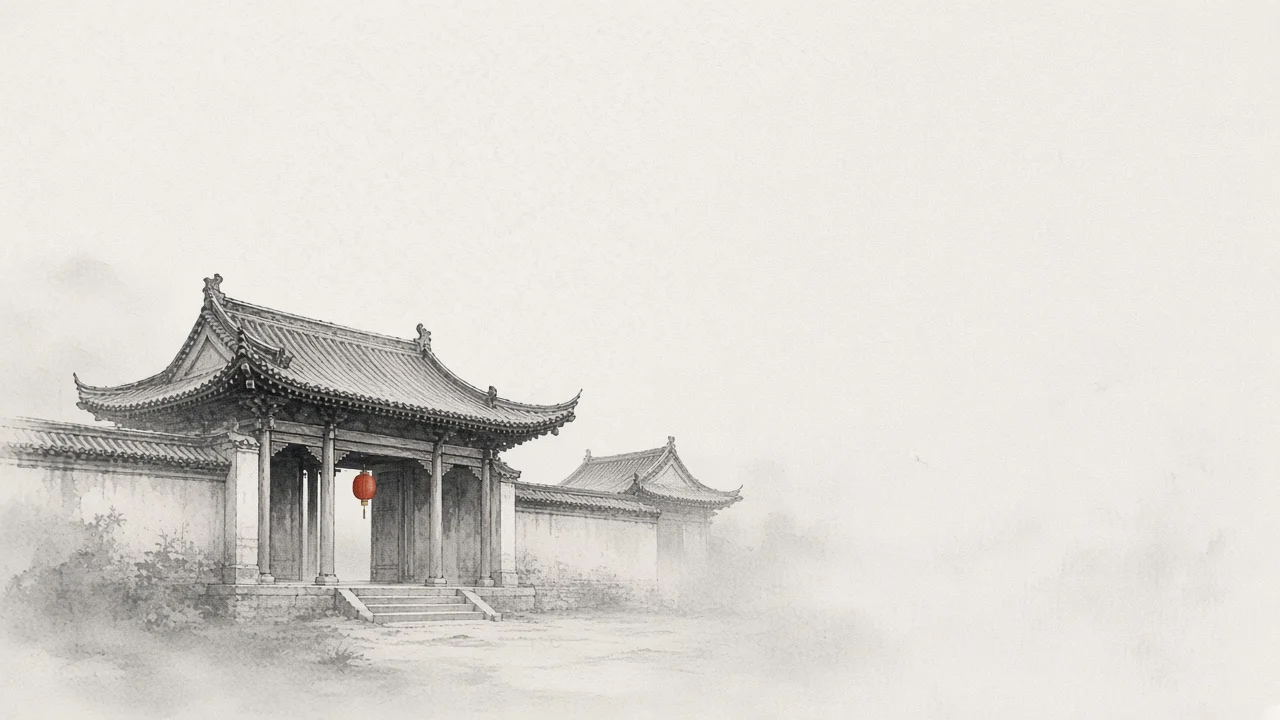
Beyond the Tower: Fogong Temple Compound and Visit Rules
Inside Fogong Temple in Yingxian, walk the gate–pagoda–Mahavira Hall axis plus Ming courtyard fabric and visit rules — compound frame after the tower essay, not a second climb rewrite.

Datong Overnight, Yingxian Day-Return: One Executable Spine
One Datong overnight → Yingxian day-return spine — morning outbound, Fogong and Wooden Pagoda window with climb still closed, town buffer, evening return — soft hours and tickets; live 12306 and bus boards on the transport sibling.

Default Datong Overnight — When Yingxian Sleep Makes Sense
Why Datong is the default overnight for Yingxian Wooden Pagoda day-return — and the narrow cases when sleeping in Yingxian county town makes sense — without hotel rankings or invented lodging prices.
Add or Skip: Yingxian vs Yungang and Hanging Temple Time
When Yingxian Wooden Pagoda earns a Datong day-return — and when to skip it so Yungang or Hanging Temple keep a full daylight window — without rewriting the Datong three-day spine.
Tickets, Meals, Waiting: Yingxian Town Without a City Break
Compact Yingxian day-visitor nodes — Fogong tickets, simple meals by the Wooden Pagoda, and return waits at the bus station or Yingxian West — not a Shuozhou or Shuocheng city-break.

Ground Visit, Not Guaranteed Climb: What You See at Yingxian Wooden Pagoda
At Fogong Temple in Yingxian, you see a freestanding Liao timber pagoda from the compound and ground floor — the upper climb stays closed for protection; worth it as a tower visit, not a guaranteed ascent.
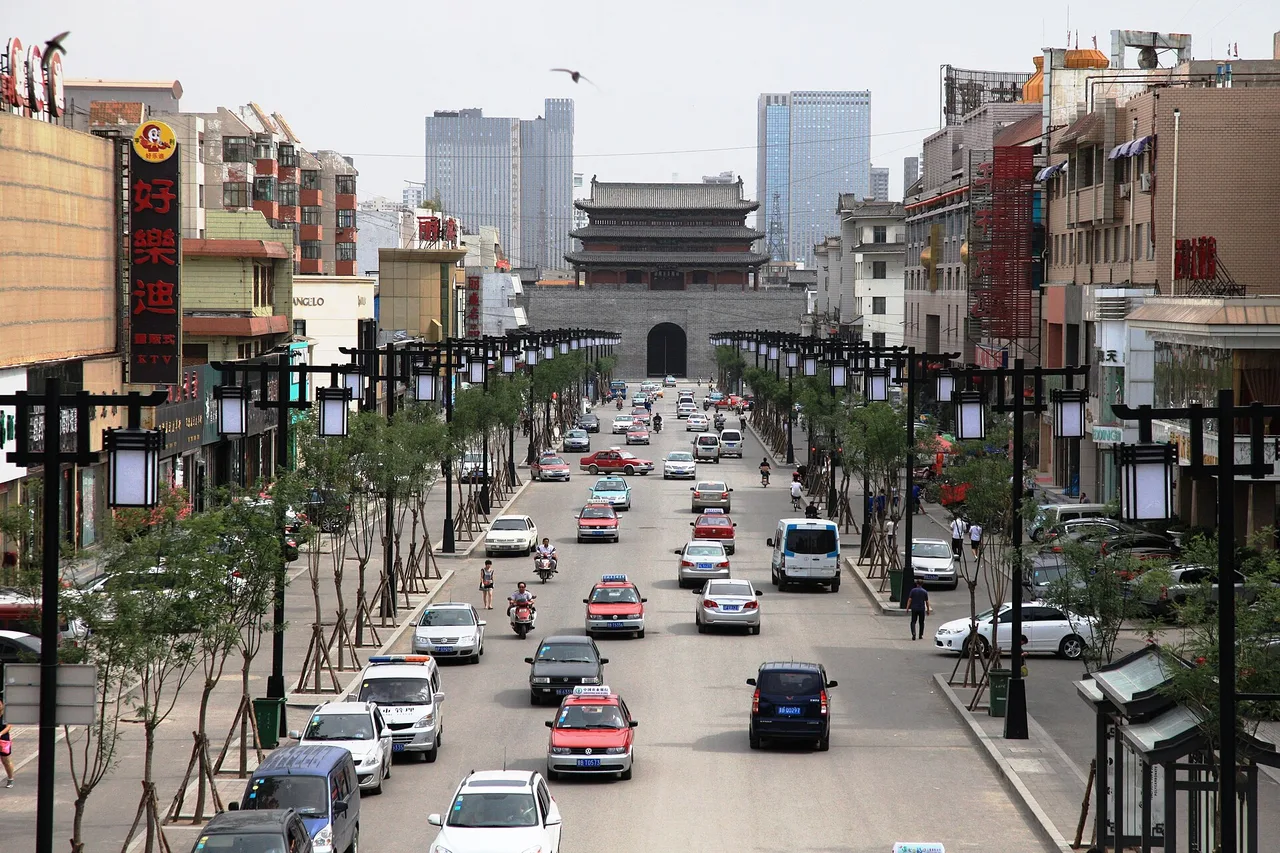
Wall Height, Then Lanes: A Half-Day on Datong’s Ancient Circuit
Spend a half-day on Datong’s ancient city wall for rampart height and orientation, then walk the inner old-city fabric toward Huayan or Shanhua — not a generic old-street shopping guide.
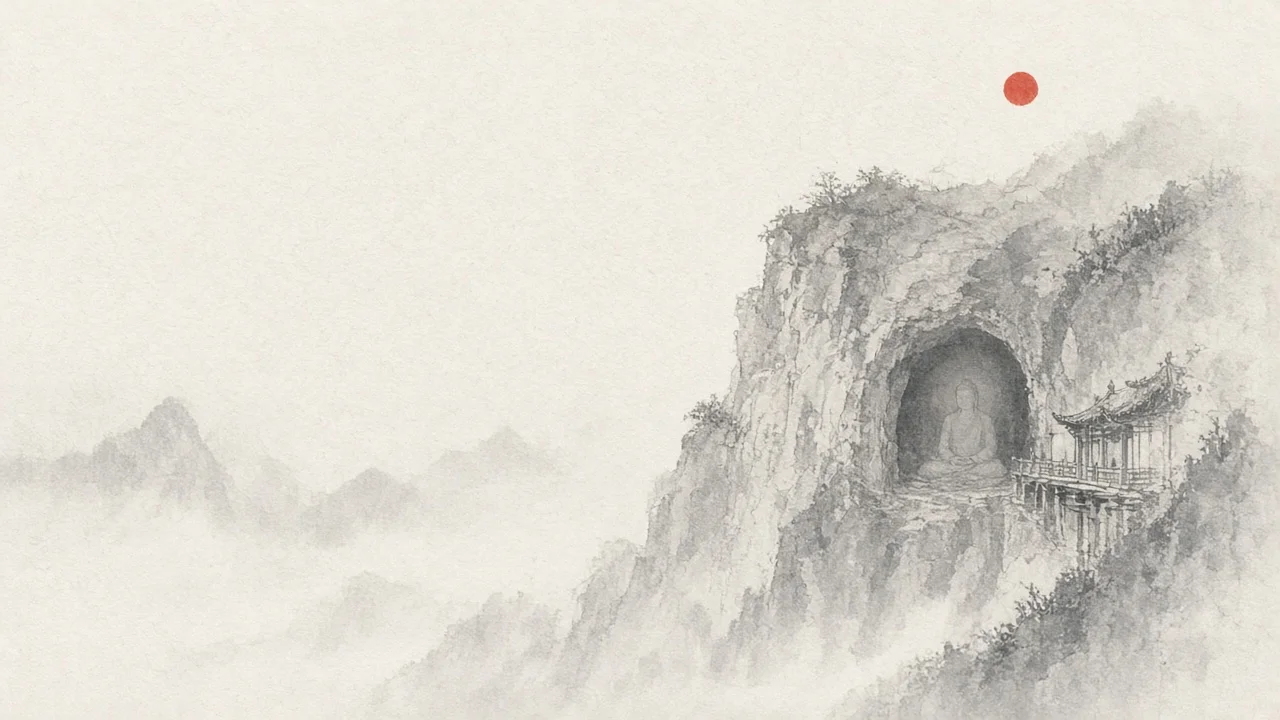
Four Frames, Not a Checklist: How to Read Datong's Cultural Landscape
Datong reads clearest as Northern Wei caves, Liao-Jin timber temples, the old city wall, and the Hanging Temple fringe — a citywide frame before any day plan or single-site deep dive.
A slow map, built one place at a time.
Each city is treated as a small library: history, food, modern life, nature, living culture, and one route that ties it together.
Chengdu ·
Sichuan's relaxed capital, known for pandas, teahouses, spicy food, and easygoing street life.
Xi'an ·
An ancient capital with city walls, Muslim Quarter food, and the Terracotta Warriors nearby.
Hangzhou ·
A lakeside city shaped by tea fields, canals, gardens, and a polished modern economy.
Shanghai ·
China's electric port city where Art Deco banks, shikumen lanes, and glass supertowers crowd the same riverfront.
Beijing ·
China's sprawling capital, bridging imperial monumentalism and dynamic contemporary subcultures.
Chongqing ·
China's vertical megacity, bridging Yangtze river gorges, fog-drenched cliffs, and spicy cauldrons.
Shenzhen ·
China's tech metropolis, bridging futuristic skylines, hardware maker markets, and preserved Hakka culture.
Tianjin ·
China's historic northern port, bridging European concession architecture, traditional street food, and canal heritage.
Guangzhou ·
China's historic southern gateway, bridging colonial Shamian Island, Lingnan ancestral academies, and steamed dim sum tea houses.
Suzhou ·
China's historic garden city, bridging ancient stone canals, private scholar pavilions, traditional silk embroidery, and modern clean-tech grids.
Wuxi ·
China's cradle of industry and canal commerce, bridging giant lakeside Buddhas, sweet clay figurines, historic Huishan clay tea springs, and high-tech manufacturing.
Changzhou ·
China's dragon city, bridging ancient spring and autumn ruins, hot spring bamboo forests, dinosaur theme parks, and advanced new energy vehicle manufacturing.
Nantong ·
China's museum city at the Yangtze mouth, bridging the Haohe moat ring, Zhang Jian's pioneering public institutions, and a coastal industrial plain.
Yangzhou ·
A Jiangnan canal city of lake-gardens and Huaiyang cuisine, shaped by Grand Canal trade and Qing salt-merchant heritage.
Datong ·
Shanxi's northern frontier city of Northern Wei caves, Liao-Jin timber temples, a rebuilt old-city wall, and the Hanging Temple on the Hengshan fringe.
Shuozhou ·
Shanxi prefecture anchoring Yingxian Wooden Pagoda at Fogong Temple — typically a Datong overnight with a Yingxian day-return, not a Shuocheng city-break.
Browse by curiosity, not just geography.
Topics help long-tail search and give readers a way to keep reading after a city story answers the first question.
History
Ancient capitals, dynasties, monuments, and the stories behind them.
Culture
Daily rituals, social customs, arts, festivals, and local ways of life.
Food
Regional cuisines, street snacks, dining etiquette, and flavors worth planning around.
Nature
Landscapes, wildlife, parks, mountains, rivers, and outdoor travel ideas.
Modern China
High-speed rail, city life, design, technology, and contemporary travel context.
A letter from the road every two weeks.
New essays, one sharp cultural note, and one practical travel detail. Built for readers who want China to become more legible without becoming smaller.