Texture First: What One Huaiyang Dinner in Yangzhou Should Deliver
One Huaiyang dinner in Yangzhou should deliver knife-work texture and clear-broth clarity — Wensi tofu silk and a hand-cut lion’s head — not a fried-rice checklist or restaurant ranking.
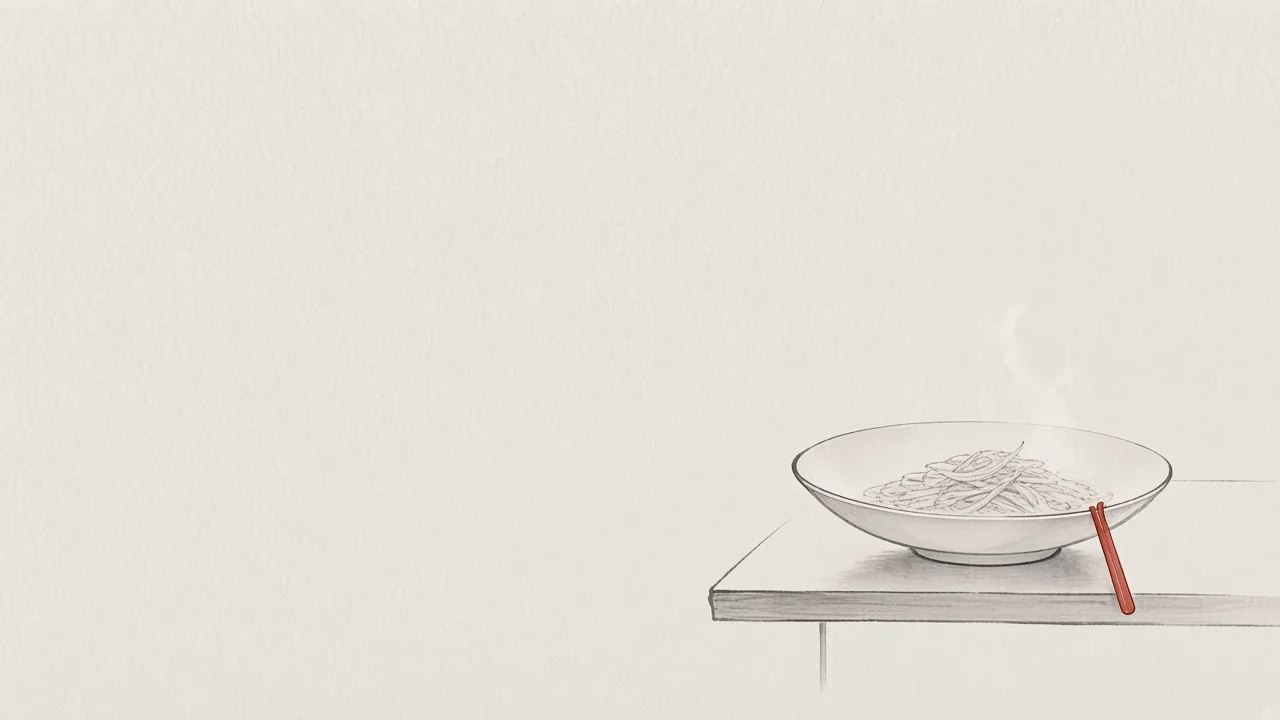
One Huaiyang dinner in Yangzhou should deliver knife-work texture and clear-broth clarity: hair-fine tofu silk (文思豆腐) or boiled dry-tofu shreds in hot stock, then a clear-broth lion’s head (清汤狮子头) whose pork is hand-cut into dice, not ground. Treat morning tea as a separate intent; leave fried-rice myths and restaurant rankings aside.
What should one dinner actually deliver — not a dish list?
Hold three tests: texture you can feel, knife work you can see, and broth that stays clear. Texture means silk tofu that floats, dry-tofu shreds that drink stock without going mushy, and a lion’s head that trembles soft instead of bouncing like a meatball from a grinder. Knife work is the city’s craft claim — hair-fine tofu, pomegranate-seed pork dice — not garnish flowers for the camera. Clarity is the broth test: pale, savory, and clean enough that the meat or tofu is the argument, not a heavy sauce.
This is a deliverables map for one serious evening table, not a restaurant scorecard. Soft context for why the table sits beside lake and canal: the citywide reading frame.
What does knife work look like when the plate arrives?
文思豆腐 (Wensi tofu) is the textbook knife plate: silken tofu cut into hair-fine strands that hang in a light chicken stock with matching shreds of ham, mushroom, or greens. The Woks of Life’s Yangzhou kitchen notes (July 2024; still the clearest English craft walk-through as of October 2026) put the apprenticeship claim at years of practice before the strands stay even without breaking — use that as craft context, not a shop ranking. If the “silk” looks like thick noodles, or the bowl is cloudy with starch, the knife story failed.
大煮干丝 (boiled dry-tofu shreds) is the heartier cousin: pressed dried tofu cut fine, then simmered in stock with shrimp, ham, or chicken shreds. Same judgment — springy strands that take broth — different mouthfeel from morning tea’s cold scalded dry tofu. Order one knife plate so the dinner has a visible craft axis before the meat course lands.
What does a clear-broth lion’s head prove?
清汤狮子头 is a large pork “lion’s head” simmered in clear broth, often with greens or cabbage. The craft claim is hand-cut dice, not minced paste: The Woks of Life’s tasting notes and Chinese kitchen writing (including Jiangsu food features such as jsnews.jschina.com.cn, September 2025, checked October 2026) still insist the pork is sliced and diced knife by knife so fat and lean keep structure — that is why the ball can be rich yet soft, and why the broth can stay clear after a long simmer. A dense, rubbery ball in muddy stock is a different dish wearing the same name.
Seasonal crab-powder versions exist; the deliverable does not change. You want tremble, juice, and broth you would drink — not a fried-rice side act pretending to be the city’s main food claim.
How is this different from morning tea — or from “Yangzhou fried rice”?
Morning tea is an early ordering path: cold silk dry tofu, san ding bao, jade shaomai. Dinner is night-scale texture and clear broths. Soft-link the morning-tea ordering piece; do not merge the two into one “Yangzhou food” mash-up.
Fried rice is real, and knife work shows in the dice — but it is not the dinner’s proof of Huaiyang. UNESCO named Yangzhou a Creative City of Gastronomy in 2019 (unesco.org/en/creative-cities/yangzhou, checked October 2026) for broader Huaiyang heritage as the cuisine’s cradle, not for a takeaway fried-rice myth. Use that designation as civic craft context; do not treat it as a branch ranking.
When should you go, and how long should dinner take?
Year-round. Huaiyang dinner is an evening intent: allow 90–120 minutes for a knife plate, a clear-broth lion’s head, and one vegetable or fish that does not bury the clarity test. Peak tourist seasons (spring willow and autumn clear-air windows) pack classic houses; book or arrive early if the room is small — this piece does not invent per-shop prices or a ranked list.
Confirm hours on the house’s own board or WeChat the day you go. Soft spend varies widely; the judgment is whether texture and broth arrived, not whether a guide put the name on a “must-eat” chart.
Who is this for — and who should skip?
Come if you want one evening that tests Huaiyang craft — silk tofu or dry-tofu shreds, then a hand-cut clear-broth lion’s head — and an answer that keeps morning tea and dinner as separate intents. Skip if you need a restaurant ranking, a private English tasting menu as the only path, or a fried-rice checklist as the city’s food story. Order for texture and clarity; leave the lake and canal frames to their own articles.
More from Yangzhou
- culture / 7 min readYangzhou reads clearest as lake-gardens, Huaiyang table, and Grand Canal salt-merchant fabric — a citywide frame before any day plan or single-garden deep dive.
- nature / 7 min readAt Yangzhou’s Slender West Lake, boat for the water stage and walk for Five-Pavilion Bridge and Twenty-Four Bridges underfoot — admission is not a boat ticket.
- history / 7 min readAt Yangzhou’s Ge Garden, walk the four-season rockeries as one sequence and stop when a season earns a judgment — not every pavilion as a stamp.