Free, but Book Three Days Out: Getting the Most from the Shanxi Museum
The Shanxi Museum in Taiyuan is free but needs real-name WeChat booking; slots open three days ahead and on the morning itself, it closes on Mondays except holidays, and foreigners book and enter with a passport.
Published
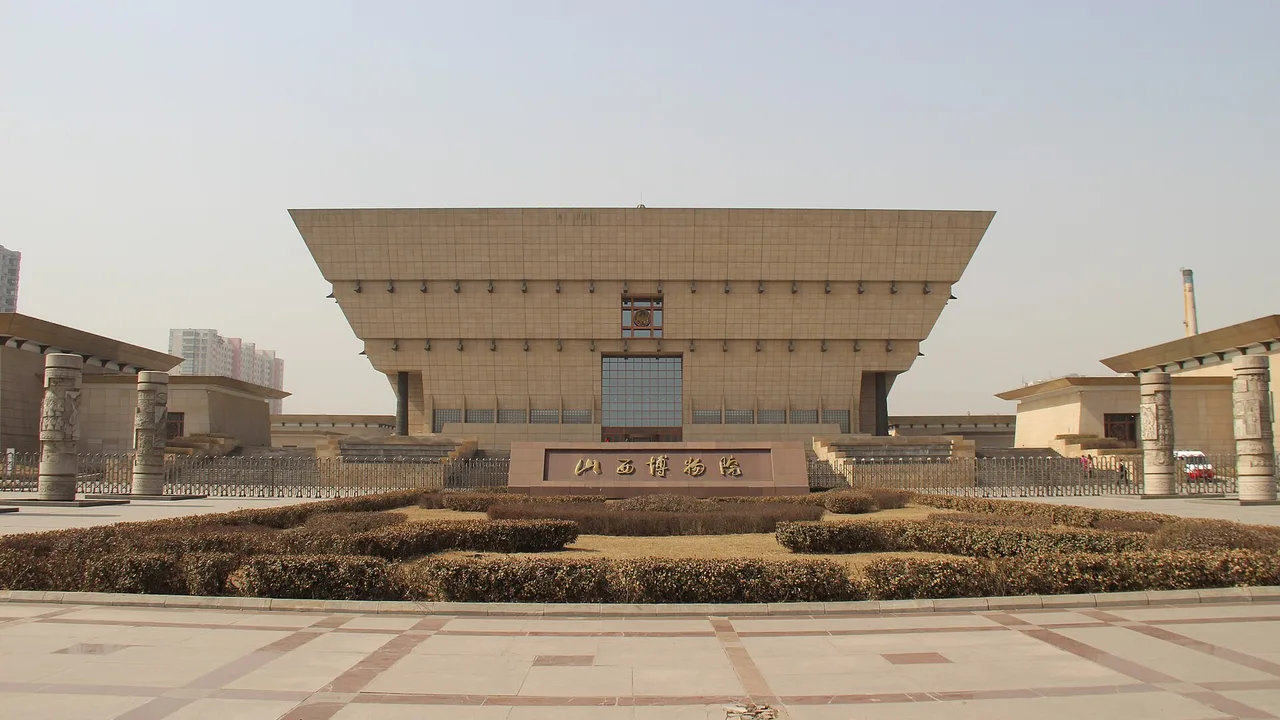
The Shanxi Museum (山西博物院) in Taiyuan is free, but you need a real-name booking on its official WeChat account. Slots open at 20:00 three days ahead and again at 08:00 on the day. It closes on Mondays except public holidays. Foreign visitors book and enter with a passport. Allow at least two to three hours.
Why is it worth the time?
Shanxi has more surviving old buildings than any province in China, and this museum is where the objects that came out of them, and out of its tombs, end up. It gives context to everything else you see in the province: Jin state bronzes, Northern Wei and Northern Qi tomb finds, Buddhist sculpture, and later material on the Shanxi merchants and bankers whose money built Pingyao and the family courtyards. If you are travelling the province from Datong to the south, a morning here makes the rest of the trip make more sense.
How does booking work?
Checked October 2026 (Asia/Shanghai):
- Free admission, booking required through the museum's official WeChat account, by real name.
- When slots open: following a June 2026 system upgrade, slots are released at 20:00 three days before your visit day and at 08:00 on the day. Weekends and holidays go quickly.
- ID: foreigners can book with a passport and must bring the original. Since September 2026 the museum has stopped checking QR codes at the door and checks your ID document instead, so the passport matters more than the screenshot.
- Closed Mondays, except public holidays.
- Hours: during the 1–7 October 2026 holiday the museum opened 08:30–17:30, last entry 16:30. It ran extended hours in late summer. We could not confirm regular October weekday hours from an official page, so check the booking screen. It shows the slots for the day you choose.
The museum's own notices win. If you cannot use WeChat, ask your hotel to book. That is common and staff are used to it.
What should you prioritise inside?
The museum is large. A two-hour route that covers the core:
- Bronzes from the Jin state and earlier. The animal-shaped vessels are the stars, and the bird-shaped zun of the Marquis of Jin is the piece people photograph.
- Northern dynasties tomb finds. Pottery figures, horses and wall-painting fragments from the period when Datong and Taiyuan were capitals of the north.
- Buddhist sculpture. Stone figures from across the province, including pieces from grotto sites like Tianlongshan.
- Shanxi merchants. Banking and trade galleries that explain the courtyards and the piaohao of Pingyao.
Then decide whether to stay longer or move on. The ceramics and calligraphy halls are excellent if those interest you.
How do you get there, and what is nearby?
The museum sits on the west bank of the Fen River, in Wanbailin District, in a building shaped like an ancient vessel. Taxis and ride-hailing are simplest. City buses also stop nearby. There is a café and lockers. Bags go through a security check.
The Fen River park outside is good for a walk. The Twin Pagodas and Chunyang Palace are both on the east side of the river, so plan the museum as its own morning and cross town after lunch.
When should you go?
Tuesday to Friday mornings are the calmest. Avoid the first day after a holiday, when booking spikes. For how it fits a short stay, see the two-day Taiyuan plan.
Cover photo: Gary Todd / Wikimedia Commons (CC0)
More from Taiyuan
- history / 5 min readJinci, south-west of Taiyuan, is a garden of temples around the Jin River springs, with a Song-dynasty Hall of the Holy Mother and its painted maid figures; the ticket is 80 yuan, booking runs on WeChat, and holiday slots sell out.
- history / 4 min readShuanta (Twin Pagodas) Temple, or Yongzuo Temple, has a pair of Ming brick pagodas that are Taiyuan's skyline symbol, plus old peonies in spring; the ticket is 30 yuan and April to October hours run 08:30 to 17:30.
- history / 4 min readTianlongshan Grottoes, in the hills above Jinci, are small Eastern Wei to Tang cave temples whose heads were looted in the 1920s; the ticket is 50 yuan, booking is no longer required, and a scenic shuttle links them with Jinci.