Springs, Cypresses and Song Maids: How to See Jinci Temple in Half a Day
Jinci, south-west of Taiyuan, is a garden of temples around the Jin River springs, with a Song-dynasty Hall of the Holy Mother and its painted maid figures; the ticket is 80 yuan, booking runs on WeChat, and holiday slots sell out.
Published
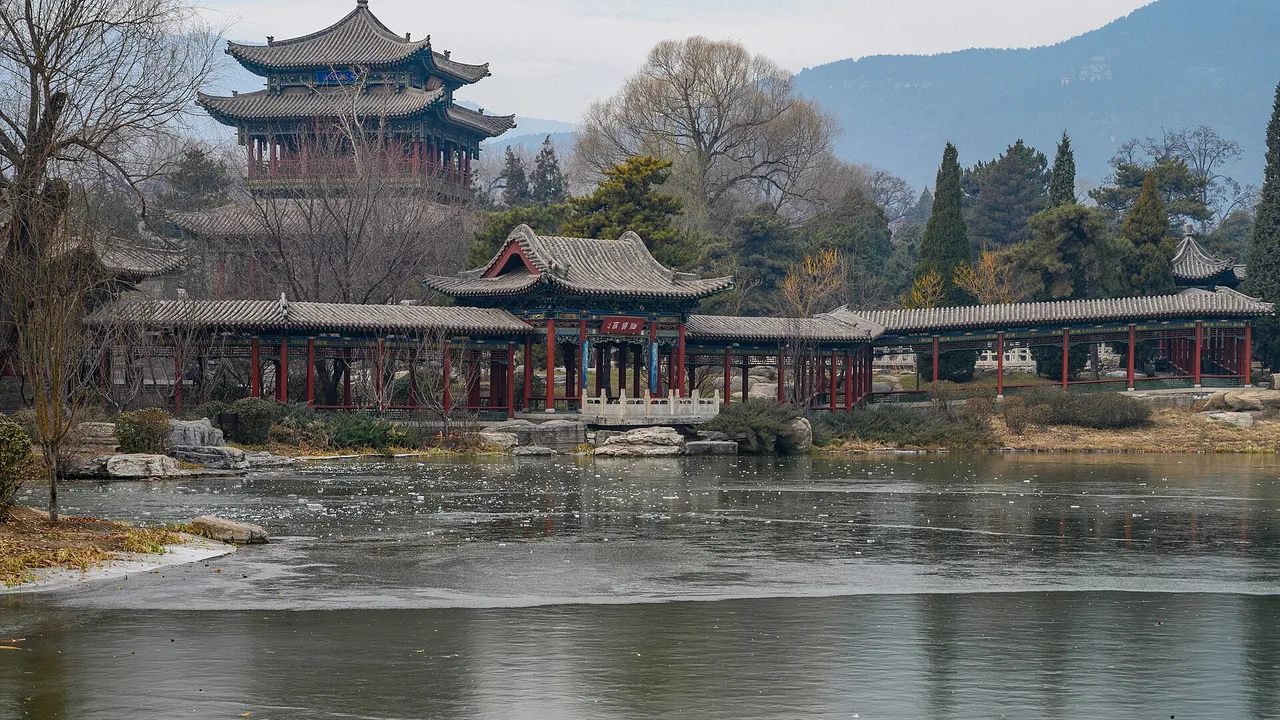
Jinci (晋祠), on the south-western edge of Taiyuan, is a cluster of temples, pavilions and old trees around the springs that feed the Jin River. Its heart is the Song-dynasty Hall of the Holy Mother, full of painted clay maids. The ticket is 80 yuan, booked on WeChat, and holiday slots sell out. Give it half a day.
What is Jinci, and why does it matter?
Jinci is a shrine to Shuyu of Tang, the legendary founder of the state of Jin, and to his mother. Over two thousand years, dynasties added halls, bridges and terraces around the spring pools, so you get a garden of architecture rather than one temple. It is one of the most important early building groups in China, and it is the main reason to stay a day in Taiyuan instead of passing through.
What should you not miss?
Walk the central axis, then wander out.
- Hall of the Holy Mother (圣母殿). A Song building with a deep front porch, carved wooden dragons winding around the porch columns and a gently curving roof. Inside, the Holy Mother sits surrounded by dozens of painted Song figures of attendants and maids. Each has a different face and posture, and they are some of the most human sculptures of the period.
- Flying Bridge over the Fish Pond (鱼沼飞梁). A cross-shaped stone bridge over a square spring pool in front of the hall. It is rare, and it is the classic view of Jinci.
- Offering Hall (献殿) and the iron guardians on the terrace in front of it.
- Nanlao Spring (难老泉), the "never-ageing spring," and the very old cypresses near the Holy Mother hall, which locals say date back to the Zhou.
If you have time, the side halls, the Shuijing Terrace (水镜台) stage and the gardens along the canals are pleasant and less crowded.
How much time do you need?
Two to three hours covers the essentials at an easy pace. Half a day lets you sit by the water. Jinci shares a scenic area with Tianlongshan Grottoes, and a shuttle runs between them, so a full day for both is a good plan.
How do tickets and booking work?
Checked October 2026 (Asia/Shanghai):
- Ticket: 80 yuan full price, 40 yuan half price. A joint ticket with Tianlongshan has been listed at 110 yuan.
- Booking: through the 中国晋祠 or 晋祠天龙山景区 WeChat accounts, or the 太原市文保院 mini-program. On public holidays the site uses real-name timed slots, bookable up to 10 days ahead. When slots run out you cannot register on the spot. On 4 October 2026, online tickets were gone.
- Hours: from 8 October 2026, 08:30–17:30, last check-in 17:00. Hours were longer during the National Day week.
Foreign visitors book with a passport and bring the same passport. If WeChat booking defeats you, ask your hotel to help the day before. Official notices from the Jinci Museum win over these figures.
How do you get there?
There is no metro to Jinci. Bus 308 runs from the Taiyuan railway station area to Jinci new town (晋祠新镇), and buses 804 and 856 also serve the Jinci stops. From there it is a short walk to the gate. A taxi or ride-hailing car from the centre is simpler; allow for city traffic on the way out. If you are going on to Tianlongshan, the scenic-area shuttle leaves from the Jinci stop.
Is it worth it?
Yes, even on a tight schedule. If you can only do one thing in Taiyuan besides changing trains, do Jinci. It pairs naturally with the Shanxi Museum for a two-day stay; see the two-day plan. If you have seen the Liao temples in Datong, the Holy Mother hall gives you their Song counterpart.
Cover photo: xiquinhosilva / Wikimedia Commons (CC BY 2.0)
More from Taiyuan
- history / 5 min readThe Shanxi Museum in Taiyuan is free but needs real-name WeChat booking; slots open three days ahead and on the morning itself, it closes on Mondays except holidays, and foreigners book and enter with a passport.
- history / 4 min readShuanta (Twin Pagodas) Temple, or Yongzuo Temple, has a pair of Ming brick pagodas that are Taiyuan's skyline symbol, plus old peonies in spring; the ticket is 30 yuan and April to October hours run 08:30 to 17:30.
- history / 4 min readTianlongshan Grottoes, in the hills above Jinci, are small Eastern Wei to Tang cave temples whose heads were looted in the 1920s; the ticket is 50 yuan, booking is no longer required, and a scenic shuttle links them with Jinci.