Headless Buddhas and a Returned Face: Visiting Tianlongshan Grottoes from Jinci
Tianlongshan Grottoes, in the hills above Jinci, are small Eastern Wei to Tang cave temples whose heads were looted in the 1920s; the ticket is 50 yuan, booking is no longer required, and a scenic shuttle links them with Jinci.
Published
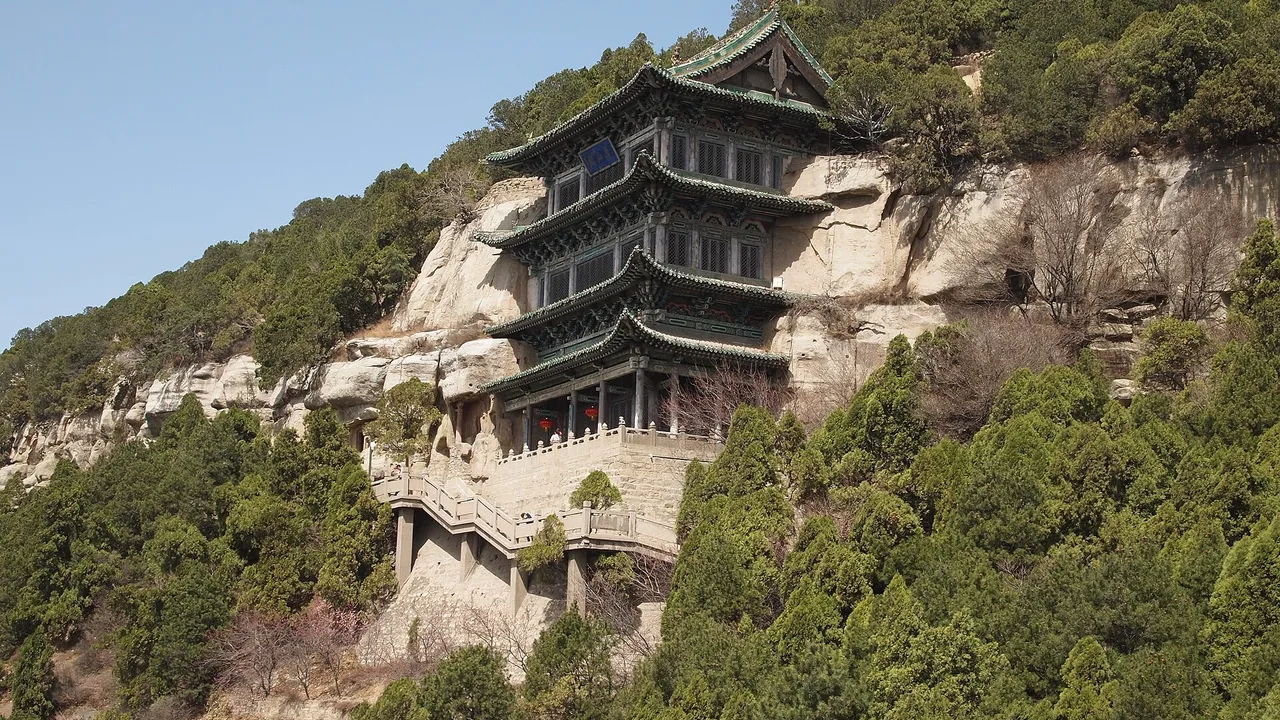
Tianlongshan Grottoes (天龙山石窟) are a small group of Buddhist cave temples, Eastern Wei to Tang, cut into a wooded hillside above Jinci. Most of their heads were hacked off and sold abroad in the 1920s, and that loss is part of the visit. The ticket is 50 yuan and booking is no longer required. A scenic-area shuttle links the caves with Jinci.
What are you actually going to see?
Do not expect Yungang. The caves are small, spread along a cliff path, and many are badly damaged. What survives is the finest early Tang sculpture in north China: seated and standing figures with soft, fluid bodies and drapery that seems to cling. Art historians abroad knew Tianlongshan long before most Chinese visitors did, because pieces from it are in museums in Japan, Europe and North America.
That history is why the visit is moving. You walk past torsos without heads, niches without figures, chisel marks where faces were removed. A small number of looted heads have since come back to China. One that returned in 2020 is the most famous. The grotto museum, called the Treasures Hall (国宝馆) on the shuttle signs, explains the looting and the efforts to reunite the pieces, including digital reconstructions.
How long do you need?
About two hours including the shuttle, the cliff path and the museum. Combined with Jinci, it fills a comfortable day.
How do tickets and hours work?
Checked October 2026 (Asia/Shanghai):
- Ticket: 50 yuan full price, 25 yuan half price. The Jinci + Tianlongshan joint ticket has been listed at 110 yuan, which saves money if you are doing both.
- Hours (8–31 October 2026): 08:30–17:30, last check-in 16:30.
- Booking: the advance reservation requirement has been dropped. Buy a ticket and enter with the QR code.
Winter hours from November are likely shorter. Official notices from the Jinci–Tianlongshan scenic area win.
How do you get there from Jinci?
The scenic area runs sightseeing shuttle buses. Line 1 goes from the Jinci stop up to the Treasures Hall, stopping at the Longmen platform (龙门平台) for the caves. From 27 July 2026, the last bus up from Jinci left at 17:00 and the last return from the Treasures Hall at 19:00. On holidays, extra shuttles run between the parking areas for about 5 yuan a ride. Timetables shift with the seasons, so check the board at Jinci.
You can also reach the caves directly from Taiyuan by taxi or car. The mountain road is winding.
Which order works best?
Morning at Jinci, lunch near the gate, then the shuttle up to Tianlongshan in the early afternoon. Leave enough time for the last check-in at 16:30. Going the other way also works if Jinci is busy in the morning, but Jinci's timed slots make it easier to fix that booking first.
Is it worth the extra half-day?
If you like Buddhist art, yes. It is one of the great sites of early Tang sculpture, and the story of loss and return is told well. If you have just come from Yungang in Datong and grottoes are not your passion, you could skip it and spend the afternoon at the Shanxi Museum instead. See the two-day plan for both options.
Cover photo: Underbar dk / Wikimedia Commons (CC BY-SA 4.0)
More from Taiyuan
- history / 5 min readJinci, south-west of Taiyuan, is a garden of temples around the Jin River springs, with a Song-dynasty Hall of the Holy Mother and its painted maid figures; the ticket is 80 yuan, booking runs on WeChat, and holiday slots sell out.
- history / 5 min readThe Shanxi Museum in Taiyuan is free but needs real-name WeChat booking; slots open three days ahead and on the morning itself, it closes on Mondays except holidays, and foreigners book and enter with a passport.
- history / 4 min readShuanta (Twin Pagodas) Temple, or Yongzuo Temple, has a pair of Ming brick pagodas that are Taiyuan's skyline symbol, plus old peonies in spring; the ticket is 30 yuan and April to October hours run 08:30 to 17:30.