Grassland at Three Thousand Metres: Should You Do Wutai Shan's Five Terraces?
The 'grand pilgrimage' to Wutai Shan's five terrace peaks — Beitai is about 3,061 m — takes a full day by official vehicle; do it in July to September, carry winter layers, and skip it from mid-October when snow and wind close the tops.
Published
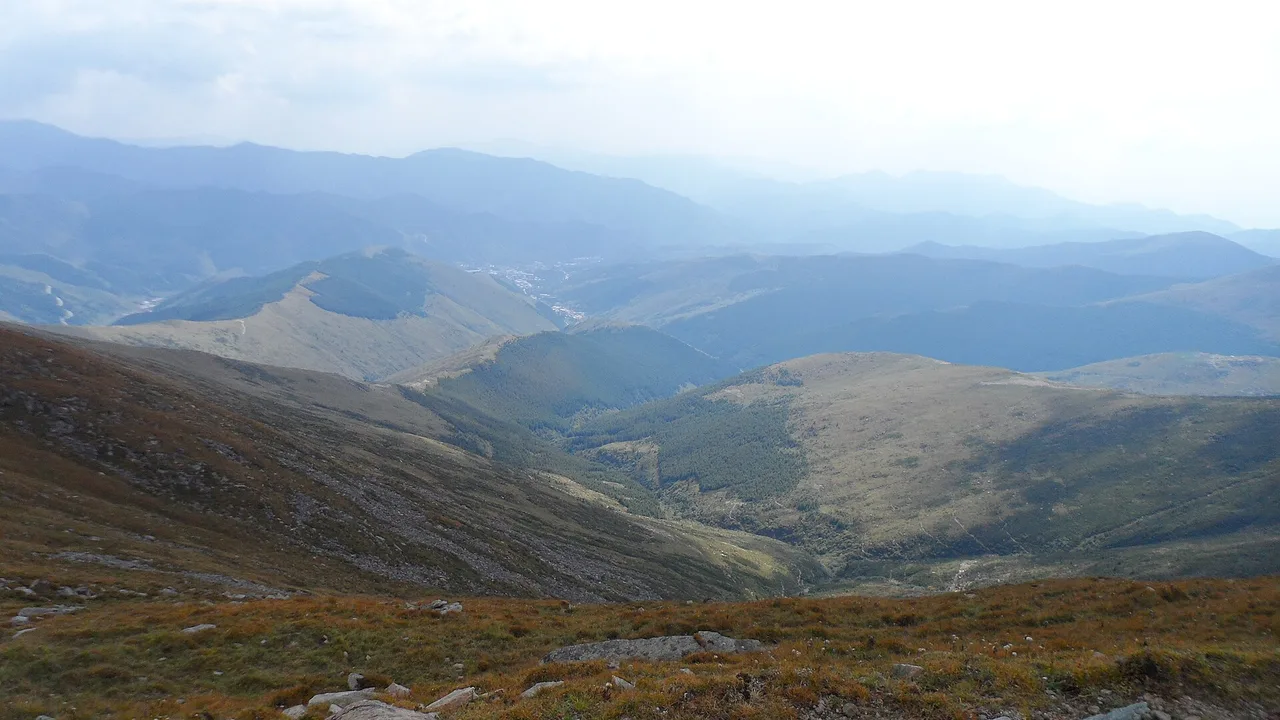
Do the five terraces only between about July and September, and only if you want high grassland and wide views more than temples. The "grand pilgrimage" (大朝台) takes a full day by official vehicle up to Wutai Shan's flat summits, the highest of which, Beitai, is about 3,061 m. From mid-October, snow, wind and fog often close the tops.
What are the terraces?
Wutai means "five terraces". The mountain's five main summits, east, north, central, west and south, are broad, rounded tops covered in subalpine meadow rather than sharp peaks. Each has a temple to one form of Manjushri. Pilgrims who visit all five complete the grand pilgrimage. If you see only Dailuoding in the valley, you have done the "small pilgrimage", which is covered in the Taihuai guide.
The draw for non-pilgrims is the landscape. Grazing horses and yaks, summer wildflowers and huge skies make it feel very different from the crowded valley below.
When is it actually possible?
Visitor guides from August 2026 give the following:
- August: valley days around 16–22 °C, with showers and thunderstorms in the afternoon.
- September: cooler and clearer. Snow is possible on the tops by late month.
- October: valley days around 8–14 °C, nights below freezing, and sleet and snow on the terraces. The grand pilgrimage is often suspended in wind and snow, and road surfaces ice over.
Guides put the terraces at roughly 6–12 °C colder than Taihuai. As of this check in late October, assume the tops may be closed or in winter conditions. Ask at the visitor centre the evening before.
How do you go?
Use the official pilgrimage vehicles booked through the scenic area or a licensed operator. Do not use touts' cars. A full loop of all five terraces takes a long day. Many people do two or three, often the east terrace for sunrise, the north for height and the central for its open grassland. Do not hike the terrace circuit on your own unless you are experienced and equipped. Fog can close in fast, and there are few places to shelter.
What should you bring?
Carry a down jacket, hat and gloves even in August, plus waterproofs, sun cream and sunglasses for the high UV. Bring water and snacks. Altitude affects some people above 3,000 m, so move slowly and go back down if you get a headache or dizziness. When the weather turns, follow staff instructions.
Is it worth it?
It is worth it if you have a third day, the season is right, and you enjoy open mountain landscapes. It is not worth it in late autumn or winter, when you get cold and fog for the same price. If you only have two days, give them to the valley and the Tang timber halls at Foguang and Nanchan. That matters more for most visitors than a summit loop.
Practical check
Checked October 2026 (Asia/Shanghai). There is no stable official page for terrace schedules. The details here come from visitor guides (August 2026) and the scenic area's transport reporting. On-the-day closures by the Wutai Shan scenic area win. The account “五台山游客服务中心” posts weather closures. If you came for mountains generally, compare with Mount Heng near Datong, a lower and easier summit.
Cover photo: 螺钉 / Wikimedia Commons (CC BY-SA 4.0)
More from Xinzhou
- culture / 4 min readWutai Shan's entry ticket (listed at 135 yuan full) now covers the day of use and the next day with unlimited re-entry; sleep in Taihuai, walk the core temples on day one and climb Dailuoding on day two, booking ahead on the official WeChat account.
- history / 4 min readFoguang Temple's East Hall (857) is China's most celebrated surviving Tang timber building; tickets about 40 yuan, Tuesday–Sunday with Monday closure since 1 September 2026 — time your visit to a free guided talk and allow travel time from Wutai Shan or Taiyuan.
- history / 4 min readNanchan Temple's main hall (782) is the oldest dated timber building in China — small, plain and quiet; tickets about 20 yuan in season and 10 off-season, Monday closed since September 2026, best paired with Foguang on one drive.