Whistles on a Flat Board: What Nantong's Ban Yao Kite Actually Is
At Nantong Kite Museum in Jingye An, Ban Yao board kites show flat hexagonal frames and carved whistles — a sounding Yangtze-plain craft, not a generic Chinese kite stop.
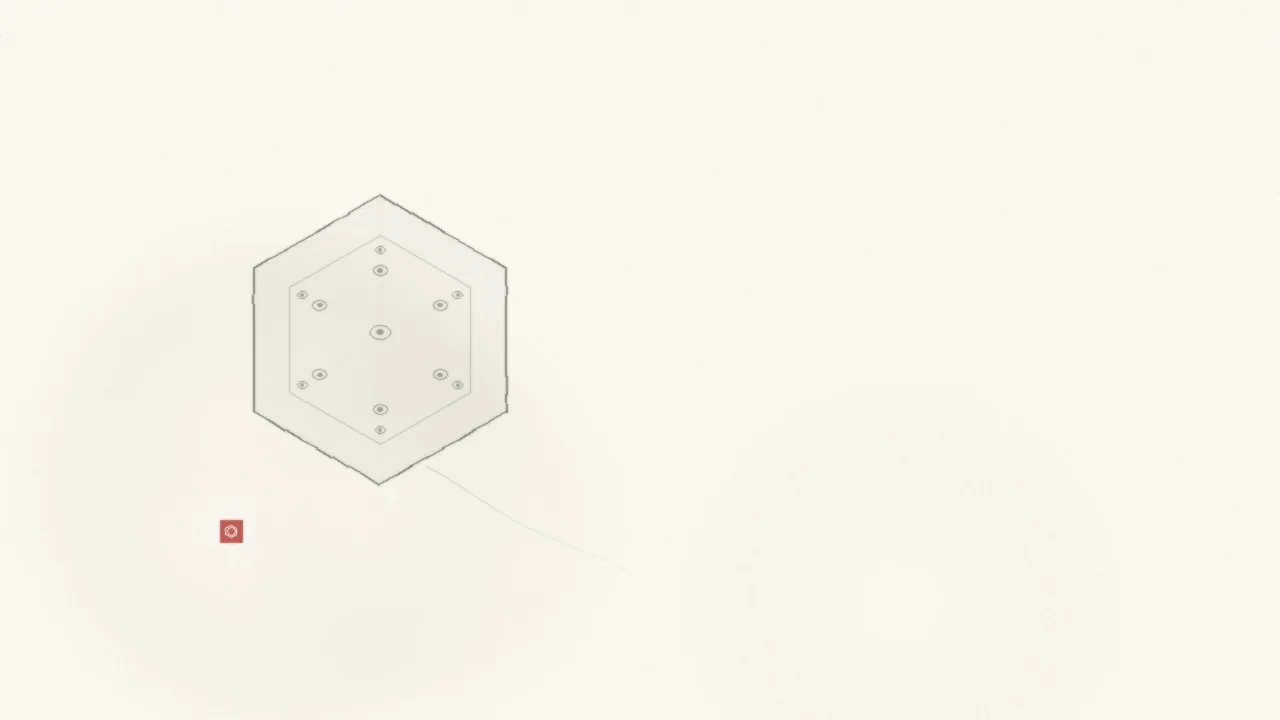
Nantong’s Ban Yao board kite (南通板鹞风筝) is a flat hexagonal Yangtze-plain craft with carved whistles (哨口) that sing in the wind — study the boards and hear sample pitches at Nantong Kite Museum in Jingye An, then chase real flying at seasonal sites such as Liuqiao or Xiaoyangkou, not a generic swallow-kite souvenir stop.
What do you actually see at the kite museum?
Nantong Kite Museum (南通风筝博物馆) sits inside Jingye An (静业庵) at Beihuqiao Dongcun (北濠桥东村), Chongchuan — not the old Workers’ Cultural Palace address many outdated guides still print. After a 2025 renovation, the indoor halls show a curated set of Ban Yao boards and accessories; outdoor panels along a “rainbow corridor” sketch Chinese kite history. Expect flat hexagons, multi-star combinations (seven-star, nineteen-star styles), painted faces, and ranks of whistle mouths — not swallow or goldfish silhouettes. A sound room lets you press for high, mid, and low Ban Yao whistle pitches without waiting for wind. Hands-on kite-making sessions and a visitor-center shop appear in official city coverage of the reopening; treat workshop slots as booked extras, not a guaranteed walk-in.
Why is this a sounding board kite, not “just a Chinese kite”?
Local saying puts “southern Ban Yao, northern Zhiyuan” (南鹞北鸢) on the map: Nantong’s southern form is a board, not a bird. City English reporting at en.nantong.gov.cn (updated June 2025) describes hexagonal frames that combine into “seven stars” or “19 stars,” plus rows of whistles that resonate together as an “aerial symphony.” National-level inheritor Guo Chengyi (郭承毅) is quoted there on the craft’s hundred-plus steps and on whistle size, shape, and material as the hard core — many makers can weave and paint; mastering the main whistle is another craft. Ban Yao entered China’s first national intangible-heritage list in 2006 as a making technique; the museum’s job is to show that technique as boards and sound, not as a mall kite with a dragon print.
How is the museum different from a flying field?
Indoors you get stillness: boards you can read, buttons for sample pitches, DIY when offered. Real Ban Yao flying needs open wind and space. Spring and autumn are the sales and flying seasons Nantong kite circles talk about; Tongzhou’s Liuqiao (刘桥) runs a long-standing kite gathering around the lunar March first market, and Rudong’s Xiaoyangkou (小洋口) hosts a recurring autumn kite festival and competition field. Official city copy names those sites as engines of the local “kite economy.” Do not expect the museum courtyard to substitute for a coastal or township flying day — and do not expect every festival sky to be pure Ban Yao; mixed kite types share the field.
When should you go, and how long?
For the museum alone, any dry non-Monday works; plan about one to two hours — boards, whistle room, corridor, then any workshop you booked. Pair with a Haohe moat walk if you are already on the river loop, or keep it separate from the half-day Nantong Museum campus. For flying, aim spring southeast “sky wind” days or autumn festival weekends; night Ban Yao with long whistle runs is a local scene when conditions allow, but it is event- and weather-dependent, not a museum schedule.
Hours, tickets, and how to get there?
Address (current): Jingye An, Beihuqiao Dongcun, Chongchuan — Jingye Road / Jinghao Road intersection (静业路与静濠路交叉口). Phone listed on Bendibao’s 2026 International Museum Day notice: 0513-85580858 (09:00–17:00; Monday closed for that listing).
Hours are not stably published on a detailed official visitor page (museum site cn-kite.com is effectively a stub). Secondary sources disagree after the September 2025 reopening: Baidu Baike cites Tue–Sun 09:00–17:00, last entry 16:30, closed Mondays except public holidays; Bendibao and older tourism pages still list a split day 08:30–11:30 / 13:30–17:00 (sometimes to 17:30) and ¥15 admission with free or half-price for named groups. City English coverage of the reopening (en.nantong.gov.cn, September 2025) confirms the Jingye An venue, whistle-sound room, and workshop — not a ticket table. Treat hours and price as unverified on a current museum hours page — phone before you go (checked October 2026 against those sources). Transit tip from older visitor pages: Haohe scenic bus 7, then walk; confirm the stop name for Jingye An / Beihuqiao Dongcun on the day. Bring ID if a ticket window asks.
Who is this for — and who should skip?
Come if you want the Yangtze-plain board-and-whistle logic — flat hexagon, carved 哨口, and why Nantong’s kite is heard as much as seen. Skip if you only want a colorful bird kite for a sky photo, or if you need a blockbuster museum campus; start at Nantong Museum or the Haohe banks instead. Skip too if “intangible heritage” for you means a logo wall and no interest in how wind becomes pitch.
More from Nantong
- history / 6 min readOn the Haohe River in Nantong, China's first public museum founded by Chinese people still shows a garden-campus of specimens, archaeology, and civic education — not a single star gallery.
- culture / 7 min readOn Langshan, a low hill south of Nantong, Tang-era Guangjiao Temple and the Song Zhiyun Pagoda look over the Yangtze estuary — a half-day of incense and river views, not an alpine climb.
- nature / 7 min readNantong's Haohe is a free daytime riverside loop around the old city — walk the banks first, and treat a lit night boat as optional, not the default.