Indigo Still Working: What Nantong Blue Calico Actually Shows You
At Nantong Blue Calico Museum on Haodong Road, indigo-resist printing is still a living craft — carved blocks, paste, dye vats, and white-on-blue cloth — not a souvenir-shop stop.
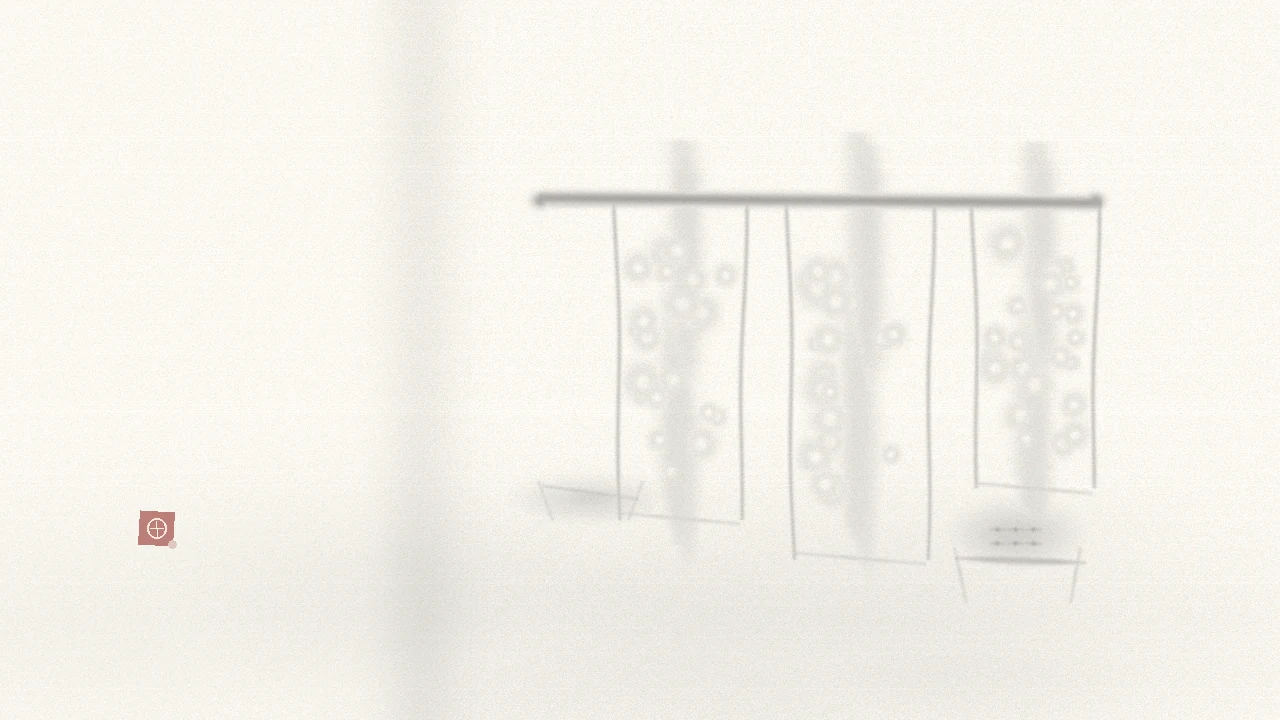
Nantong blue calico (南通蓝印花布, Nántōng lányìn huābù) is an indigo-resist craft you can still watch printed and dyed at Nantong Blue Calico Museum on Haodong Road — carved blocks, paste resist, indigo vats, and finished white-on-blue cloth — not a generic souvenir-shop “blue cloth” stop. Come for the living workshop, not a checklist stamp.
What do you actually see in the museum?
A compact courtyard museum, not a palace wing. Expect hanging cloth, carved wood printing blocks, paste-resist tools, and indigo dye equipment — the sequence of a resist print, not a wall of unexplained “heritage” labels. Halls commonly walk origin and local masterpieces, then the making process, then modern reuse; the Ming–Qing–style dye workshop (明清染坊) is the point where process becomes physical. Finished pieces show the white pattern where paste blocked the dye and the indigo field where it did not.
Why is this indigo-resist, not just “blue cloth”?
The craft is named for the method. A carved block lays paste on plain cloth; the paste resists dye. Cloth goes into an indigo vat — plant indigo starts yellow-green in the bath, then oxidizes toward blue in air, a change Wu Yuanxin (吴元新) has described for visitors and researchers. Wash the paste away and the reserved white pattern appears. That is blue calico (蓝印花布): white-on-blue from resist, not a printed blue ink on white fabric. Treat souvenir scarves sold elsewhere in town as products; treat this museum as the place that still shows how the pattern is made.
How is the museum different from a gift-shop stop?
Nantong Blue Calico Museum (南通蓝印花布博物馆) was founded by Wu Yuanxin — Chinese arts-and-crafts master and national intangible-heritage inheritor — and presents itself on its site wuyuanxin.com as China’s first professional museum integrating collection, display, research, transmission, and productive protection of blue calico (museum page lists founding in 1996; many secondary guides say 1997 — keep the museum’s own year). The same page reports tens of thousands of Ming–Qing and later pieces and pictures, a 2005 “Chinese Blue Calico Inheritance Base” designation, and a living transmission path through the dye workshop, family apprentices, and school courses. A gift shop may sell the look. This stop answers how the look is cut, pasted, dyed, and finished.
When should you go, and how long?
Indoors, any dry day works; spring and autumn are kinder if you pair the stop with a walk along the Haohe moat afterward. Plan about one to two hours: process halls, dye-workshop look, then any hands-on session you booked. Hands-on paste-and-dye experiences are offered at times and usually cost extra — call ahead rather than assuming a walk-in vat. This is a short craft visit, not a half-day campus like Nantong Museum.
Hours, tickets, and how to get there?
Address: No. 81 Haodong Road (濠东路81号), Chongchuan District — also listed as Haodong Green Garden 81 — on the museum contact page at wuyuanxin.com (checked October 2026). Phone: 0513-85108771 / 13773888573.
The official site does not publish a stable hours table. Third-party visitor pages commonly list 09:00–17:00 (Trip.com real-time listing for 14 October 2026) or 08:30–17:00 (Nantong Bendibao). Some older roundups claim a midday break or Monday closure; others say open daily. Treat hours as unverified on the museum’s own site — phone the numbers above the week you go. Admission to the museum is widely listed as free (Bendibao; Trip.com notes no ticket or reservation for a basic visit); workshop or DIY sessions are separate and priced on request. Buses 5, 12, and 33, plus the Haohe tourist loop, stop at 蓝印花布博物馆 (Blue Calico Museum) — confirm the line on the day.
Who is this for — and who should skip?
Come if you want to see a living indigo-resist line — block, paste, vat, cloth — in a city that still practices it. Skip if you only want a blue-patterned bag from any mall, or if you need a blockbuster museum campus; start at Nantong Museum or the Haohe banks instead. Skip too if “intangible heritage” for you means a photo in front of a logo wall and no interest in how dye and resist work.
More from Nantong
- history / 6 min readOn the Haohe River in Nantong, China's first public museum founded by Chinese people still shows a garden-campus of specimens, archaeology, and civic education — not a single star gallery.
- culture / 7 min readOn Langshan, a low hill south of Nantong, Tang-era Guangjiao Temple and the Song Zhiyun Pagoda look over the Yangtze estuary — a half-day of incense and river views, not an alpine climb.
- nature / 7 min readNantong's Haohe is a free daytime riverside loop around the old city — walk the banks first, and treat a lit night boat as optional, not the default.