Shenzhen handbook
Full English handbook for first-time visitors: history and culture, transport, attractions, food, lodging bases, shopping, a district-landmark map, and inline 3- and 5-day itinerary skeletons — with soft links to one-intent Shenzhen articles.
Checked October 2026
Who this handbook is for
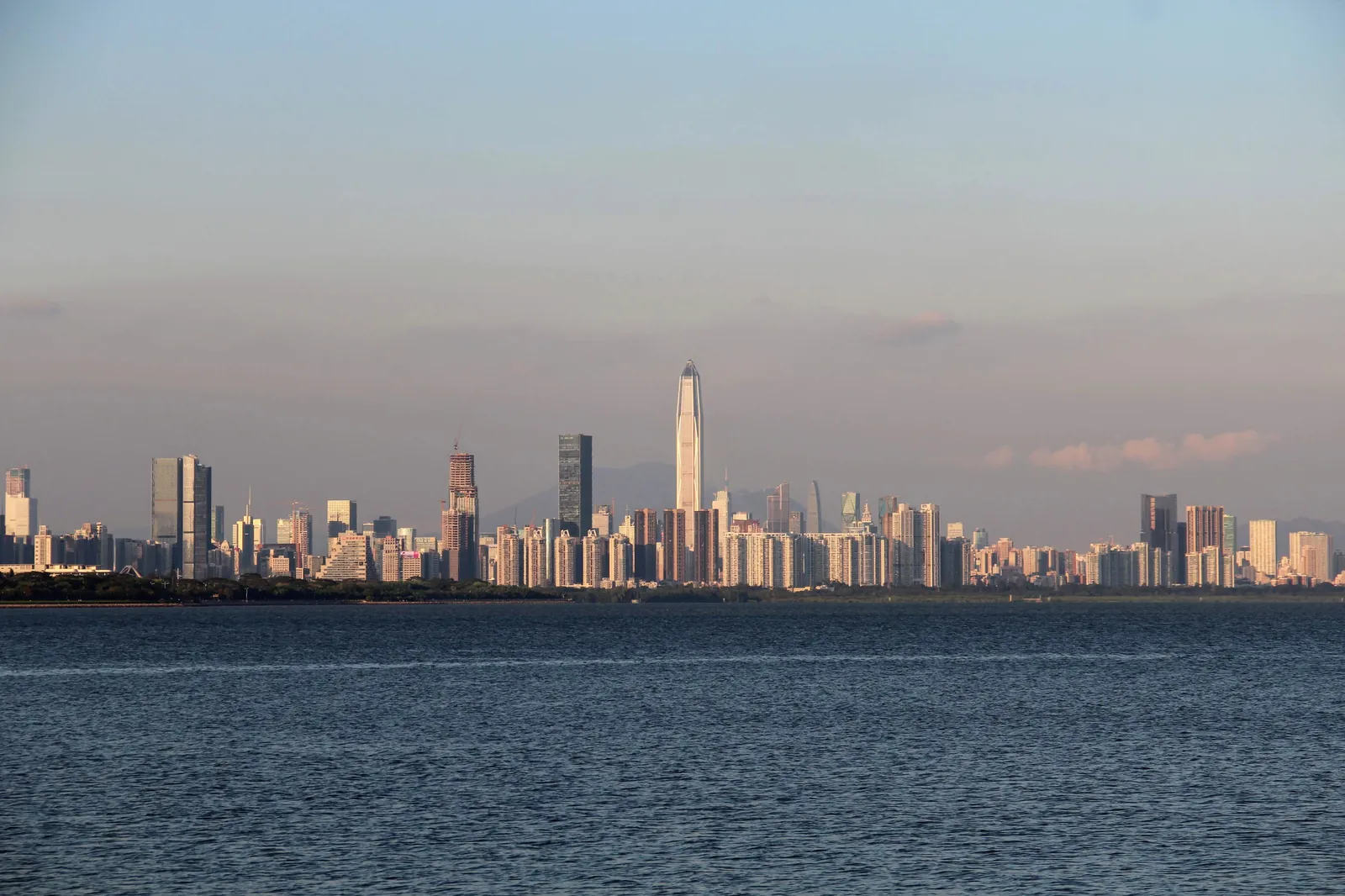
Shenzhen suits travelers who want a modern Chinese megacity without treating the skyline as the whole story. In a few days you can pair Futian glass and Huaqiangbei electronics floors with older layers — Nantou's regenerated alleys, Hakka walled compounds in Longgang, Dafen's painting lanes, and the bay edge at Shenzhen Bay Park. The city rewards metro pacing more than checklist racing: pick one grid in the morning and one neighbourhood in the afternoon, and leave room for immigrant kitchens or Shekou seafood at night. How many days? One full day works if you choose a single spine (border or overnight base → one Futian/Luohu grid → one neighbourhood). Three days is the first comfortable main line for first-timers. Five days lets you slow the same spine, add a Hakka or harbour half-day, and keep one buffer for rain, Monday museum closures, or a deeper shopping run. A Hong Kong day trip is possible — cross, walk one district, return before checkpoint cutoffs — but it is a different tradeoff than sleeping in Luohu, Futian, or Nanshan: you spend hours on immigration and lose evening neighbourhood time. If that is your only window, use the day-trip spoke rather than compressing this handbook into daylight. Before any of that, set up payment and data. Most shops, stalls, and metro gates expect a QR code. Install Alipay or WeChat Pay, link a foreign card, and verify with your passport before you rely on the metro. Carry some renminbi cash for stalls that refuse foreign-linked wallets. Entry rules (visa-free, transit, or Shenzhen visa options) are separate from Hong Kong immigration — confirm them before you plan the map.
History & culture
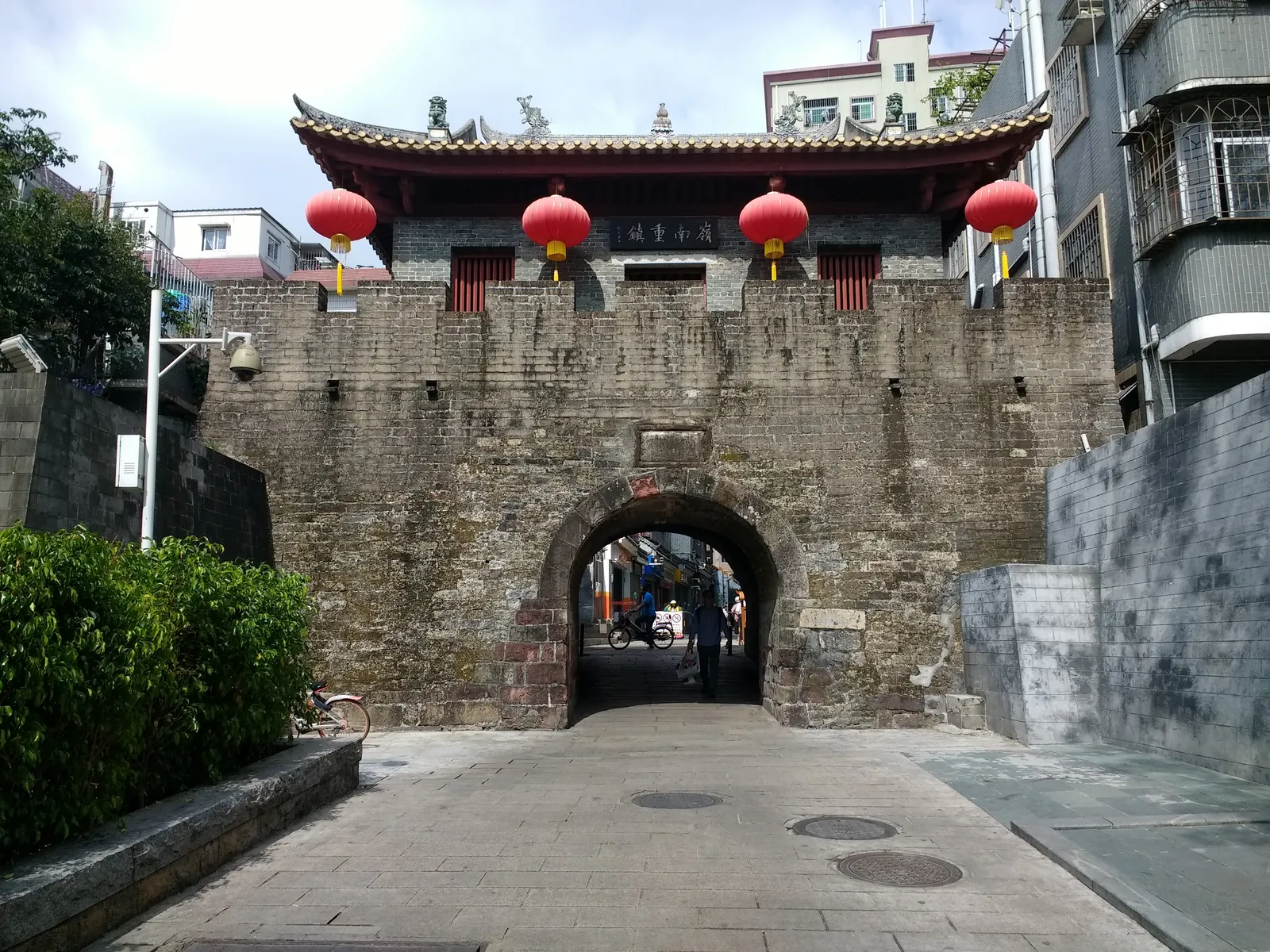
Shenzhen's public story is the Special Economic Zone leap: Bao'an farmland and fishing shores remade, within a few decades, into a manufacturing and tech megacity. The easiest indoor read of that leap is the free Shenzhen Museum of History and Folk Culture at Civic Center — migrant suitcases, early Shekou factory tools, and the visual language of "Shenzhen Speed." The outdoor sequel is the skyline itself: Ping An and the Futian CBD towers as the result, not the origin myth. Until the Second Line fence system faded, the SEZ was also a psychological border; remnants along some greenways still hint at that sealed-zone past. The city is also an immigrant city. Waves from Chaoshan, Hakka hills, and other provinces brought kitchens, clan compounds, and work rhythms that still shape neighbourhood food and housing. Pre-SEZ layers survive in pockets: Nantou Ancient Town keeps Ming gate stone beside handshake buildings and cafes; Hakka weiwu in Longgang show defensive courtyard logic built for bandits and clan conflict, not tourist courtyards; Dafen Oil Painting Village grew as a global reproduction workshop and remains a walkable alley culture of solvent, stretchers, and street studios. Treat these as lived or regenerated places, not theme-park freeze-frames. Modern architecture and creative reuse sit in the same handbook as the older threads. OCT-LOFT's former factory yards, Shekou's harbour-to-tower arc, and bay parks along Shenzhen Bay are part of how the city presents itself now — design campuses and mangrove boardwalks within metro reach of the CBD. Soft-link the deep spokes below when you want one-intent depth; this section is orientation, not a rewrite of those articles.
SEZ and immigrant city
Start with objects when you can: museum halls beat a second identical skyline deck for understanding cost and grit. Then walk Civic Center plaza or a Futian tower as contrast — clouds and LEDs as the sequel to handcarts, not the erasure. Immigrant Shenzhen shows up at dinner as much as in galleries: Chaoshan beef hotpot houses and other regional kitchens are everyday culture, not side quests.
Older layers: Hakka, Nantou, Dafen
Hakka walled houses (Crane Lake Fort / museum, Gankeng town) sit in Longgang's industrial shadow — half-day commitments, not Futian add-ons. Nantou is free public streets with laundry still in the shot. Dafen is free alleys plus a museum that often closes Mondays — confirm on the day. None of these replace each other; stack at most one as a full afternoon in a short stay.
Transport
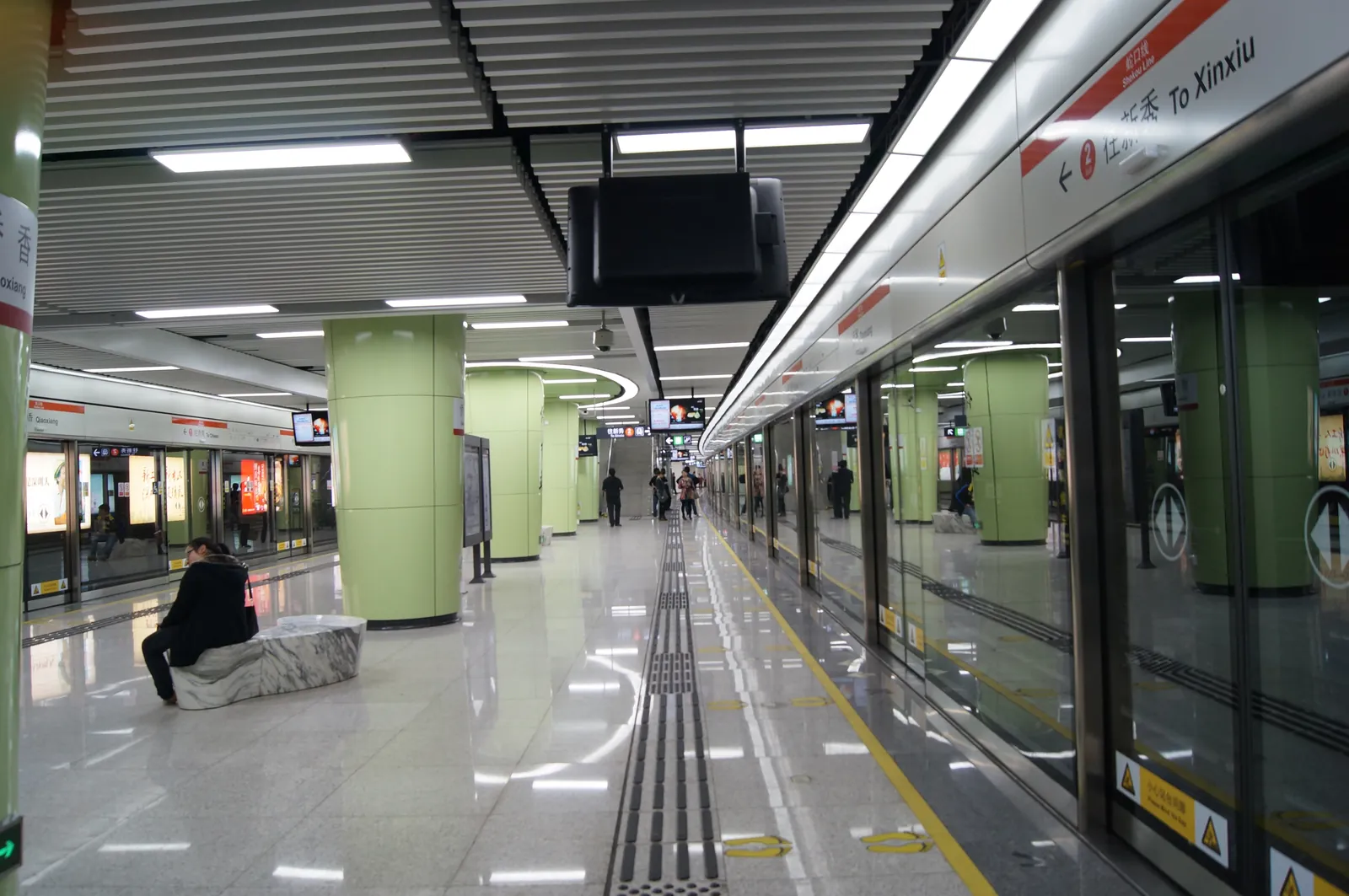
Shenzhen is a metro-first visitor city. Bao'an International Airport sits on the west side of the urban belt; Shenzhen Railway Station (Luohu) and Futian / Shenzhen North high-speed nodes connect the Pearl River Delta and the wider mainland network. For handbook purposes, treat the metro spine as your daily tool: Lines 1 and 3 cover much of the Futian–Luohu tourist grid; Lines 2 and 7 reach Huaqiangbei; Line 12 serves Nantou; Line 9 reaches Shenzhen Bay Park; Line 3 continues toward Dafen and parts of Longgang. Station names and exits matter more than invented walk times — confirm exits on the day. Hong Kong land crossings are the other practical layer. Lo Wu / Luohu, Lok Ma Chau–Futian (Spur Line), Huanggang, and other ports each trade different hours and onward metro links. Futian Checkpoint and Lo Wu have published evening cutoffs; Huanggang is the usual late/24-hour option when a day runs long — always re-check official hours before you rely on them. A same-day Hong Kong ↔ Shenzhen trip is workable if you protect return time; overnighting in Luohu or Futian removes that clock from the middle of your plan. Payment and SIM setup are China-wide, not Shenzhen-only. Soft-link the mobile-payment guide and entry articles rather than rebuilding them here. Soft note on taxis and ride-hail: QR wallets and Chinese-language map apps dominate; do not invent fleet prices or airport bus headways in this handbook.
Airports, HSR, metro spine
Fly into Bao'an when Shenzhen is your base; use HSR into Futian or Shenzhen North when you arrive from other mainland cities. Inside the visitor belt, metro beats traffic for Huaqiangbei, Civic Center, OCT/Qiaocheng, Nantou, and the bay. Keep a working data plan — gates and payments assume connectivity.
Hong Kong land crossings
Pick the crossing for your return plan, not only for morning convenience. Day-trippers often use Futian for a direct Line 4/10 start into the CBD grid; Luohu suits Lo Wu / East Rail habits and overnight Luohu bases. Confirm passport, visa or visa-free eligibility, and checkpoint hours before you treat any crossing as a timetable.
Districts and landmarks
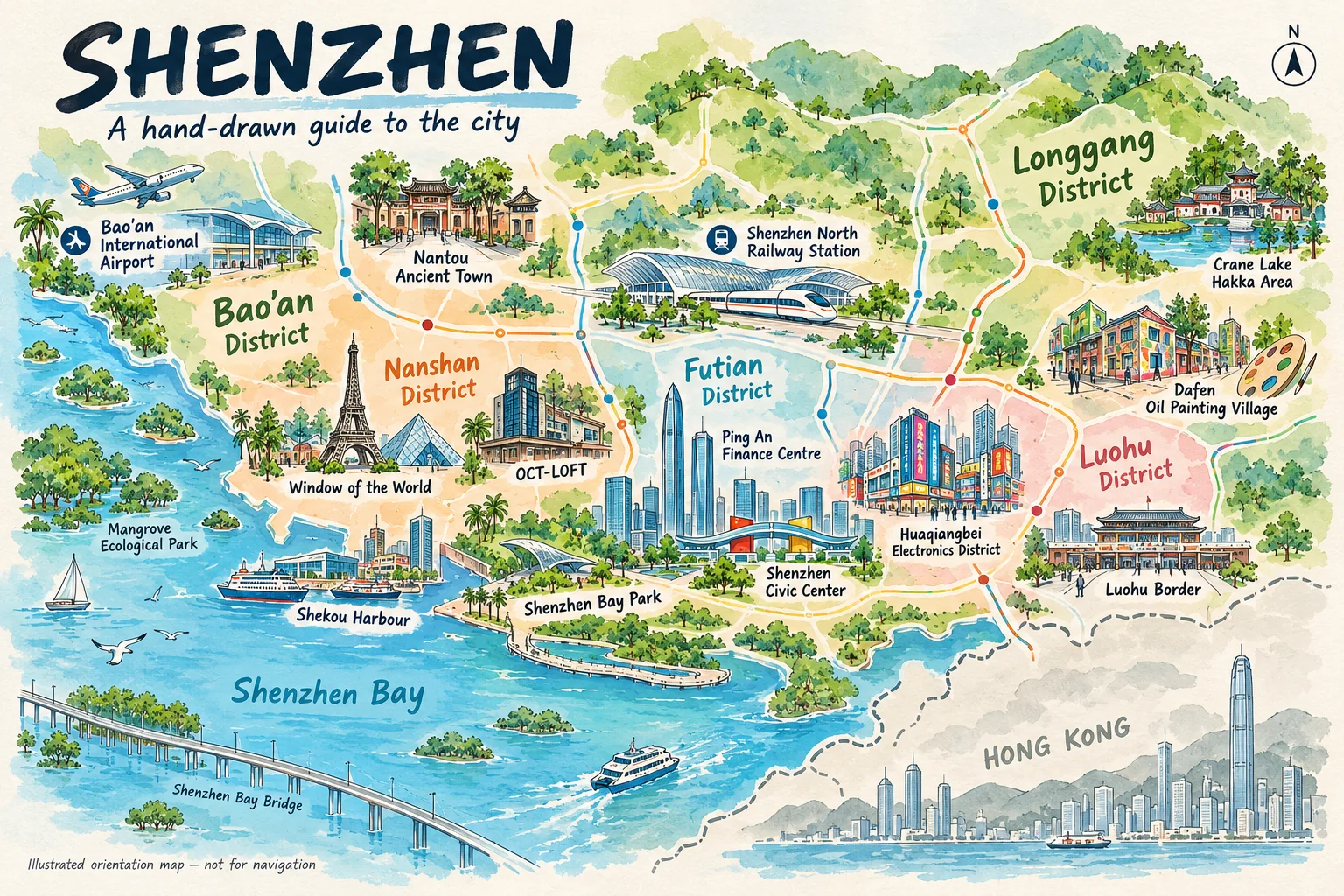
Districts on this map: Luohu · Futian · Nanshan · Longgang · Bao'an
- Luohu borderLuohu
- HuaqiangbeiFutian
- Futian / CBDFutian
- Civic CenterFutian
- Nanshan / bayNanshan
- OCT / LOFTNanshan
- NantouNanshan
- Window of the WorldNanshan
- ShekouNanshan
- DafenLonggang
- Hakka / Crane LakeLonggang
- Bao'an AirportBao'an
Attractions
Attractions below are grouped for first-time pacing: Futian/Luohu height and grids, Nanshan old town and bay, Longgang creative and Hakka half-days. Ticket prices and opening hours on this page follow a verified-only rule — we do not invent RMB figures or clocks. Where a number is not verified in this handbook pass, the practical note says to check the official site or the linked spoke (spokes carry their own checked dates). Official and on-the-ground notices always win.
Ping An Finance Centre Free SkyFutian
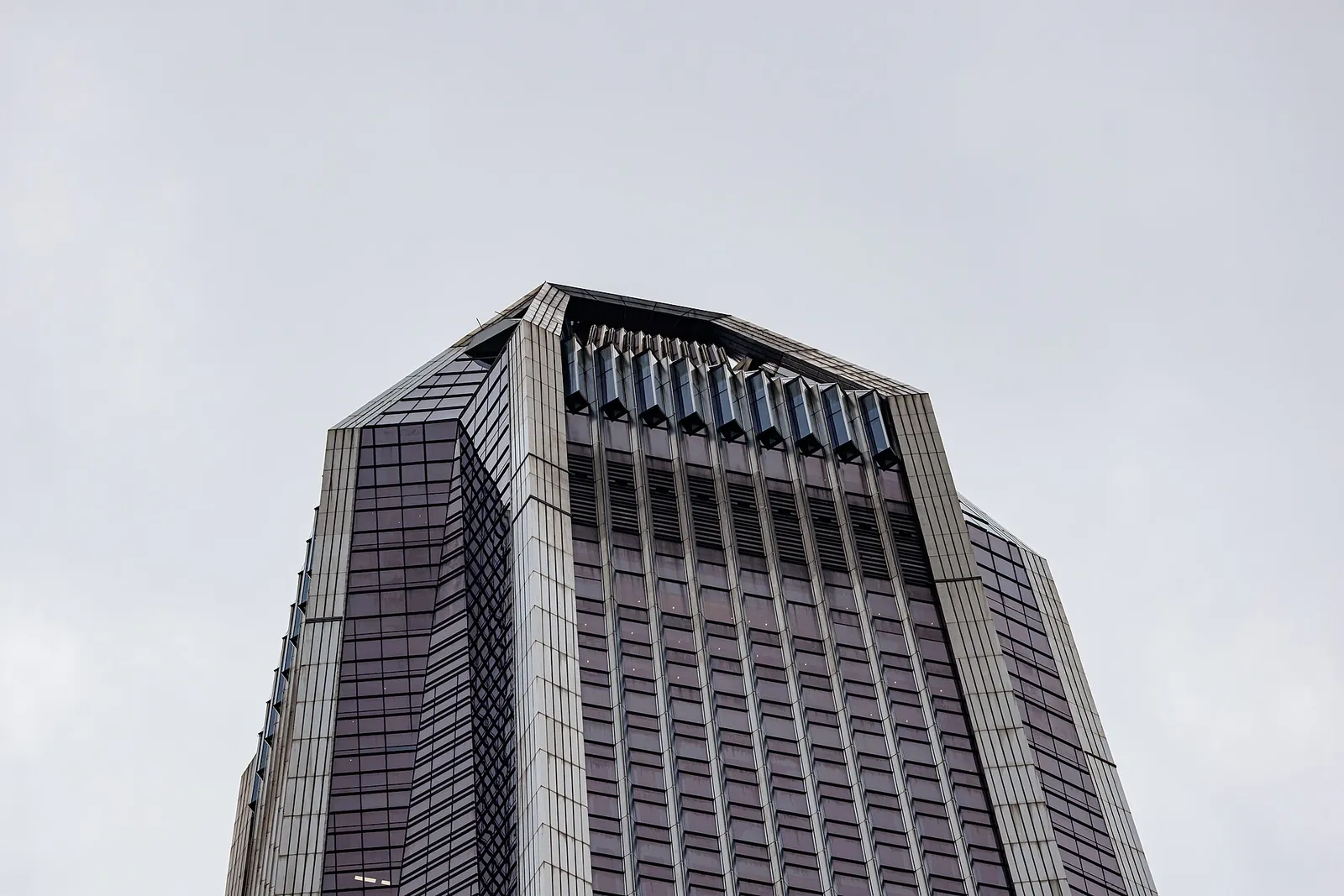
Photo: Dinkun Chen / Wikimedia Commons (CC BY-SA 4.0) High observation deck in Futian CBD — the classic glass-tower contrast to Huaqiangbei's solder floors. Pair lightly with architecture context, not as a same-hour rush with every other Futian stop. Metro toward Shopping Park / CBD exits; confirm last-entry cutoffs the day you go.
Practical: check official site
Huaqiangbei electronics districtFutian
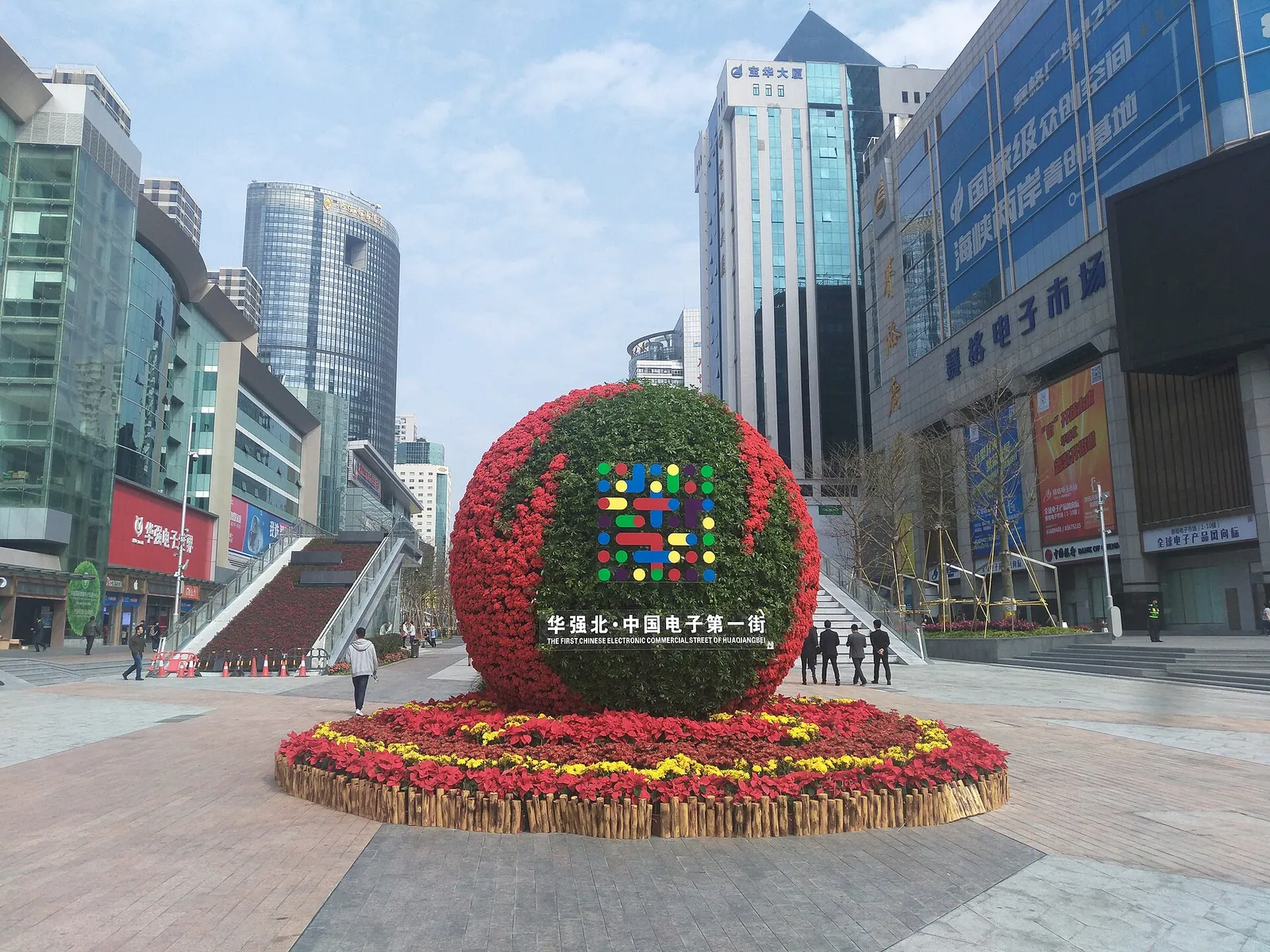
Photo: 千里走单骑 / Wikimedia Commons (CC BY-SA 3.0) Free-to-explore multi-story component and gadget halls (SEG Plaza and neighbours). Wholesale energy mid-morning through late afternoon; not a souvenir mall. Watch trades, then decide if you are buying — English tags are rare.
Practical: check official site / stall clocks vary — see spoke
Shenzhen Museum of History and Folk CultureFutian
Civic Center museum for SEZ origin texture — tools, permits, and early skyline photos rather than another deck view. Soft closure pattern on many mainland museums: plan around Mondays. Metro to Civic Center; use Exit B toward the museum courtyard when signed.
Practical: check official site
Nantou Ancient TownNanshan
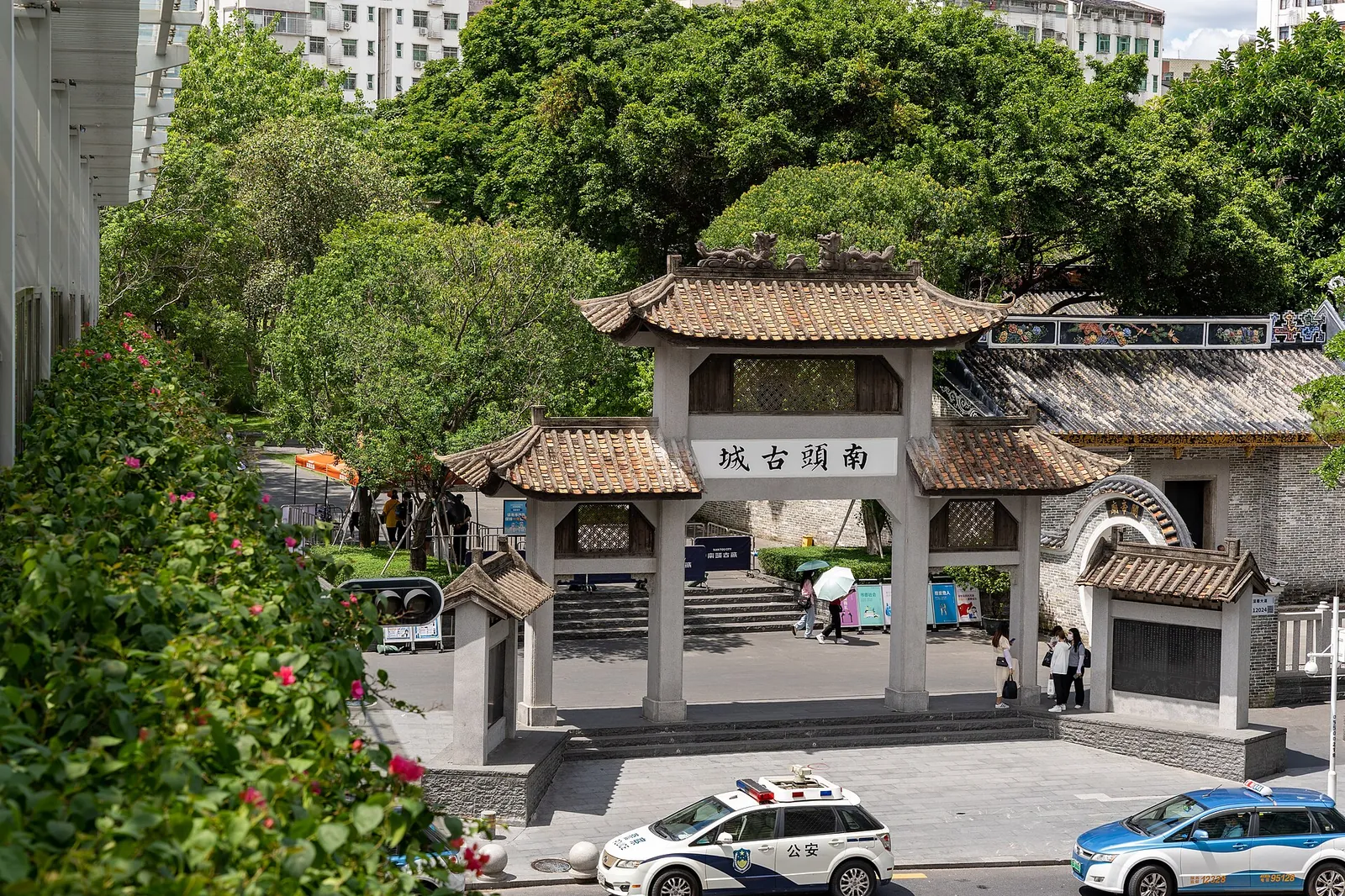
Photo: Iswzo / Wikimedia Commons (CC BY-SA 4.0) Free public streets around a Ming south gate: heritage lanes, cafes, galleries, and residents' laundry in the same frame. Metro Line 12 toward Nantou Ancient City / south gate. Indoor museum and shop hours vary — treat daytime for lanes, evening for food neon.
Practical: check official site
OCT-LOFTNanshan
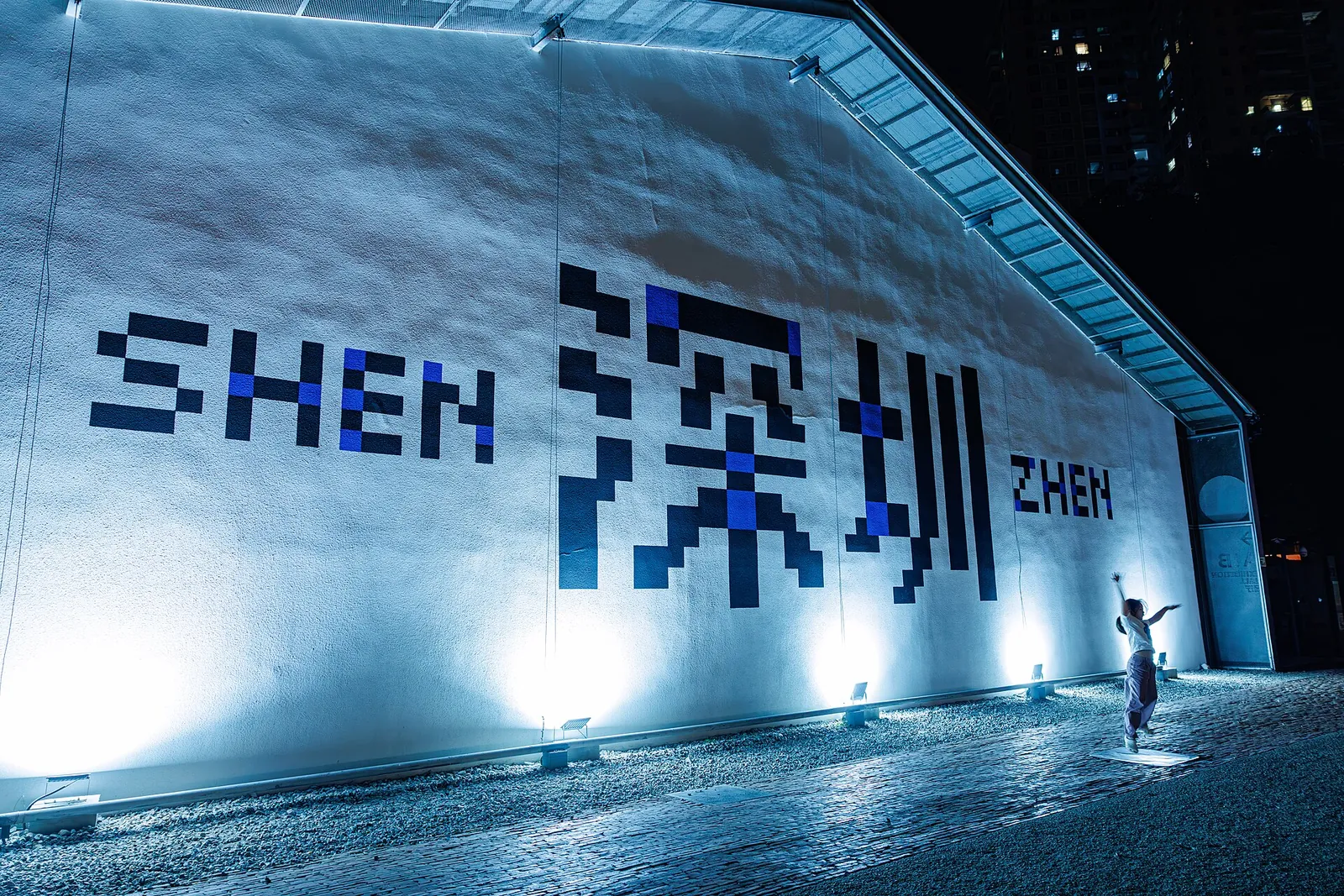
Photo: Dinkun Chen / Wikimedia Commons (CC BY-SA 4.0) Former factory yards turned design and gallery campus near Overseas Chinese Town / Qiaocheng. Circulation is generally open; individual shops and shows set their own clocks. Suits a half-day with coffee and exhibitions — not the same visit as Window of the World's ticketed park next door.
Practical: check official site
Shenzhen Bay Park & mangrove edgeNanshan
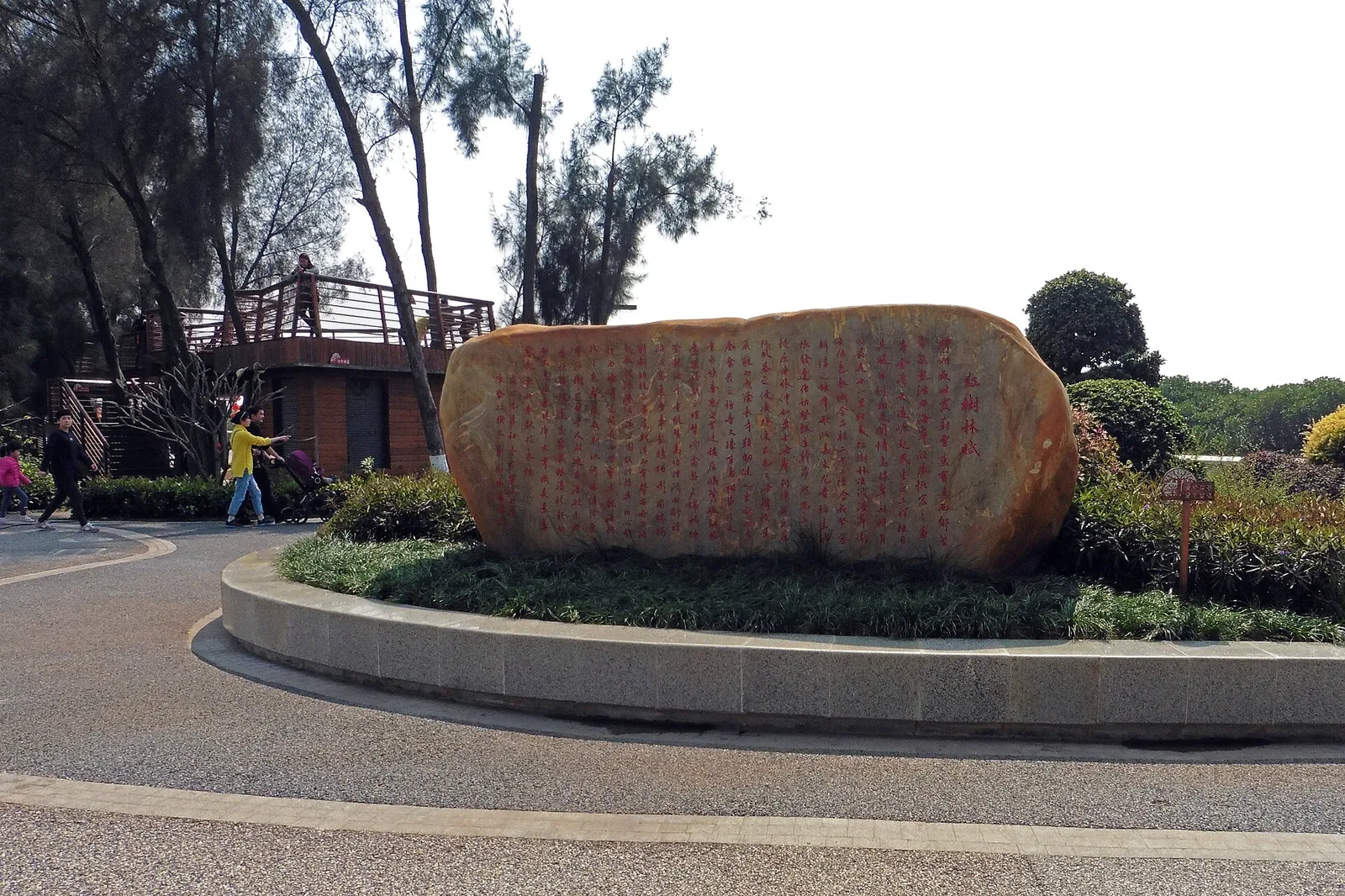
Photo: Chris from Shenzhen, China / Wikimedia Commons (CC BY-SA 2.0) Bay boardwalks and parkland with a mangrove reserve edge — stick to public paths; interior reserve access may need a permit. Metro Line 9 toward Shenzhen Bay Park. Good late-day wind-down after Nantou or OCT.
Practical: check official site
Dafen Oil Painting VillageLonggang
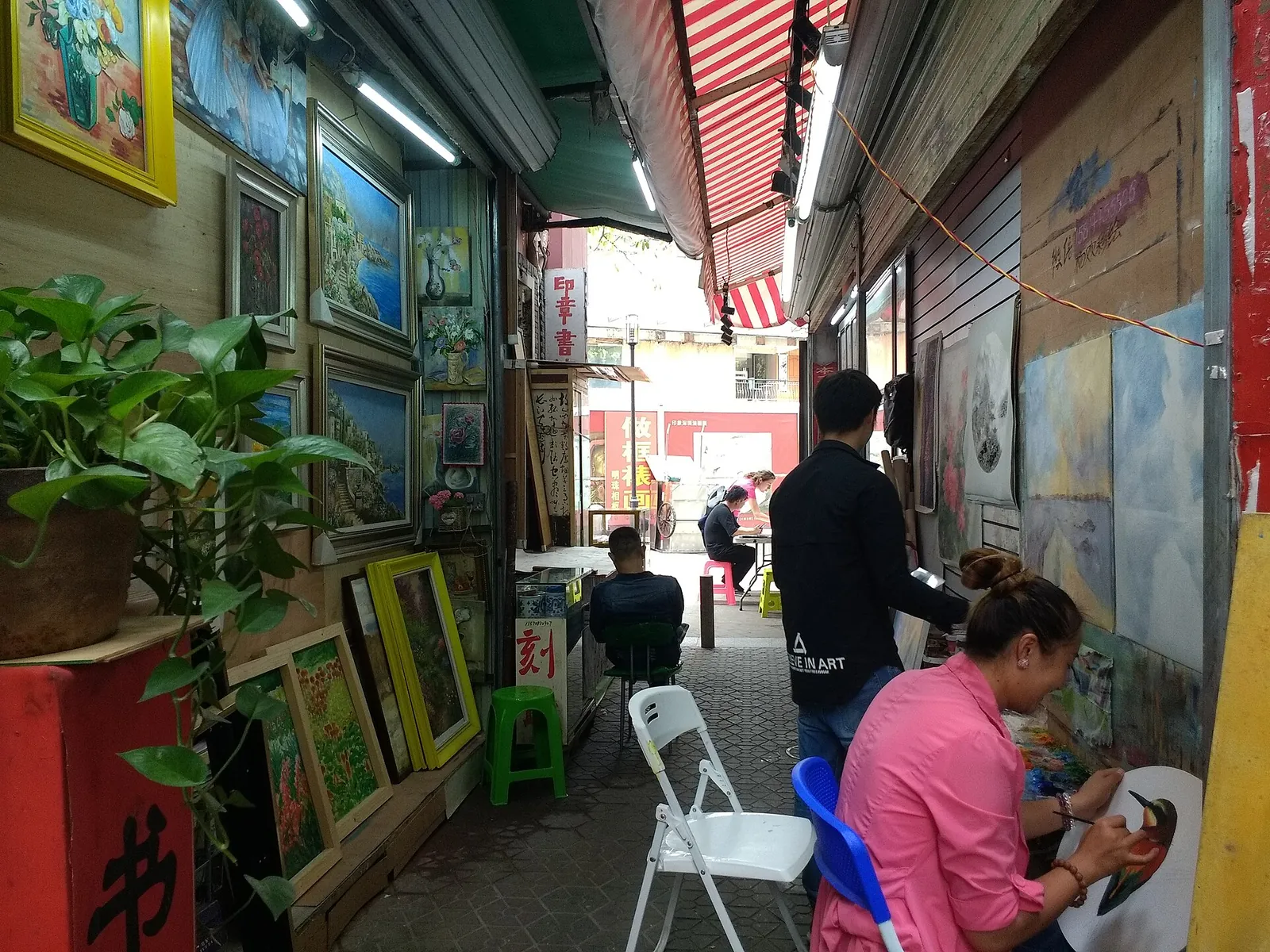
Photo: Mx. Granger / Wikimedia Commons (CC0) Free painting alleys and studios east of the Futian core — stretchers, solvent, and street commerce. Metro Line 3 to Dafen. The art museum is a separate indoor stop with its own closure days; confirm before you build a Monday plan around it.
Practical: check official site
Crane Lake Fort & Hakka trailsLonggang
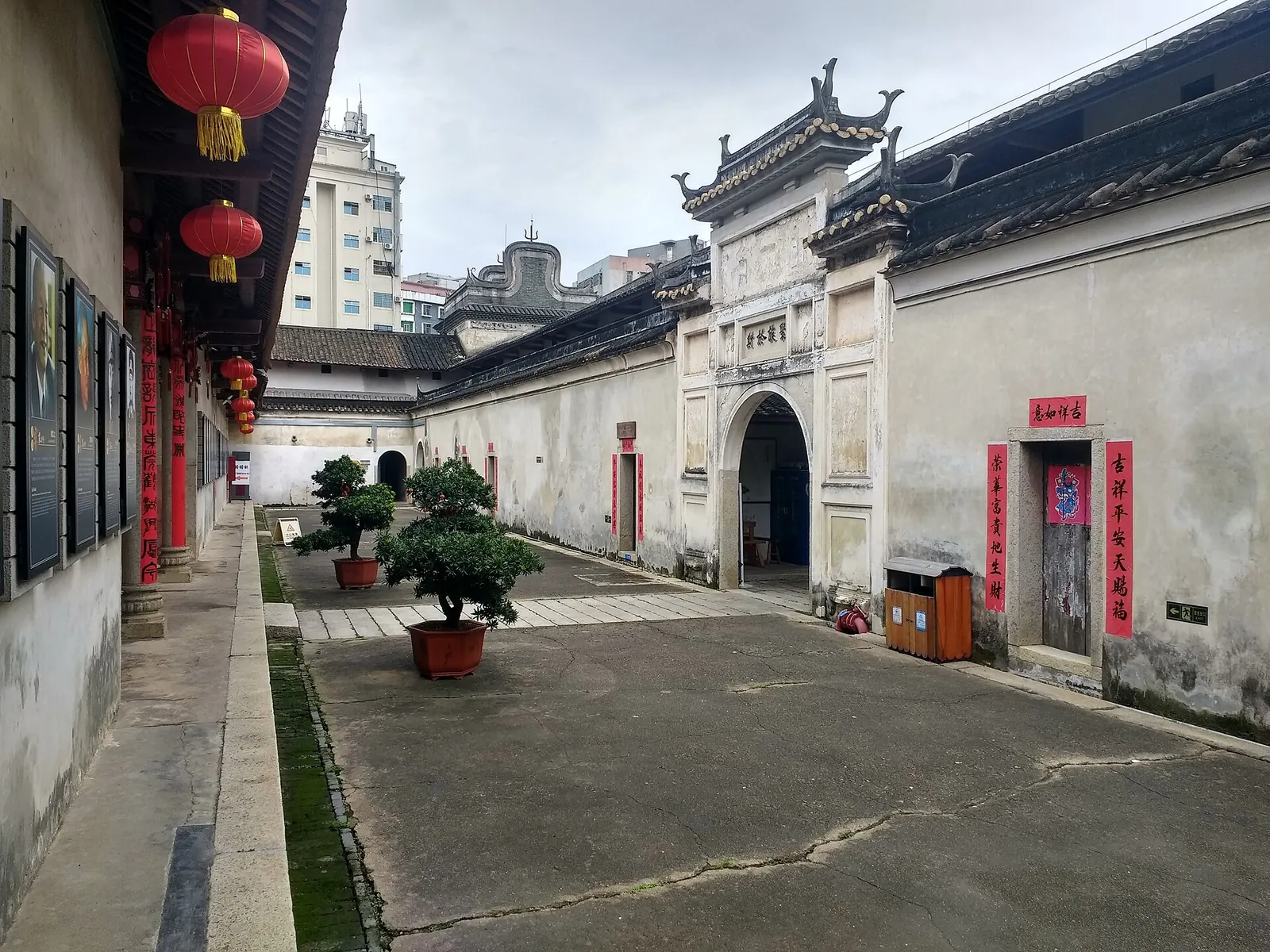
Photo: Mx. Granger / Wikimedia Commons (CC0) Hakka weiwu and related townscapes (Crane Lake Fort / folk museum; optional Gankeng) — half-day or full-day Longgang commitments. Rammed earth, clan halls, and uneven stone; flat shoes help. Not a Futian lunch add-on.
Practical: check official site
Window of the WorldNanshan
Ticketed miniature-landmarks park near OCT — family-paced and time-hungry. First-timers short on days usually prefer OCT-LOFT or Nantou over this park. Confirm current tickets and hours before you dedicate a day.
Practical: check official site
Shekou harbour edgeNanshan
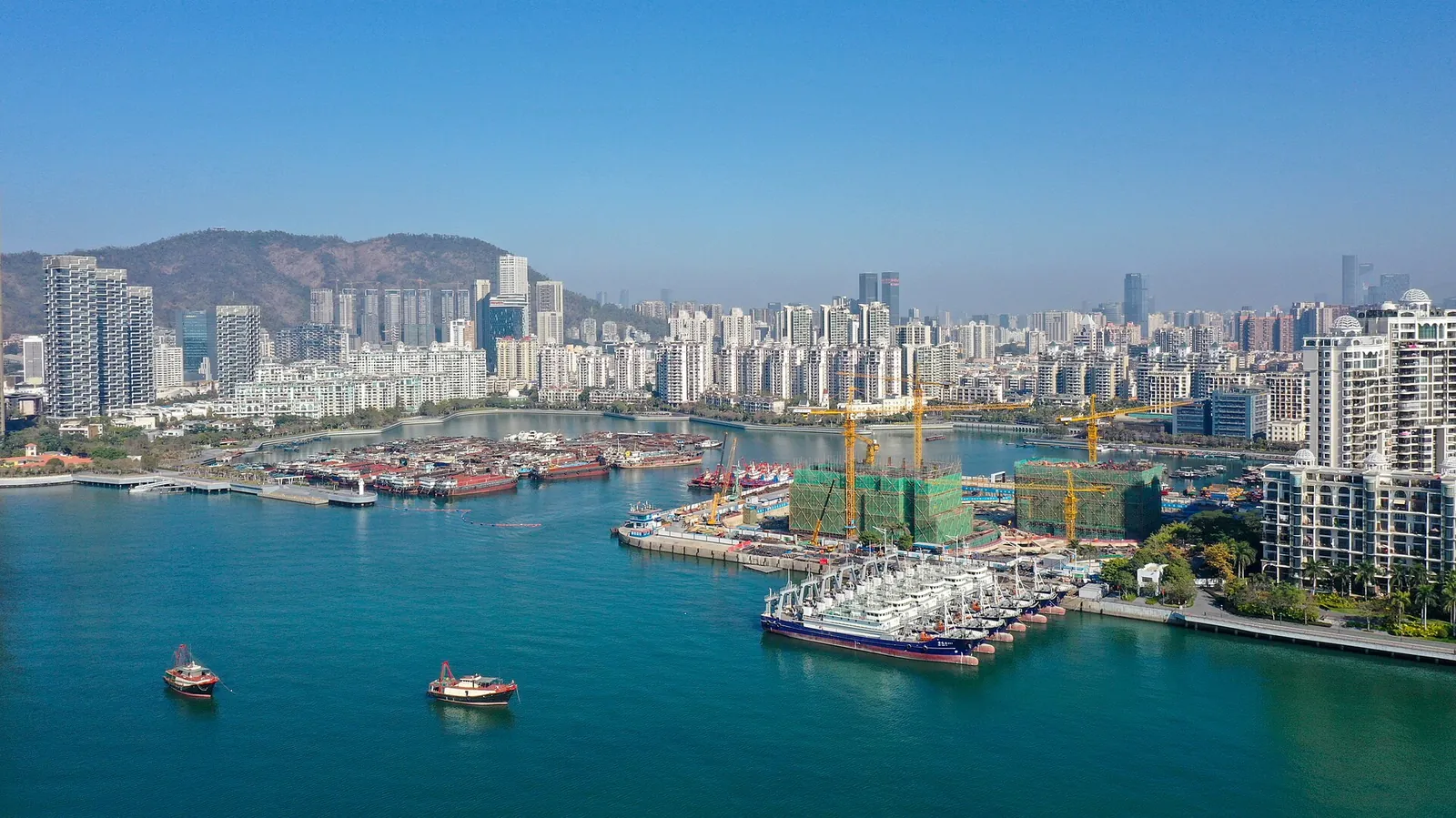
Photo: Charlie fong / Wikimedia Commons (CC BY-SA 4.0) Fishing-port memory under newer towers: wet-market seafood ritual (buy live, pay a processing kitchen) and evening harbour walks. Metro toward Dongjiaotou / Shekou Old Street area. Food depth lives in the seafood spoke — this is the map pin, not a restaurant list.
Practical: check official site / market clocks vary
Food
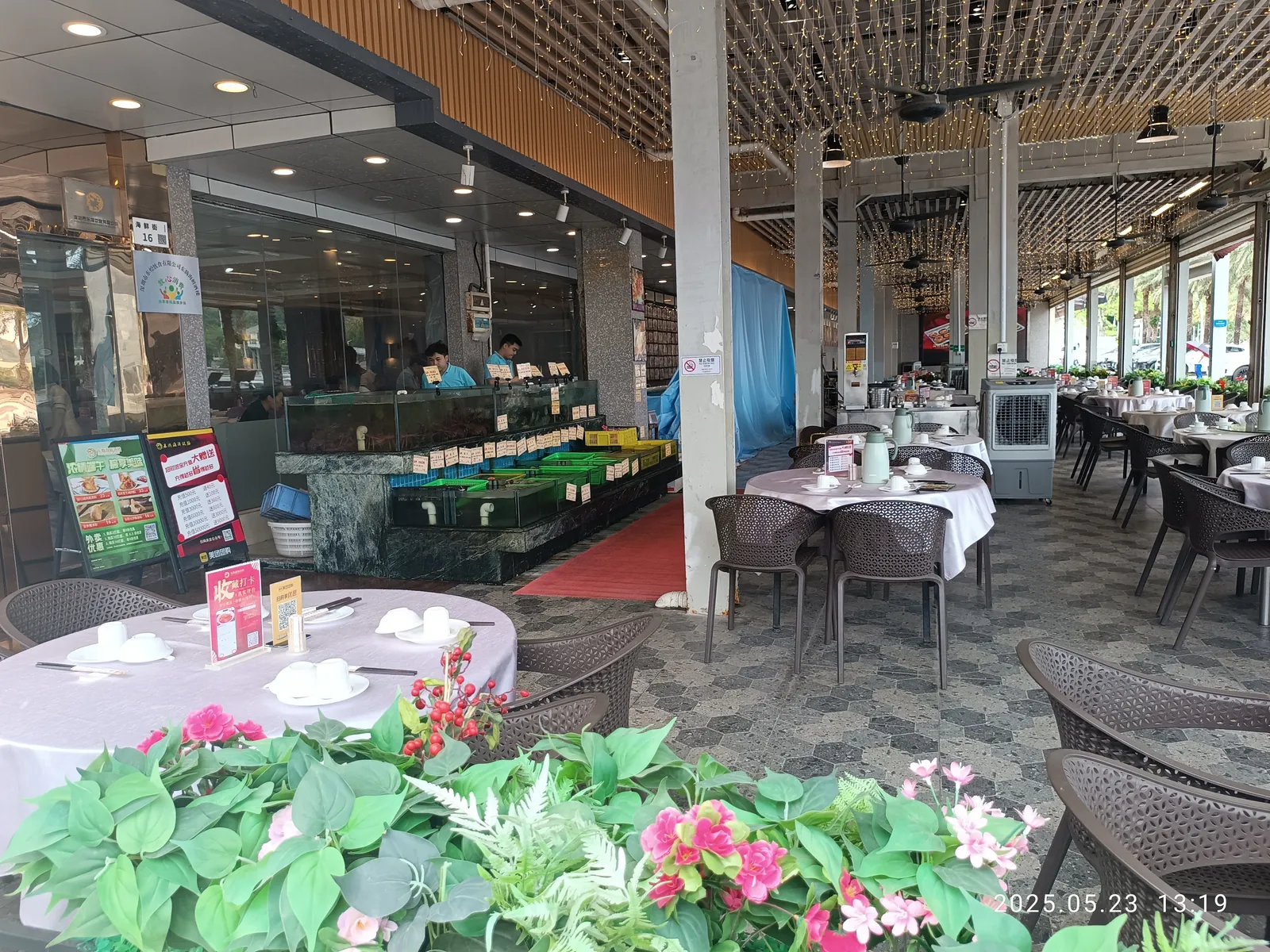
Shenzhen eats like an immigrant city. Chaoshan beef hotpot — clear bone broth, hand-sliced cuts, sandacha dip — is the comfort language across Futian, Nanshan, and Luohu chain and neighbourhood houses. Order by cut map (Diaolong, Baling, beef balls), cook briefly, and treat dinner peak roughly as the crowded window without inventing a single shop timetable. Soft-link the immigrant food spoke for ordering detail. Harbour Shenzhen is a different ritual. In Shekou, the classic move is buy live seafood by the jin at the wet market, then hand bags to a neighbouring kitchen for a processing fee — steaming or flash-frying noted at the door. That is salt and scale, not interchangeable with inland hotpot. Pair the two on different nights if you have the days; do not force both after a long metro afternoon. Practical neighbourhood cues: eat near Huaqiangbei or Futian when your day is the electronics/CBD grid; look toward Nanshan/Shekou when your day ends on the bay or Nantou; treat Longgang food as part of a Hakka or Dafen half-day rather than a cross-city dinner raid. This handbook does not publish restaurant rankings or invented stall hours — confirm live branches on map apps and trust door notices.
Immigrant kitchens
Chaoshan houses and other regional kitchens are everyday Shenzhen, not tourist theatre. Expect busy dinner service; arrive earlier or later if you want a shorter wait. Spend bands vary by how many beef plates you mark — see the food spoke rather than treating any figure here as a booking quote.
Harbour seafood
Shekou's buy-and-process pattern keeps the wet floor in the meal. Check scales, confirm the processing board, and expect messy shells. Soft market window is morning through early evening — not a published municipal timetable for every stall.
Lodging bases
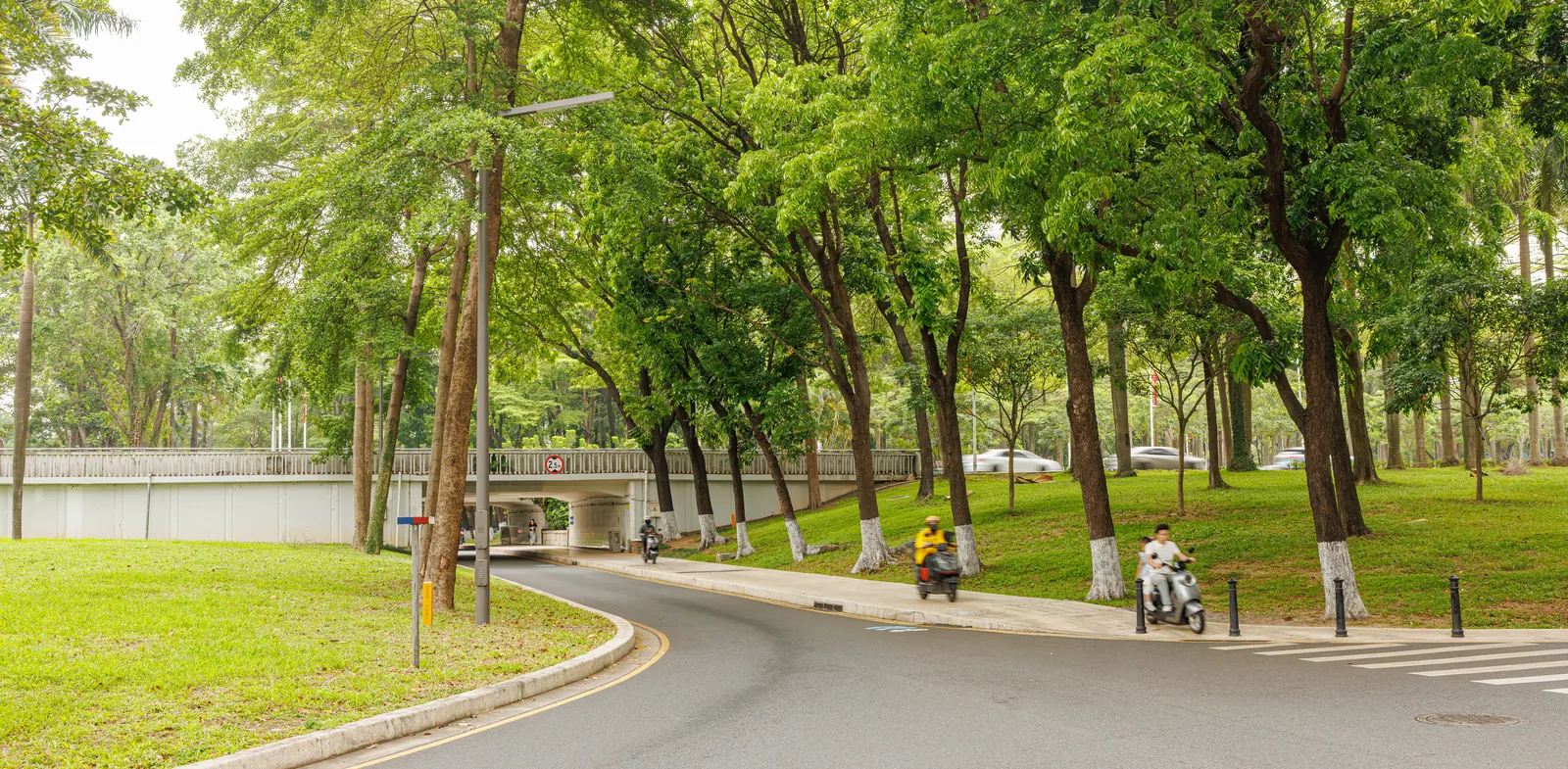
Stay by district, not by hotel brand. For first visits, base in Luohu, Futian, or Nanshan — those three cover border access, the CBD/metro spine, and bay/OCT neighbourhoods. China by Road does not publish a Shenzhen hotel list or affiliate ranking; this site has no dedicated Shenzhen lodging guide yet. Pick a metro-adjacent address in one of the bases below and plan days outward.
Luohu
Border-hinge base near Lo Wu / Shenzhen Railway Station energy. Best when you cross to or from Hong Kong often, arrive by conventional rail, or want older commercial streets as your nightly return. Metro links east–west toward Futian; expect denser, older urban fabric than Nanshan bay towers.
Futian
CBD and metro-spine base — Civic Center, Shopping Park, Huaqiangbei within short rides. Best default for first-timers who want Free Sky, museum, and electronics days without long repositioning. Also convenient for Futian Checkpoint day trips back to Hong Kong.
Nanshan
Bay, OCT/LOFT, Nantou, and Shekou base. Best when your trip skews design campuses, ancient-town alleys, mangrove walks, or harbour seafood. Slightly longer hops to Huaqiangbei/Dafen than a Futian bed — worth it if evenings matter more than morning solder floors.
Shopping
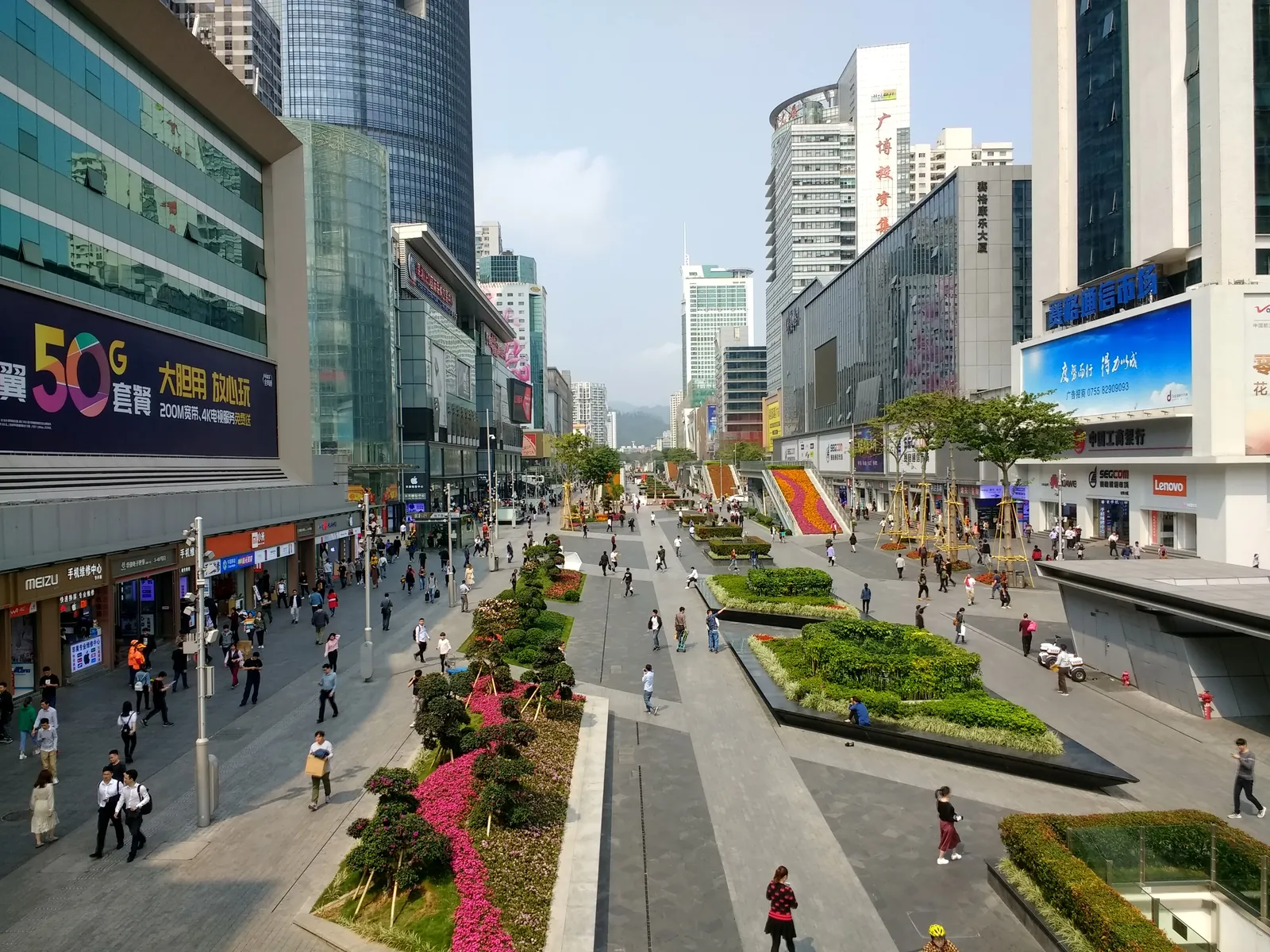
Huaqiangbei is the electronics and components headline: free floors, wholesale tempo, mid-morning to late-afternoon stall energy. Go to watch the grid even if you buy nothing; if you do buy, know what you are looking for and treat "too cheap / no return clarity" as a warning, not a bargain signal. Soft-link the Huaqiangbei spoke for depth. China Haul shopping — fashion, accessories, and broader haul culture aimed at visitors who want more than chips — has its own orientation article. Tax-refund rules for eligible purchases are China- and retailer-dependent: use the tax-refund spoke for process and eligibility, and do not invent rebate percentages here. Malls in Futian and Nanshan add conventional retail if you need a quieter contrast to wholesale halls. Practical honesty: this handbook orients and soft-links; it does not paste full haul or refund guides into the page. Confirm participating shops and departure refund points on official channels for your exit port.
3-day Shenzhen skeleton
Futian height and the electronics grid
Morning: Civic Center museum and/or Ping An Free Sky (confirm last entry). Midday: lunch near Futian. Afternoon: Huaqiangbei floors — watch the wholesale tempo before you buy. Evening: Chaoshan hotpot or a simpler Futian/Luohu dinner. Soft-link architecture, Huaqiangbei, and immigrant food spokes for depth.
Dafen paint alleys and OCT-LOFT
Morning: Metro Line 3 to Dafen — free alleys; check museum Monday closures if that is your indoor plan. Afternoon: OCT-LOFT factory yards and galleries near Qiaocheng (prefer LOFT over Window of the World unless you want a ticketed theme day). Keep evening light; Longgang + OCT is already a long metro arc.
Nantou alleys and Shenzhen Bay
Morning: Nantou Ancient Town south-gate lanes (free public streets). Afternoon: Shenzhen Bay Park boardwalks and mangrove edge — public paths only. Optional evening Shekou seafood if legs allow; otherwise sleep early for a Hong Kong exit or onward HSR. Soft-link Nantou and bay spokes.
Deeper reading: Three-day itinerary (article)
5-day Shenzhen skeleton
Border orientation and Luohu / Futian settle-in
Arrive via airport, HSR, or Hong Kong crossing. Keep Day 1 light: metro orientation, one short Futian or Luohu walk, payment and SIM checks if not done. Do not stack Free Sky and Huaqiangbei on arrival day unless you landed early and rested.
Futian CBD, museum, Huaqiangbei
Full Futian spine: museum and/or Free Sky in the morning window, Huaqiangbei mid-day through afternoon. Same logic as 3-day Day 1, with more buffer for queues and Monday closures. Dinner in the immigrant-kitchen lane.
Dafen and creative clusters
Dafen alleys plus optional art museum; afternoon OCT-LOFT or a slower creative walk. This is the paint-and-factory day — protect travel time on Line 3 and back west.
Nantou and the bay edge
Nantou morning; Shenzhen Bay afternoon. Optional Shekou wet-market seafood dinner if you want harbour ritual after the boardwalk. Soft-link seafood spoke; confirm market energy before you commit.
Hakka half-day or slower harbour — plus buffer
Choose one: Longgang Hakka (Crane Lake / Gankeng) as a half-day history close, or a slower Shekou/bay morning if Day 4 was rushed. Keep afternoon flexible for shopping returns, tax-refund paperwork, or a Hong Kong re-cross. Do not invent a fifth packed checklist — the buffer is the point of five days.