The Village Behind the Minister's Walls: Guoyu Ancient Town and Haihui Temple
Guoyu, next to Huangcheng Xiangfu, is a walled Ming–Qing village where people still live, with the tall Yulou refuge tower; Haihui Temple's twin pagodas are a short ride away. Both come with the 150-yuan ticket.
Published
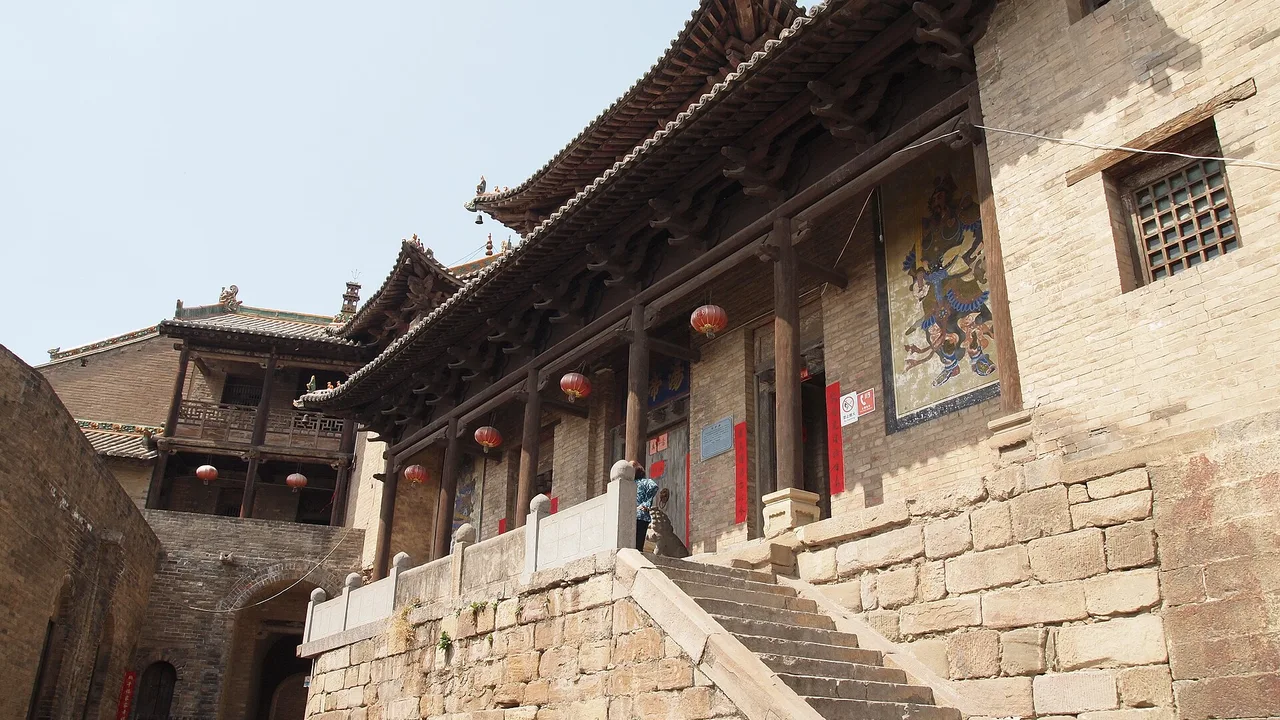
Yes, if you have the 150-yuan Huangcheng ticket. Guoyu (郭峪古城), a short walk from Huangcheng Xiangfu, is a walled Ming–Qing village that people still live in, with a tall refuge tower, the Yulou. Haihui Temple (海会寺), a short ride away, has twin pagodas and a link to the Chen family's schooling. Give the pair three hours.
What is Guoyu?
Guoyu is the village that grew around and beside the Chens' fortress, and in many ways it is the more interesting place. In the late Ming, villagers built their own wall and the Yulou (豫楼), a tall square tower for sheltering against raiders. Inside the walls are lanes of stone and brick houses, a temple to the legendary ruler Tang, and courtyards where families still hang washing and sell snacks. It is marketed as one of China's finest walled villages. It feels less like a show and more like a place.
If Huangcheng Xiangfu is the minister's house, Guoyu is the neighbourhood. Walking from one to the other takes in the whole social picture: the great family and the villagers who built their own defences next door.
What should you do there?
Climb the Yulou if it is open, for a view over the roofs to Huangcheng. Then wander without a plan; the village is small enough that you will not get lost. In the summer holidays, according to a 2026 travel article, there have been free night events with acrobatics and the molten-iron fireworks show. Do not plan an autumn trip around them.
And Haihui?
Haihui Temple, now marketed as Haihui Academy (海会书院), is an old Buddhist temple with two brick pagodas of very different sizes, the taller one from the Ming. Local tradition links it to the education of the Chen family, hence the academy name. It is a quieter stop of about an hour. The county government's 2024 price list shows 30 yuan for Haihui alone and 30 more to climb the pagoda; the 150-yuan four-site ticket covers first entry, though whether it covers the climb is unclear, so ask at the gate.
Tickets and hours — what should you check?
Checked October 2026 (Asia/Shanghai). The operator's official site (gygcjq.com) and WeChat ticketing win over this page.
Ticket. Guoyu and Haihui are included in the 150-yuan Huangcheng four-site ticket, which travel articles describe as valid three days, with shuttles between sites. Guoyu's single ticket is listed at about 60 yuan in travel articles; we did not find it on an official page.
Hours. Guoyu: summer 8:00–18:00 (18:30 on Fridays, Saturdays and holidays), winter 8:00–17:30.
Phone. 0356-6922226.
How should you order the day?
Huangcheng Xiangfu first, while you are fresh and before the midday shows fill it. Lunch in Guoyu. The village in the afternoon, then Haihui if you still have time and energy, or the next morning, since the ticket lasts. The two-day plan does it that way.
Cover photo: Underbar dk / Wikimedia Commons (CC BY-SA 4.0)
More from Jincheng
- history / 4 min readJincheng's Yuhuang Temple is a Song-founded Daoist complex whose Yuan clay figures of the 28 Lunar Mansions, seen in Black Myth: Wukong, stand in a side hall of the rear court; book online, go on a weekday, allow an hour or two.
- history / 4 min readHuangcheng Xiangfu is the walled family compound of Qing chief minister Chen Tingjing in Yangcheng; choose the 120-yuan ticket for the mansion alone or 150 yuan to add Guoyu and Haihui over three days, and allow half a day.
- history / 4 min readQinglian Temple, 17 km south-east of Jincheng, is one of China's earliest Pure Land temples and keeps rare Tang painted figures; in 2026 the upper temple is closed for repairs while the lower temple is open by online booking.