Shanghai handbook
Full English handbook for first-time visitors: history and culture, transport, attractions, food, lodging bases, shopping, a China by Road hand-drawn orientation map, and inline 3- and 5-day itinerary skeletons — with soft links to one-intent Shanghai articles.
Checked October 2026
Who this handbook is for
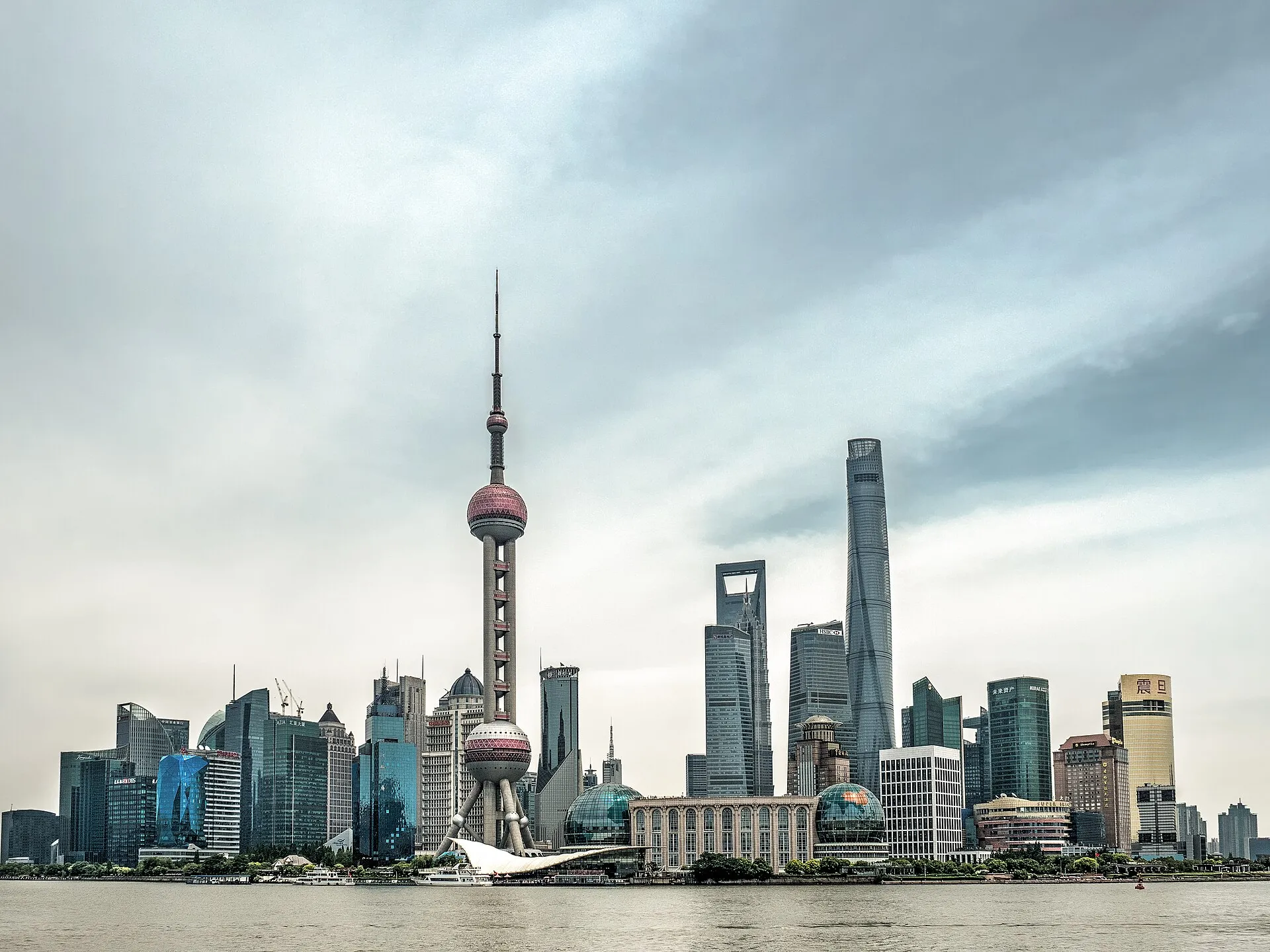
Shanghai suits first-time English-speaking visitors who want Bund classics, shikumen lanes, and a Pudong skyline without treating the towers as the whole story. In a few days you can walk the treaty-port riverfront, duck into lilong courtyards, climb one Lujiazui deck, and eat Haipai and soup dumplings without racing every museum. The city rewards metro pacing more than checklist racing: pick one Huangpu grid in the morning and one neighbourhood in the afternoon, and leave room for an evening Bund or Nanjing Road stroll. How many days? One full day works only if you choose a single spine (Bund + Old Town, or Pudong + one museum). Three days is the first comfortable main line for first-timers. Five days lets you slow the same spine, add Zhujiajiao or a West Bund art half-day, and keep one buffer for rain, Monday museum closures, or a slower food walk. A Suzhou day trip is possible from Shanghai — soft-link that spoke if gardens are your priority — but it spends hours on HSR and loses evening neighbourhood time. If that is your only window, use the day-trip article rather than compressing this handbook into daylight. Before any of that, set up payment and data. Most shops, stalls, and metro gates expect a QR code. Install Alipay or WeChat Pay, link a foreign card, and verify with your passport before you rely on the metro. Soft-link the Shanghai landing tips and the China-wide mobile-payment guide rather than treating any desk as guaranteed. Carry some renminbi cash for stalls that refuse foreign-linked wallets. Entry rules (visa-free, transit, or visa) are separate — confirm them before you plan the map.
History & culture
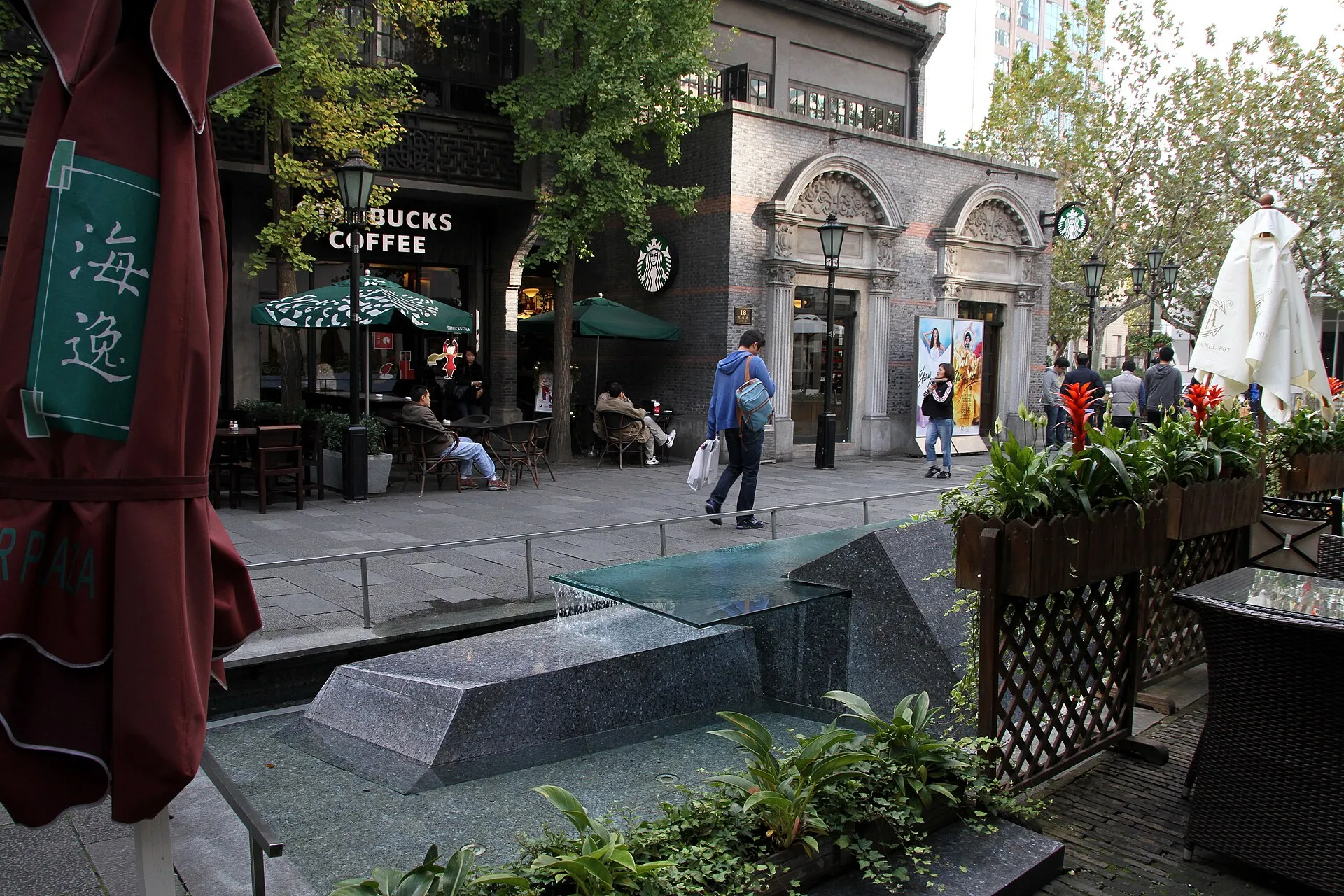
Shanghai's public story runs from treaty-port Bund to contemporary Pudong glass. The riverside facades — banks, customs house, hotel lobbies — are the easiest outdoor read of that century: walk the promenade for stone and Art Deco shadow, then cross or ferry for the east-bank sequel. Soft-link the Bund architecture spoke when you want facade-by-facade depth; this section is orientation, not a rewrite. Behind the riverfront, shikumen lilong keep the domestic grain of the city: stone gates, shared taps, laundry lines, and courtyard life that still sits under the towers. Some lanes are regenerated into cafes and Xintiandi-style commerce; others remain quieter residential fabric. Treat them as lived places, not theme-park freeze-frames — soft-link the shikumen article for lane etiquette and where to start. Other threads sit one metro ride away. Hongkou's Jewish refugee history is a sanctuary story told through museum and neighbourhood lanes. West Bund turns former shipyards and tanks into a waterfront art corridor. Together with People's Square museums and Lujiazui decks, these form the handbook's culture arc: treaty port → lane city → industrial reuse → skyline.
Treaty port and Bund
Start outdoors when the light is soft: Bund promenade for the bank row, Custom House bell, and river traffic. Pair lightly with one indoor lobby or museum later — do not stack every facade photo stop with a same-hour skyline ticket. Soft-link Bund architecture for the deep dive.
Lilong, Hongkou, West Bund
Shikumen lanes repay slow walking more than a checklist. Hongkou's refugee museum needs its own half-day window — confirm tickets and hours on the day. West Bund suits an art afternoon when you want concrete corridors instead of another deck. Stack at most one of these as a full afternoon in a three-day stay.
Transport
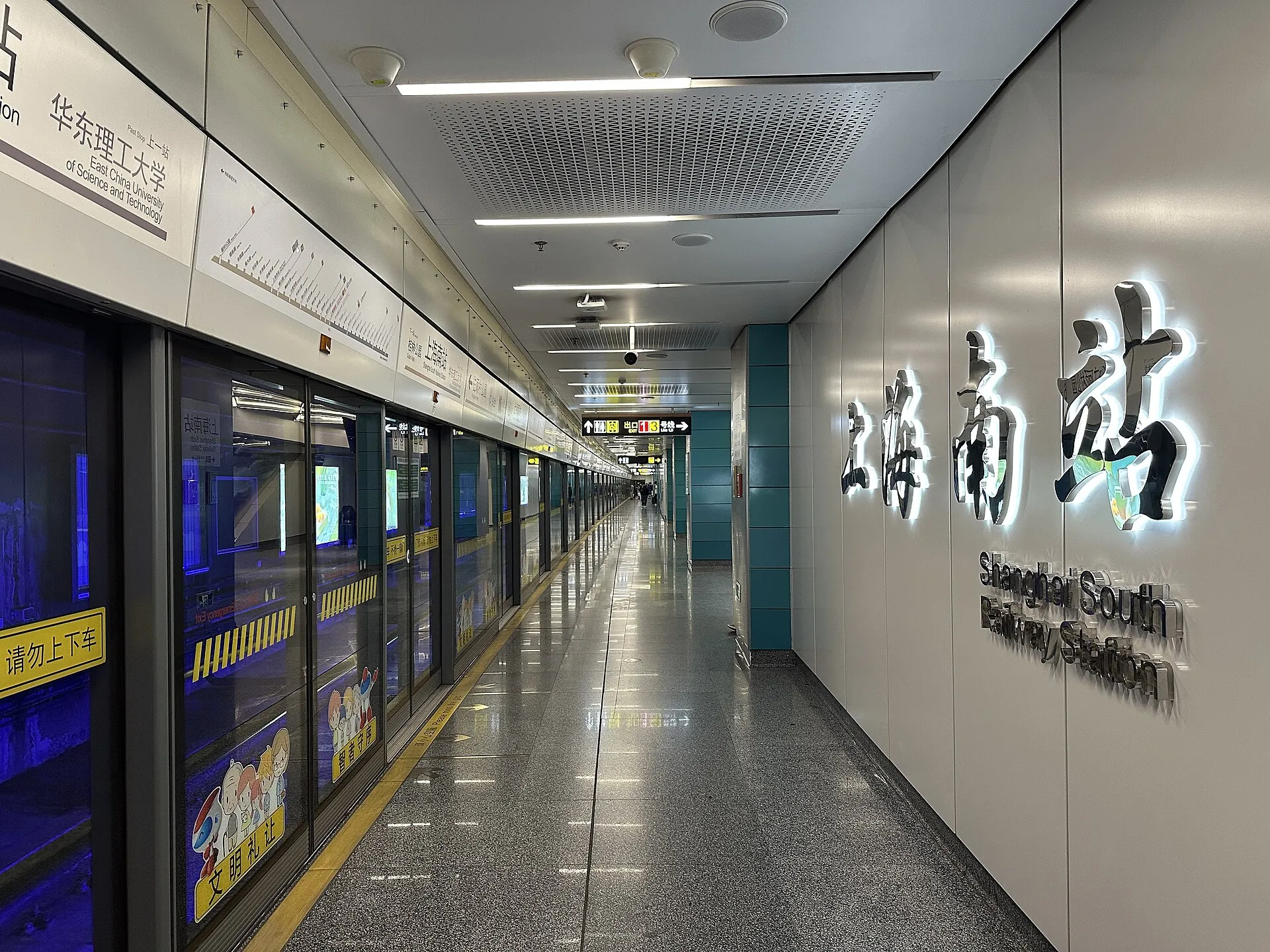
Shanghai is a metro-first visitor city with two main airports: Pudong (PVG) on the east side and Hongqiao (SHA) closer to the western urban belt and high-speed rail. For handbook purposes, treat Maglev (from PVG toward Longyang Road), metro, and airport buses as options you confirm on official boards the day you land — do not invent headways or fixed RMB fares here. Hongqiao Airport sits beside Hongqiao Railway Station; Pudong connects into the metro network and Maglev corridor. Soft-link Shanghai airport payment desks for foreign-card Alipay / WeChat setup when you land. Inside the visitor belt, metro beats traffic for Bund / Nanjing Road / People's Square, Jing'an, Lujiazui, and Line 17 toward Zhujiajiao. Station names and exits matter more than invented walk times — confirm exits on the day. Lines that commonly matter for this handbook's spine include those serving East Nanjing Road / People's Square, Jing'an Temple, Lujiazui, and Qingpu-bound Line 17 — always re-check the official metro map for current routing. Ride-hail (Didi and peers) and taxis are workable with a working Chinese-language map pin and a QR wallet; English dispatch is uneven. Soft note: do not invent fleet prices or "always works" payment claims. Cash taxis still exist; foreign-linked wallets can fail at some gates and stalls. Soft-link mobile payment rather than rebuilding setup steps here. A Suzhou day trip is a common HSR add-on from Shanghai — mention only as an optional spoke, not as part of the lodging base map.
PVG, SHA, and metro spine
Fly into PVG when international long-haul is your path; SHA / Hongqiao when you connect from other mainland cities by air or HSR. Inside central Shanghai, metro covers Huangpu classics, Jing'an connectors, and Pudong Lujiazui. Keep a working data plan — gates and payments assume connectivity. Confirm Maglev and metro last trains on official channels before late arrivals.
Ride-hail, taxis, and payment
Didi and taxis need a clear drop pin and a payment method that actually works at the curb. Set up Alipay or WeChat Pay before you depend on them; carry some cash as backup. Soft-link the Shanghai foreigners payment spoke and the China-wide visa mobile-payment guide — neither promises every stall will accept your card link.
Districts and landmarks
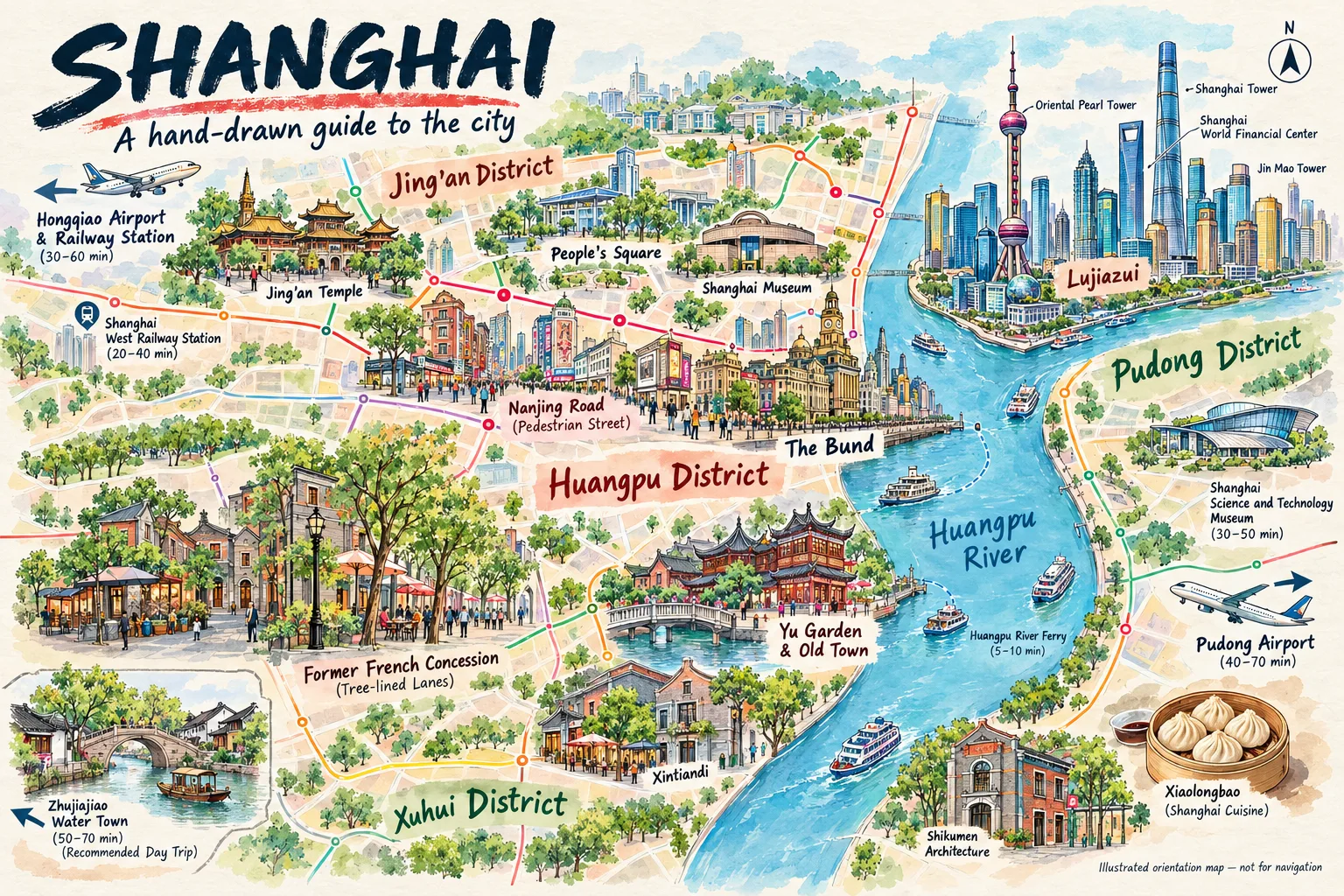
Districts on this map: Huangpu · Jing'an · Pudong
- The BundHuangpu
- Yu GardenHuangpu
- French ConcessionHuangpu
- Jing'an TempleJing'an
- Oriental PearlPudong
- Shanghai MuseumHuangpu
- Nanjing RoadHuangpu
- People's SquareHuangpu
- Toward PVGPudong
- Toward SHAJing'an
Attractions
Attractions below are grouped for first-time pacing: Huangpu riverfront and Old Town, French Concession and Jing'an fabric, Pudong skyline, one primary museum, and an optional water-town day. Ticket prices and opening hours on this page follow a verified-only rule — we do not invent RMB figures or clocks. Where a number is not verified in this handbook pass, the practical note says to check the official site or the linked spoke (spokes carry their own checked dates). Official and on-the-ground notices always win.
The BundHuangpu
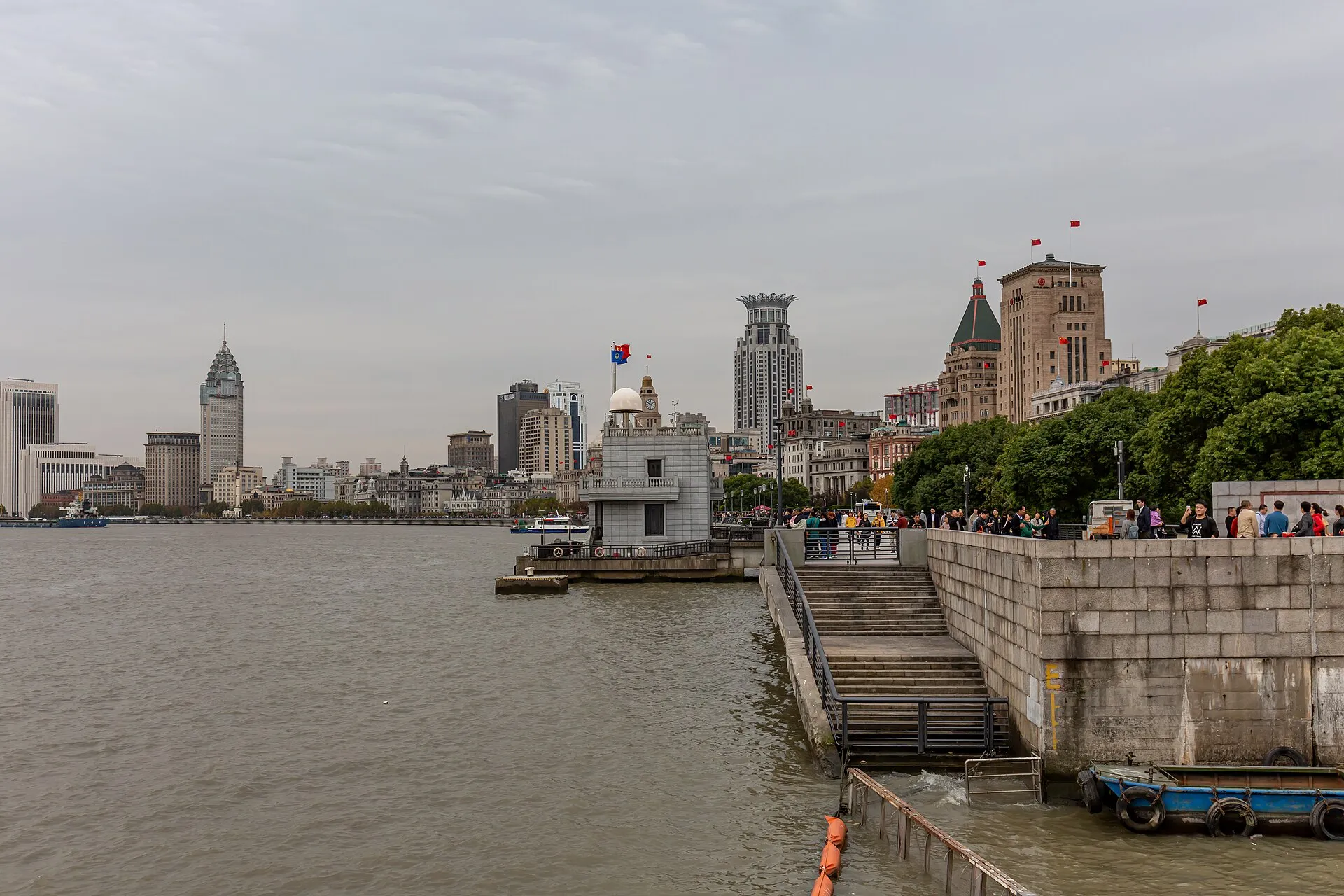
Photo: Balon Greyjoy / Wikimedia Commons (CC0) Free riverside promenade opposite Lujiazui — treaty-port bank facades, Custom House silhouette, and the classic east-bank skyline view. Best as a walk with soft light or evening neon, not a same-hour rush with every Old Town ticket. Metro toward East Nanjing Road / Bund exits; confirm which exit lands you on the promenade the day you go.
Practical: check official site / promenade is free public space — indoor sites vary
Yu Garden / Old TownHuangpu
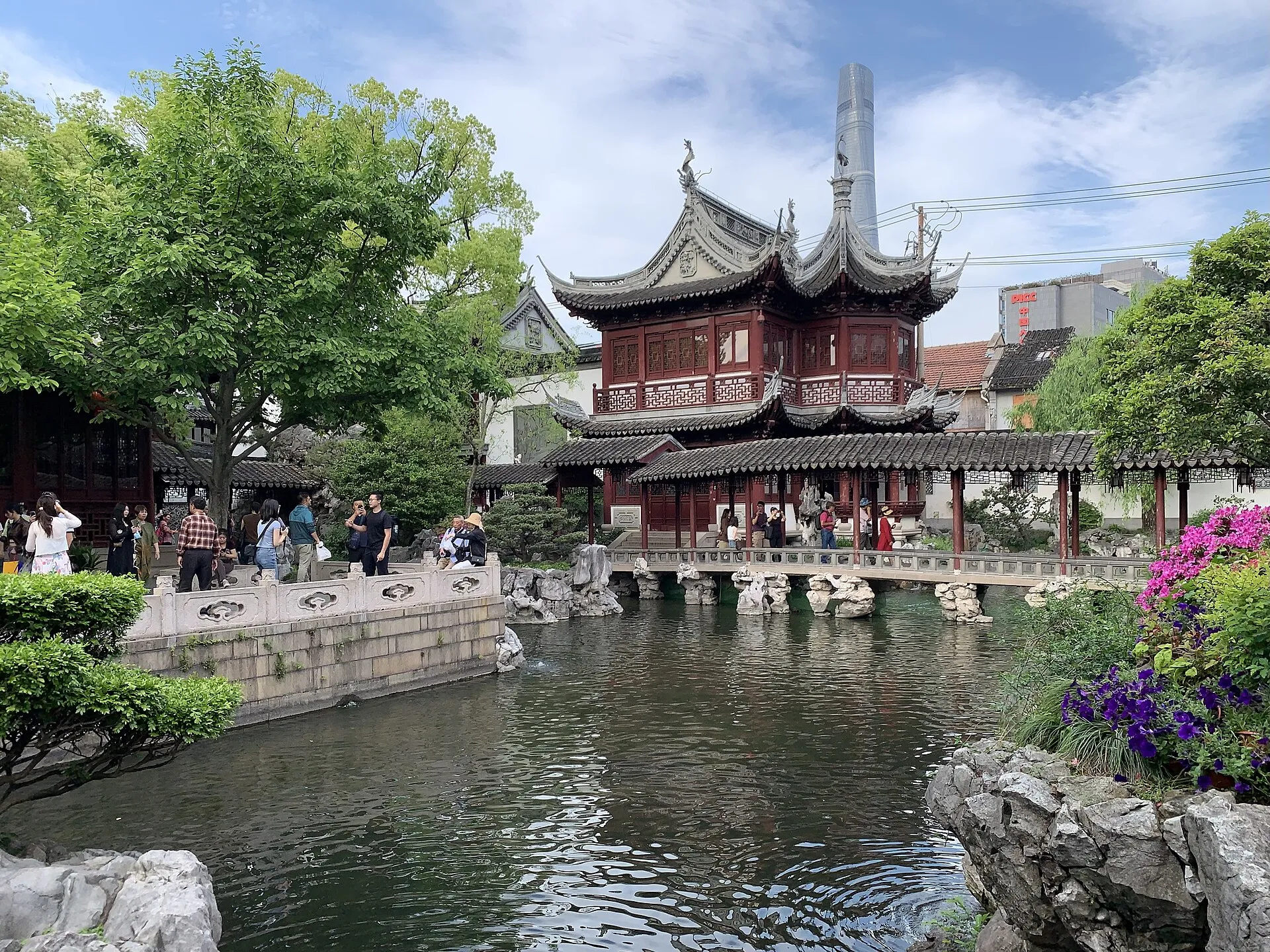
Photo: Chainwit. / Wikimedia Commons (CC BY 4.0) Classical garden courtyards beside Old Town retail lanes and tea-house energy. The garden is a timed indoor/outdoor visit; surrounding bazaar streets are a different tempo — tourist retail, snacks, and crowds. Pair lightly with Bund the same day only if you protect queue and leg time. Soft-link shopping notes for the tourist-retail layer.
Practical: check official site
Former French Concession lanesHuangpu
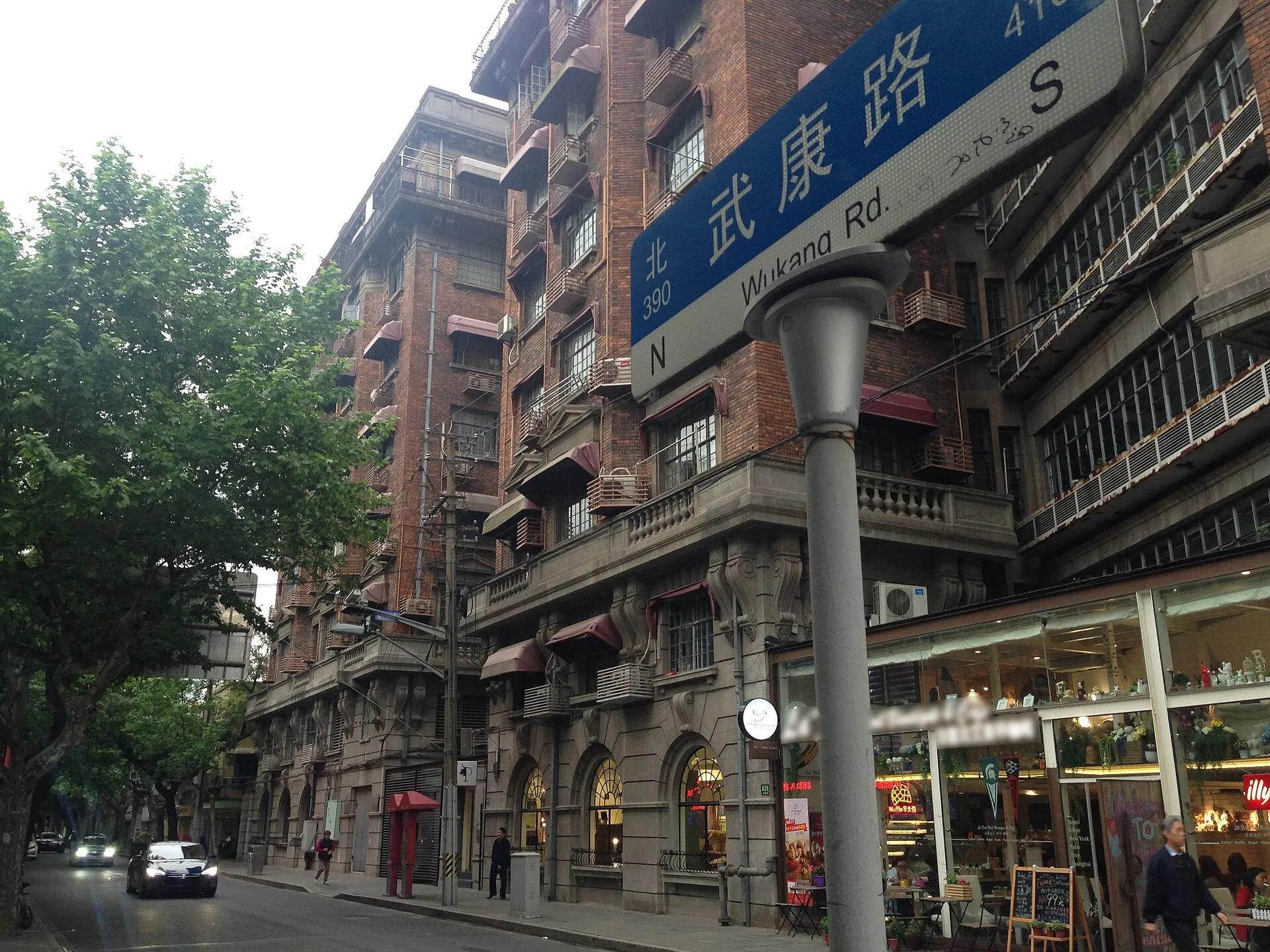
Photo: SSYoung / Wikimedia Commons (CC BY-SA 4.0) Plane-tree streets, villa fabric, and cafe corridors south and west of the Bund core — Wukang / Huaihai-side walks rather than a single ticketed gate. Good half-day for slow architecture and Haipai dinner later. Some blocks sit toward Xuhui; treat district labels as orientation, not hard borders. Soft-link shikumen when you want stone-gate lilong depth nearby.
Practical: check official site / public streets — shop and villa hours vary
Jing'an Temple areaJing'an
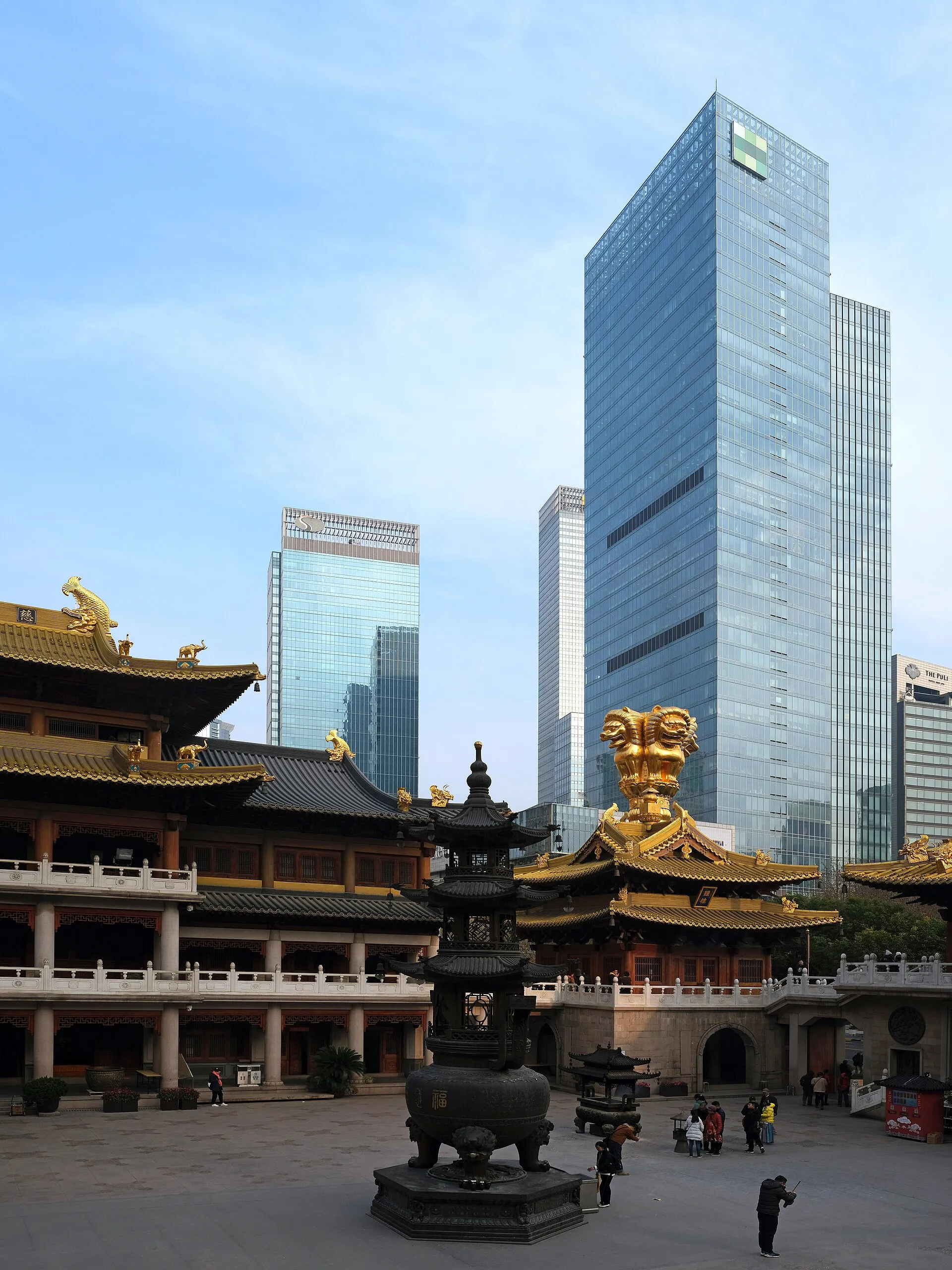
Photo: kallerna / Wikimedia Commons (CC BY-SA 4.0) Active temple set against Nanjing West Road malls and metro connectors — incense courtyards next to glass retail. Useful as a central pivot day: temple visit, then mall or lilong detour. Confirm temple ticket and dress expectations on the day; surrounding streets are free to walk.
Practical: check official site
Lujiazui skyline (Oriental Pearl)Pudong
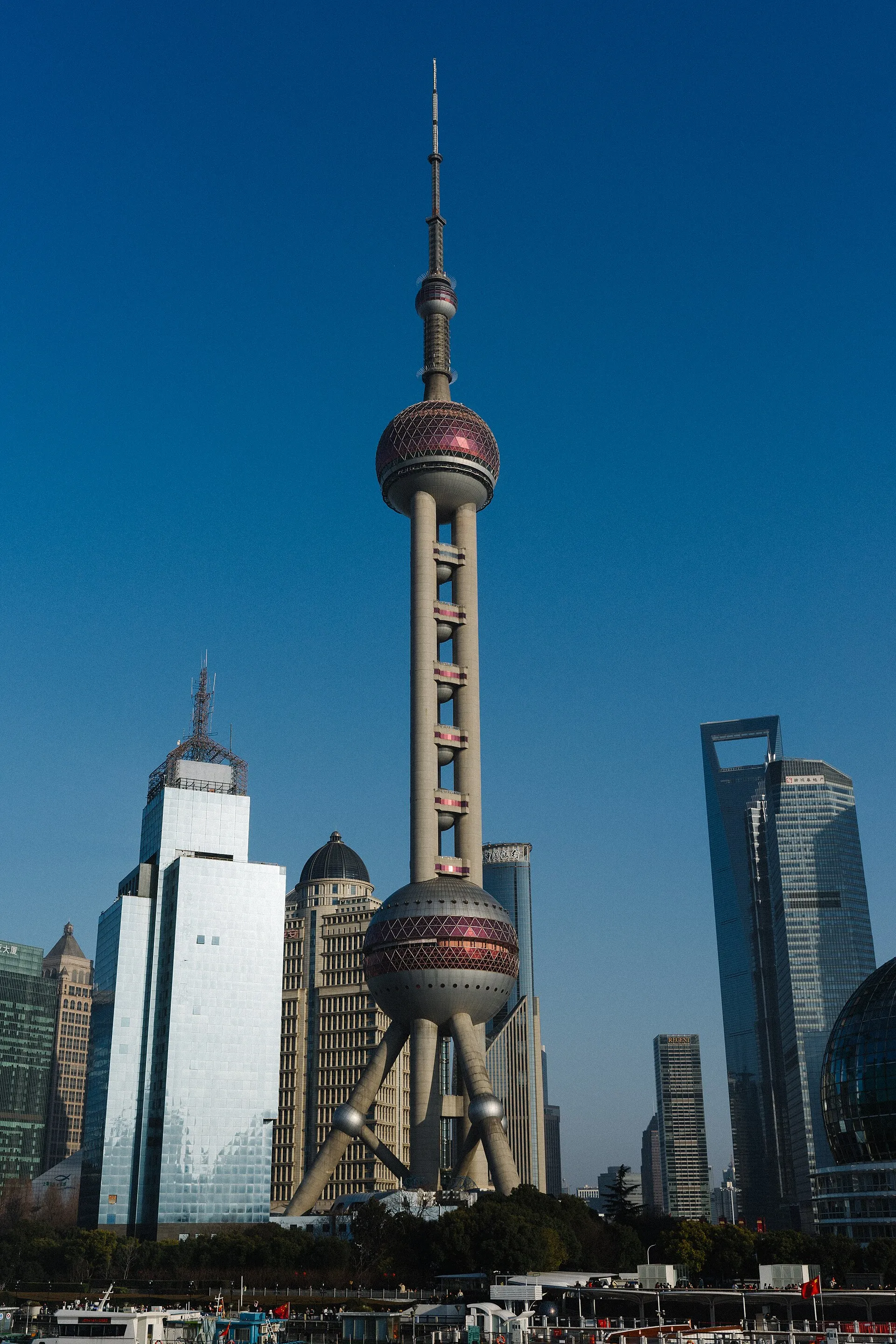
Photo: Lloyd Tudor / Wikimedia Commons (CC BY-SA 4.0) Primary observation-deck day on the east bank for this handbook — Oriental Pearl as the locked first-timer pin, with Shanghai Tower / SWFC as alternate decks covered in the Pudong spoke. Clear-weather mornings repay the elevator more than fog. Metro to Lujiazui; do not stack every tower ticket on a three-day plan. Soft-link the skyline article for deck comparison.
Practical: check official site
Shanghai MuseumHuangpu
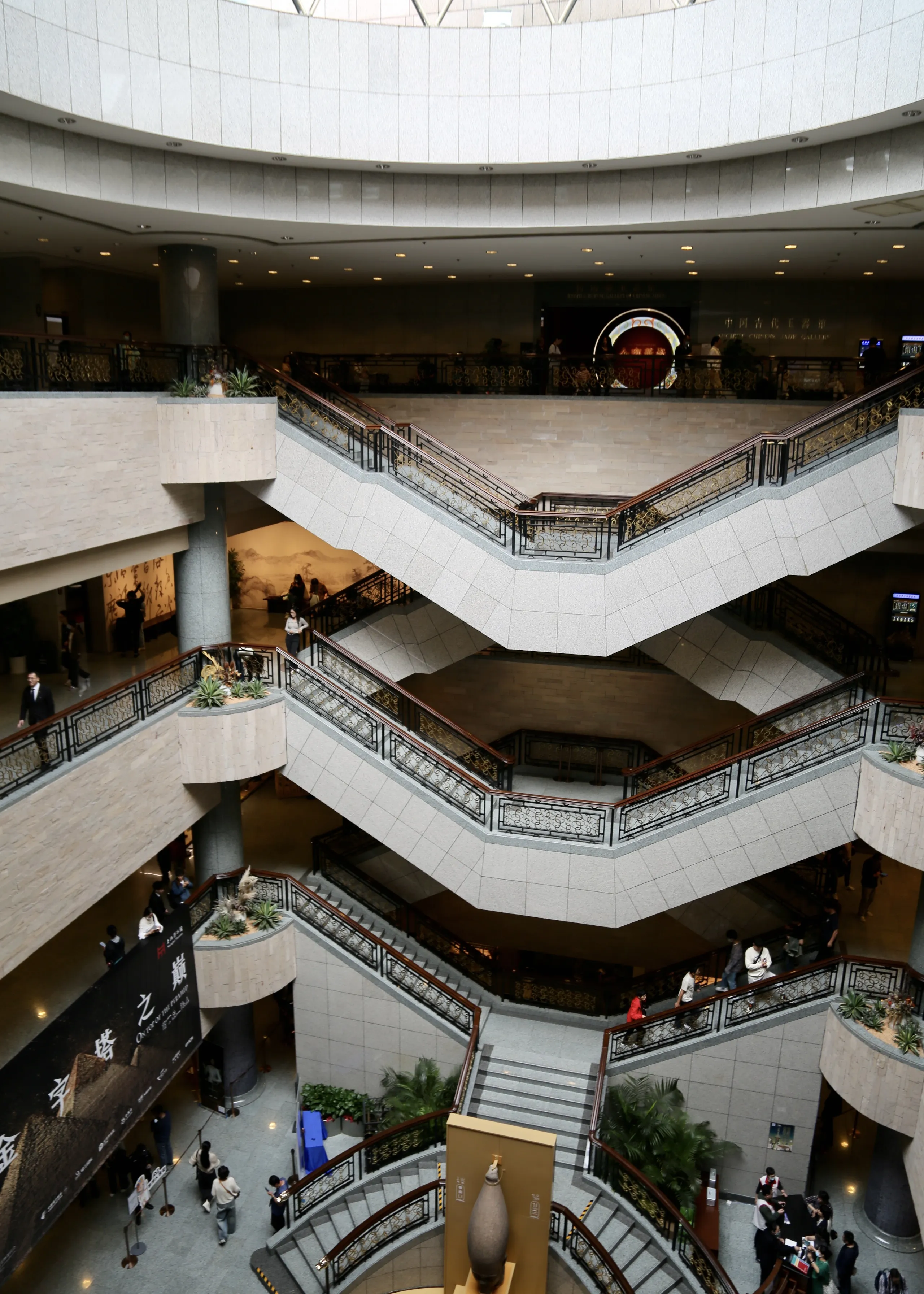
Photo: Alexey Yakovlev / Wikimedia Commons (CC0) Primary culture stop on People's Square — bronzes, ceramics, and painting halls rather than another deck view. Soft closure pattern on many mainland museums: plan around Mondays and booking rules. Metro to People's Square; use signed exits toward the museum plaza. Soft-link West Bund if you prefer contemporary art corridors instead.
Practical: check official site
ZhujiajiaoQingpu
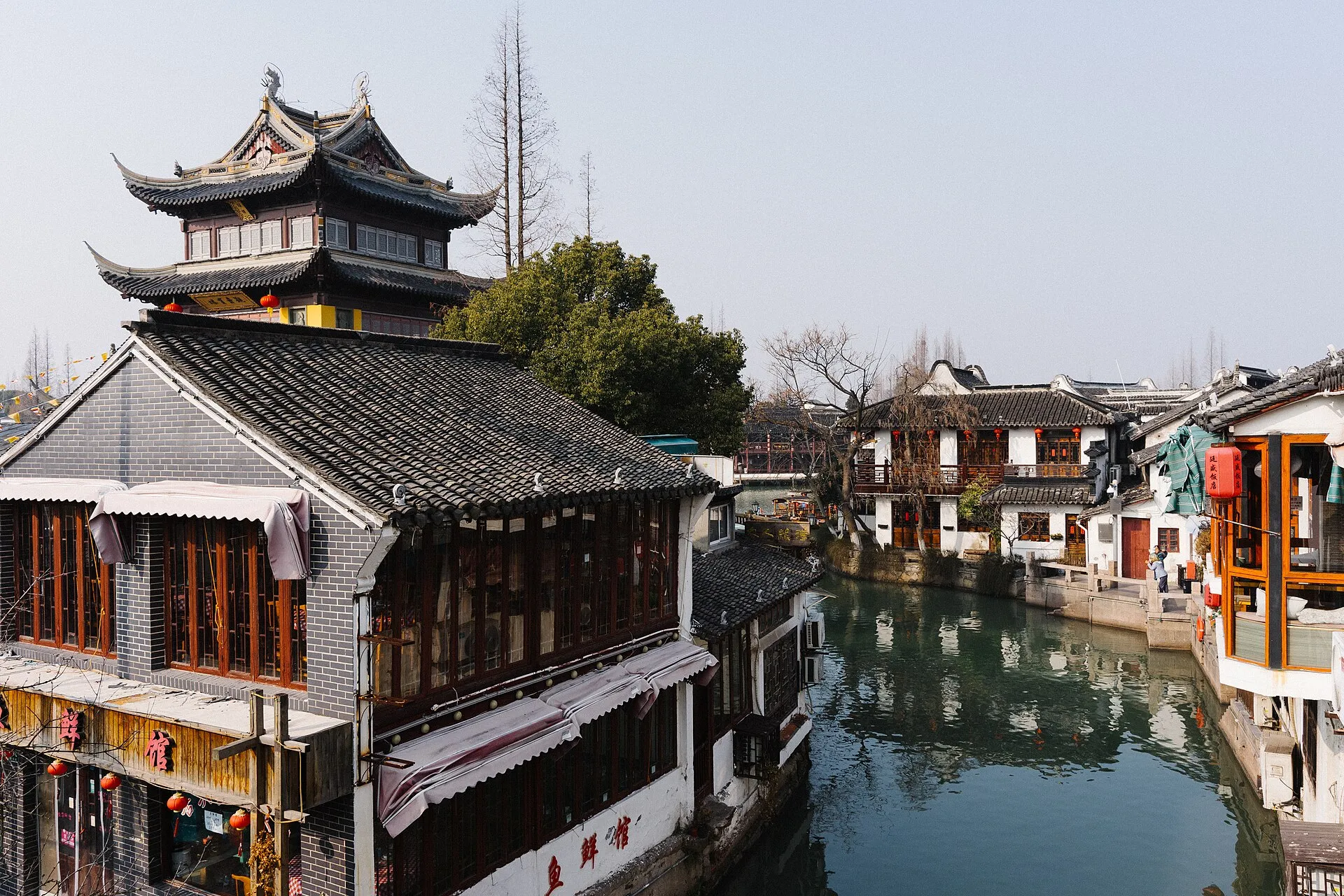
Photo: Lloyd Tudor / Wikimedia Commons (CC BY-SA 4.0) Optional another-day water town west of the core — stone bridges, canals, and tea by the water. Town streets are largely free to wander; indoor sites may need a combo ticket. Metro Line 17 toward Zhujiajiao; protect travel time as a half-day or full-day add-on, not a Bund lunch detour. Soft-link the water-town spoke for bridges and pacing.
Practical: check official site
Food
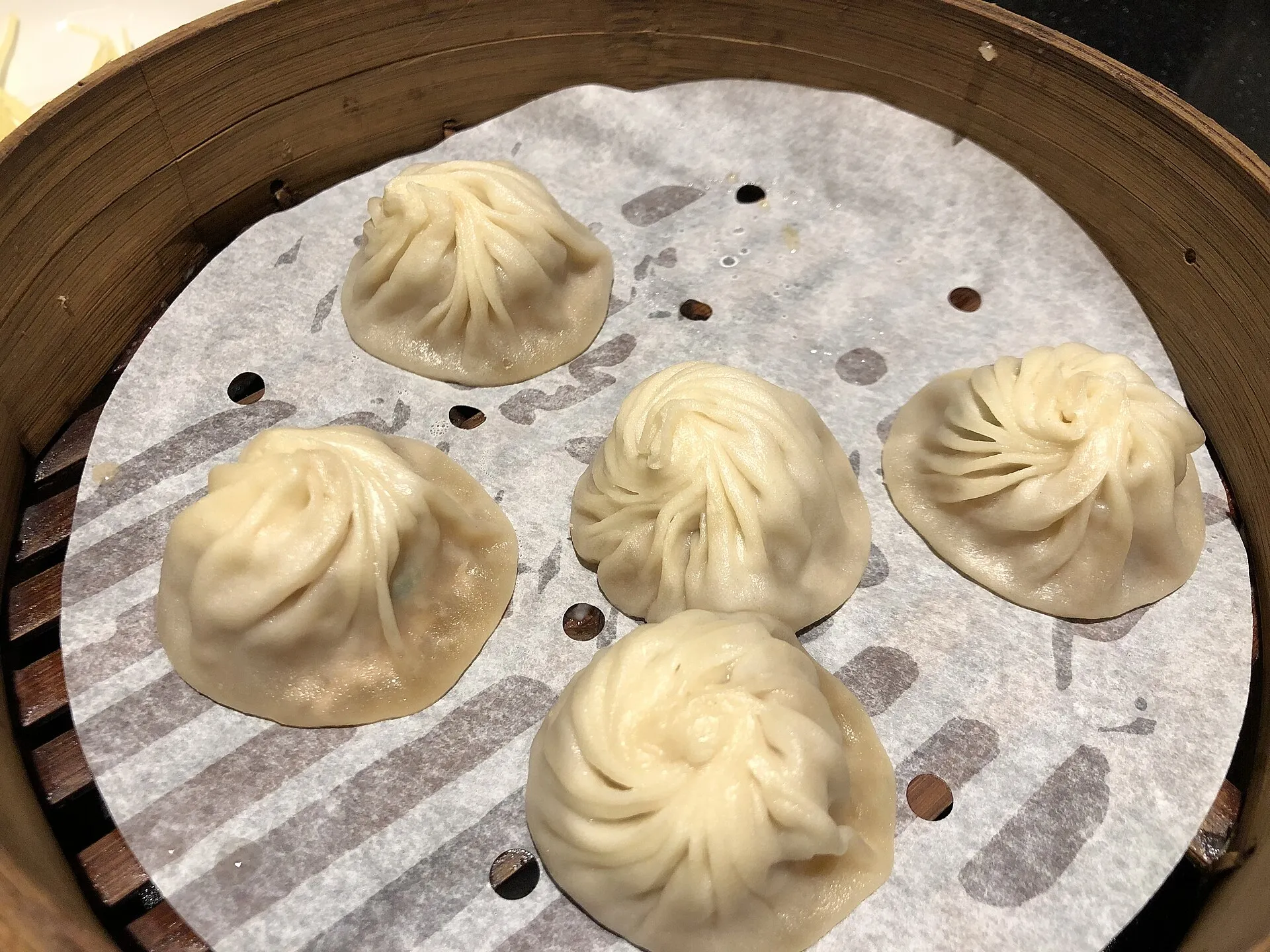
Shanghai eats along two handbook threads: soup-dumpling craft and Haipai (Shanghai-style) sweet-savory fusion. Xiaolongbao and shengjianbao are the street-and-shop language near People's Square, Huanghe Road, and older commercial grids — thin skins, hot broth, and pan-fried crunch. Soft-link the xiaolongbao spoke for how to bite and where the article anchors the walk; this section does not publish a restaurant ranking. Haipai cuisine is the century-old European-technique-meets-Jiangnan pantry story: red-braised pork, cold appetizers, and French Concession / Huaihai dinner rooms as much as street stalls. Soft-link the Haipai article when you want that kitchen decoded. Immigrant and regional kitchens (other provinces' hotpot, noodles, seafood) sit everywhere in a megacity — treat them as everyday options, not a separate tourist circuit. Practical neighbourhood cues: eat near People's Square / Nanjing Road when your day is Bund and museum; look toward French Concession / Huaihai when your day is villa lanes; treat Lujiazui meals as convenience around a skyline ticket, not the culinary headline. This handbook does not invent stall hours or price bands — confirm live branches on map apps and trust door notices.
Xiaolongbao and street snacks
Soup dumplings repay patience: cool slightly, bite a vent, drink broth, then finish. Shengjianbao bring a different crunch. Peak lunch windows are crowded — arrive earlier or later if you want a shorter wait. Soft-link the street-food spoke for area anchors rather than treating any shop name here as a booking quote.
Haipai tables
Haipai dinners suit a slower evening after French Concession walking. Expect sweet-savory sauces and shared plates. Soft-link the Haipai cuisine spoke; confirm reservations and hours on the day when a sit-down room matters.
Lodging bases
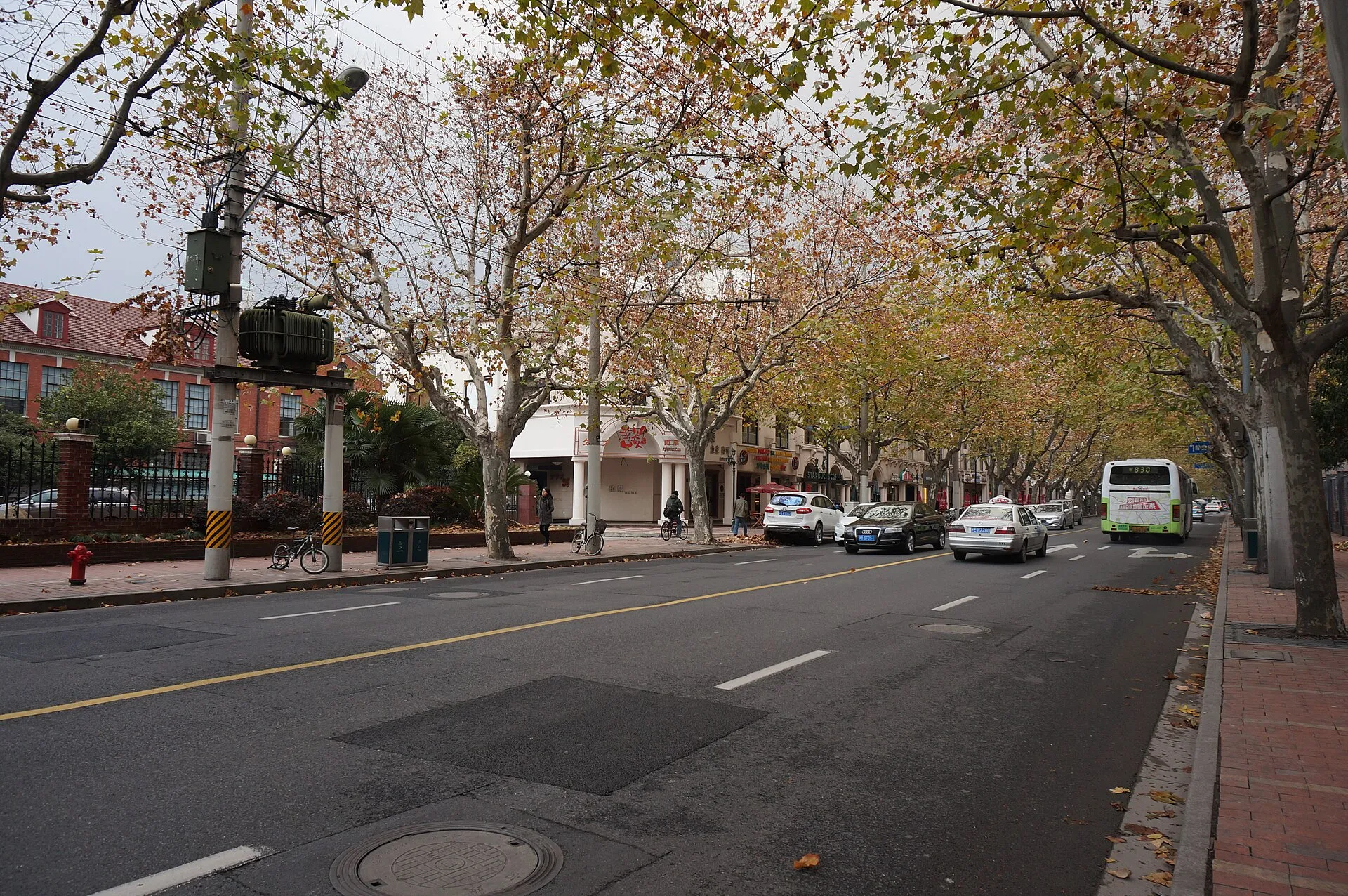
Stay by district, not by hotel brand. For first visits, base in Huangpu, Jing'an, or Pudong — those three cover Bund / Old Town walkability, central metro connectors, and Lujiazui / Disney-side east-bank days. China by Road does not publish a Shanghai hotel list or affiliate ranking. Pick a metro-adjacent address in one of the bases below and plan days outward.
Huangpu
Bund / Old Town / Yu Garden side — walkable classics. Best default when your trip skews riverfront promenades, People's Square museum, and Nanjing Road retail without long repositioning. Expect denser tourist foot traffic; metro links west toward Jing'an and east toward Lujiazui.
Jing'an
Metro hub / Nanjing West Road — central connectors. Best when you want temple-and-mall evenings, lilong detours, and easy line changes across the visitor belt. Slightly less Bund-doorstep than Huangpu; worth it if evenings on Nanjing West Road matter more than waking beside the river.
Pudong
Lujiazui skyline / Disney-side days — east of the river. Best when observation decks or a Disneyland day dominate the plan. River crossing or metro hops add time to Bund mornings — worth it if your nights are glass towers rather than Old Town lanes.
Shopping
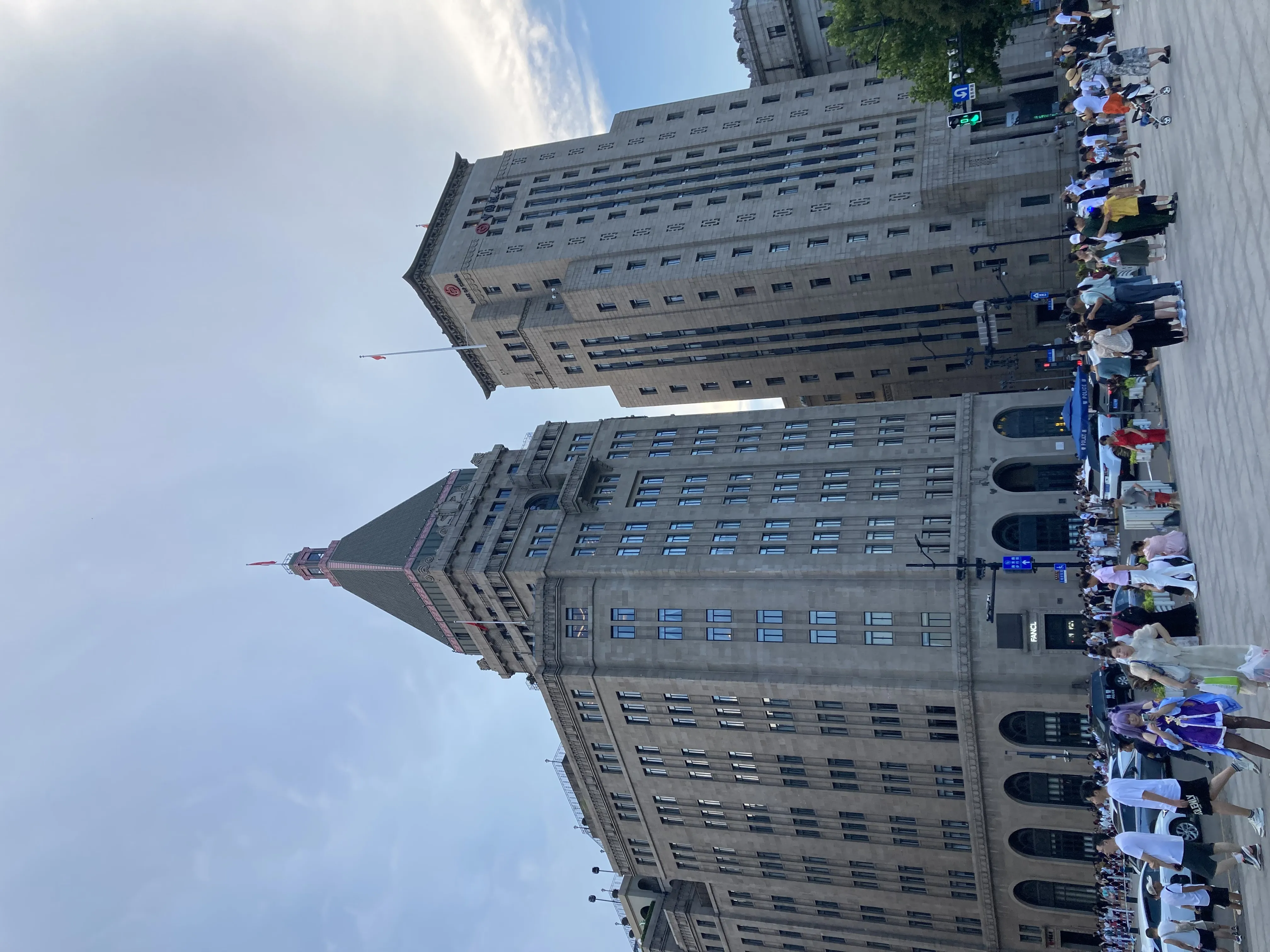
Nanjing Road is the pedestrian retail headline west from the Bund toward People's Square — flagship stores, souvenir floors, and evening crowds. Go to walk the grid even if you buy little; treat pushy sales tactics as a warning, not a bargain signal. Yu Garden's surrounding Old Town retail is tourist-facing: tea, snacks, crafts, and dense stalls. Fun for atmosphere; not a quiet design district. Soft-link food spokes if you are really there for soup dumplings rather than souvenirs. For a mall-level contrast, Nanjing West Road / Jing'an malls offer air-conditioned conventional retail beside the temple area — quieter than Old Town bazaar energy, useful on a rain day. This handbook orients only; it does not rank affiliates or invent tax-refund percentages. Confirm participating shops and departure refund points on official channels for your exit port.
3-day Shanghai skeleton
Bund and Old Town
Morning: Bund promenade and facade walk (soft light if you can). Midday: lunch near Nanjing Road / People's Square — xiaolongbao if that is your first Shanghai bite. Afternoon: Yu Garden / Old Town lanes; keep queues and bazaar crowds in the plan. Evening: return Bund neon or a simple Huangpu dinner. Soft-link Bund architecture and street-food spokes for depth.
French Concession and Jing'an
Morning: Former French Concession plane-tree streets and villa fabric — slow walking, not a ticket race. Afternoon: Jing'an Temple area and Nanjing West Road connectors; optional shikumen lilong detour. Evening: Haipai table if legs allow. Soft-link shikumen and Haipai spokes.
Pudong skyline and museum
Morning: Lujiazui — Oriental Pearl (or one alternate deck from the Pudong spoke); clear weather matters. Afternoon: Shanghai Museum at People's Square, or swap in West Bund art if contemporary corridors beat bronzes for you. Keep evening light for departure or a buffer stroll. Soft-link skyline, museum hours via official site, and the three-day MDX for long-form detail.
Deeper reading: Three-day itinerary (article)
5-day Shanghai skeleton
Arrive and Bund evening
Land via PVG or SHA; metro or Maglev into your base. Keep Day 1 light: payment and SIM checks if not done, short Nanjing Road or Bund orientation walk, early night. Do not stack Yu Garden tickets and a skyline deck on arrival day unless you landed early and rested.
Old Town and museum
Yu Garden / Old Town in one window; Shanghai Museum in another — protect Monday closures and booking rules. Same Huangpu spine as a compressed day, with more buffer for queues. Dinner in the soup-dumpling or simple local lane.
French Concession lanes
Full slow day on plane-tree streets, optional shikumen, Jing'an Temple pivot, Haipai evening. This is the fabric day — protect walking time and cafe pauses rather than forcing Pudong into the same daylight.
Pudong skyline day
Lujiazui observation deck morning; optional second east-bank walk or return west for shopping. Soft-link the Pudong skyline spoke for deck choice. Rain plan: mall-level Jing'an retail instead of a fogged deck.
Zhujiajiao or buffer
Choose one: Zhujiajiao water town as a Line 17 day trip, West Bund art half-day, or a true buffer for shopping returns, rain, or a Suzhou HSR add-on. Do not invent a fifth packed checklist — the buffer is the point of five days. Soft-link Zhujiajiao and the three-day MDX as needed.